US Treasury Yield Rise Pressures Indonesia Rupiah
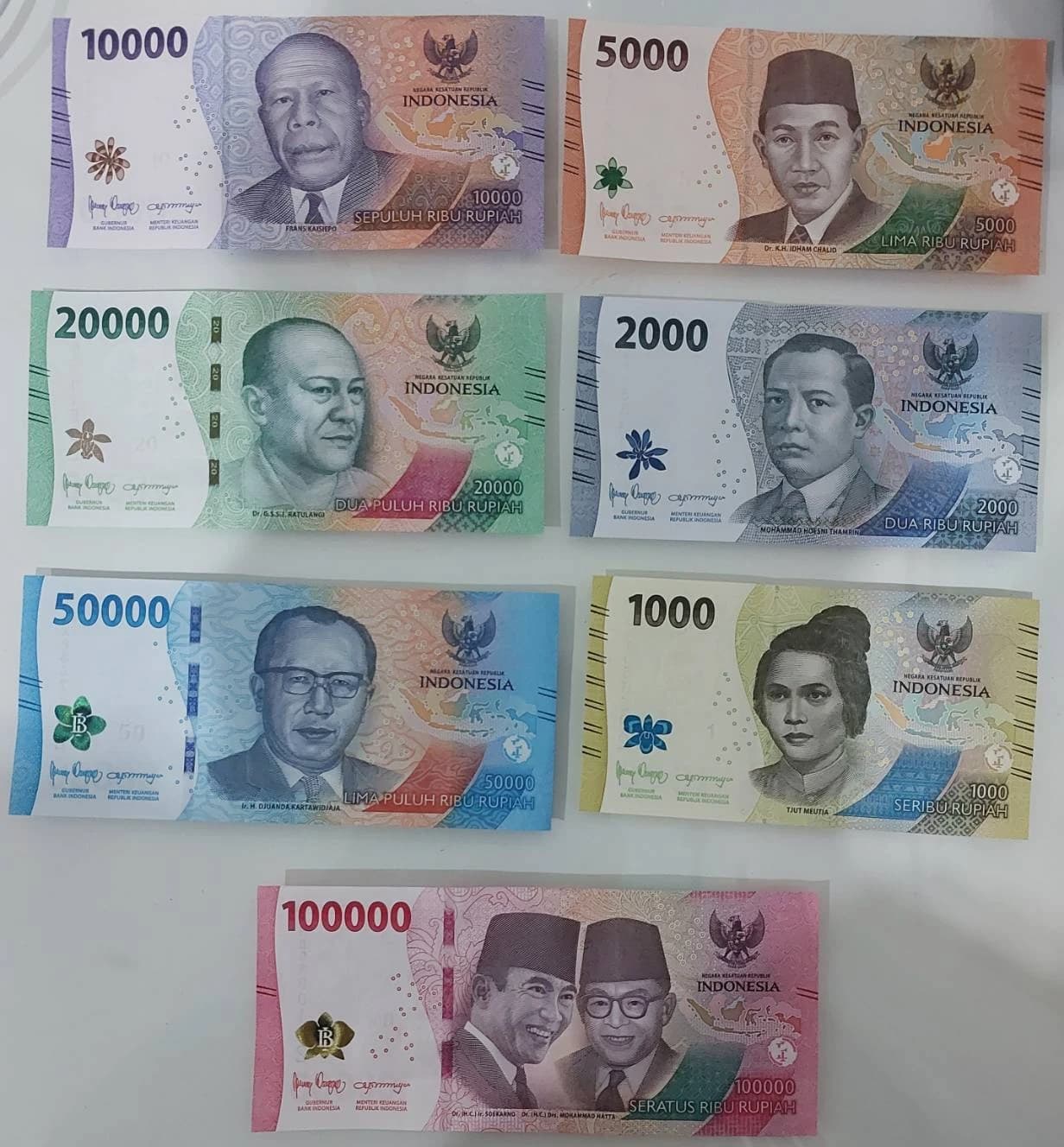
Investors’ exit from US Treasuries is lifting yields, supporting the dollar and tightening financial conditions for emerging markets, a mix that typically leaves Indonesia’s rupiah vulnerable.
The 10-year US Treasury yield has climbed to 4.95%, up from 4.8% on Sept. 8, while the two-year yield has risen to 4.56% from 4.39% over the same stretch. That move reflects a broader bond-market repricing around sticky inflation and the risk of further Federal Reserve tightening, and it matters for Indonesia because higher US yields tend to pull capital toward dollar assets and away from higher-risk currencies such as the rupiah.

The dollar is already showing the strain on emerging-market FX. Bloomberg-dollar proxy UUP rose to 28.07 on Sept. 11 from 27.98 two sessions earlier, holding above both its 50-day and 200-day moving averages. Technical readings remain constructive, with RSI at 59.1 and the MACD above its signal line, suggesting the greenback still has room to extend gains if Treasury selling resumes.
For Indonesia, the transmission channel is straightforward. When US real yields rise, hedged returns on Indonesian assets become less attractive, portfolio flows can slow, and local funding costs can edge higher. That often forces Bank Indonesia to lean more heavily on rate policy or FX intervention to preserve rupiah stability, especially if domestic inflation and the current-account position do not provide a strong buffer.
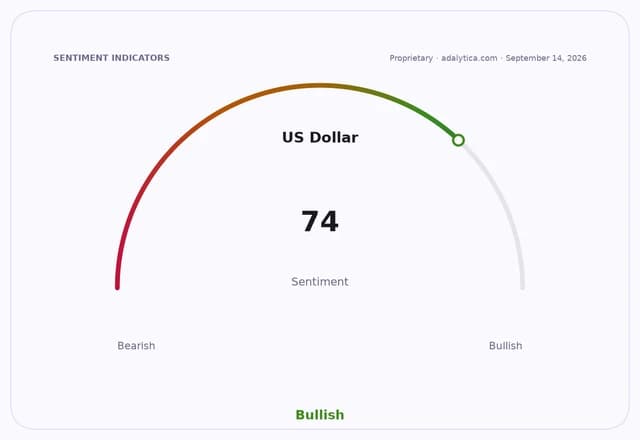
The near-term risk is that a further Treasury selloff, or another leg higher in oil-driven inflation expectations, could trigger a renewed dollar bid and deepen pressure on the rupiah. The counterargument is that if US inflation data cools and Treasury yields retreat, the dollar rally could fade quickly, giving emerging-market currencies room to recover.
Treasury market signals point to unsettled conditions rather than a clean turn. TLT, the iShares 20+ Year Treasury Bond ETF, has fallen to 91.01 from 91.90 on Sept. 9, while its RSI has dropped to 27.0, a level that suggests the bond rout has pushed the market into oversold territory. But oversold does not mean over: if yields stay near 5% on the 10-year, the rupiah is likely to remain under pressure even if the pace of dollar buying slows.
For investors, the key question is whether the Treasury selloff becomes a persistent global rate shock or a short-lived adjustment before US inflation data forces a reassessment. In the first case, Indonesian assets face weaker FX, tighter liquidity and potential foreign outflows. In the second, the rupiah may stabilize as US yields ease and the dollar gives back some of its recent gains.
| Entity | Gains | Losses |
|---|---|---|
| US Treasury bears | ▲Higher yields | ▼Bond prices |
| US dollar | ▲Safe-haven demand | ▼None in the near term |
| Indonesian exporters | ▲More rupiah value per dollar | ▼Imported input costs |
| Rupiah-linked assets | ▲None | ▼FX pressure, outflows |