U.S. makes visa bond program permanent for 50 countries
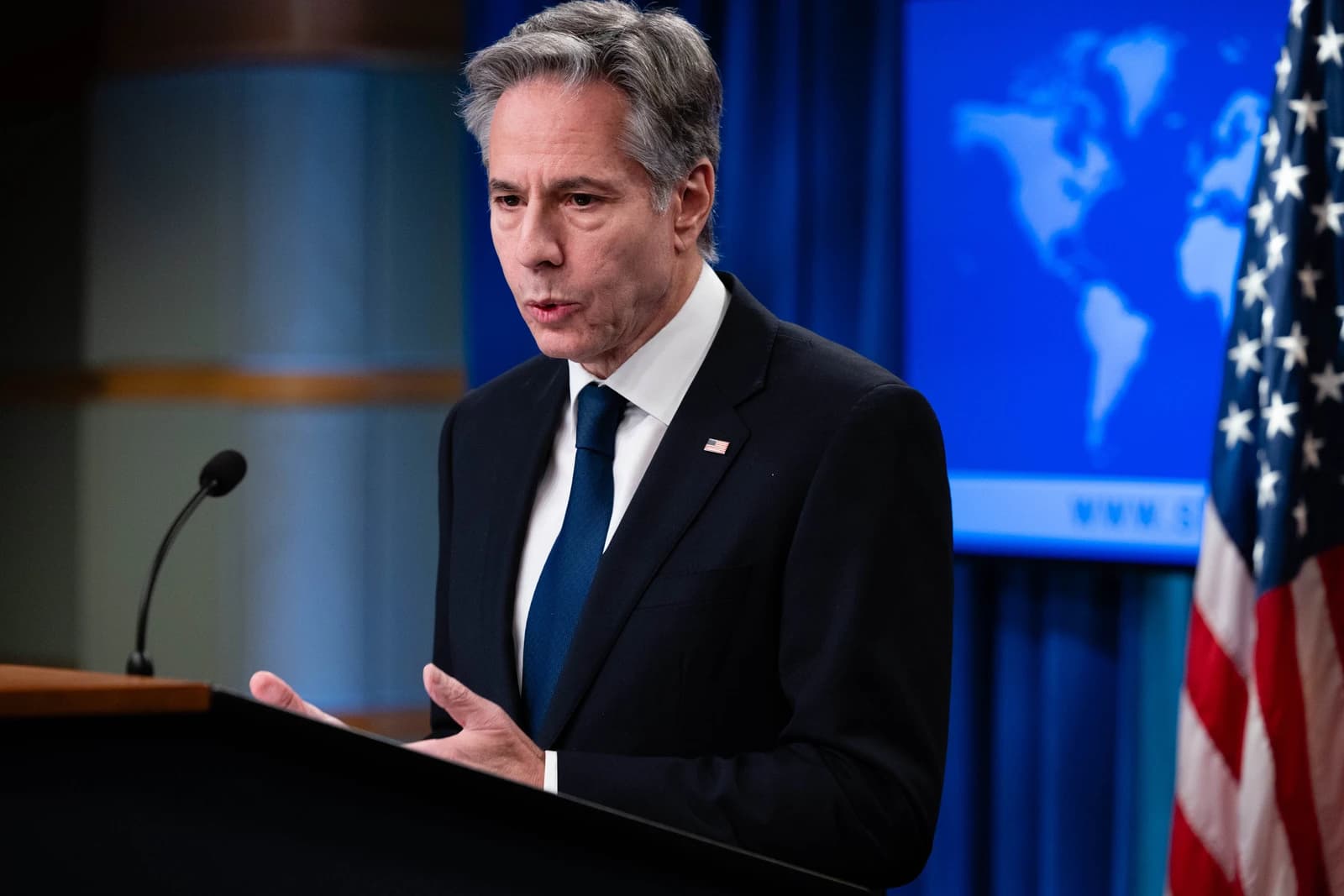
The United States has turned a temporary visa-bond program into a permanent gatekeeping tool for applicants from roughly 50 countries, mostly in Africa, a move that raises the cost and uncertainty of visiting the U.S. and underscores Washington’s harder line on immigration control.
The policy matters economically because it makes entry more expensive for travelers from some of the world’s lower-income economies, where a bond of up to $20,000 can be prohibitive. That can suppress tourism, business travel, student visits and family travel, while also discouraging visa applications altogether. For the U.S., the program is aimed at reducing overstays and enforcement costs, but it also risks deepening tensions with countries that view the measure as punitive and unevenly applied.
The State Department’s decision formalizes a system that was originally treated as a temporary test. Under the rule, applicants for certain visa categories from designated countries may have to post a refundable bond to secure a visa, with the money forfeited if they fail to comply with visa terms. The government has also warned foreign nationals that actions such as overstaying can trigger bond violations, making the financial penalty part of a broader compliance strategy.
For investors, the direct market impact is limited, but the implications are more relevant for airlines, hotels, remittance channels and U.S. consumer-facing travel services that rely on cross-border mobility. Airlines with exposure to Africa-U.S. routes could face softer demand at the margin if higher upfront costs deter travelers. Airport operators, travel booking platforms and international hospitality groups could also see a modest drag if the policy reduces inbound traffic from affected countries.
The broader narrative is one of a U.S. immigration system that is becoming more transactional and more selective, with financial barriers substituting for administrative discretion. That may appeal to policymakers focused on enforcement, but it also reflects a world in which mobility is increasingly shaped by sovereign risk assessments, not just demand. The key question for markets and policymakers is whether the rule remains a narrow compliance measure or becomes a template for wider restrictions that alter travel flows more materially.
| Entity | Gains | Losses |
|---|---|---|
| U.S. government | ▲Lower overstay risk | ▼Diplomatic friction |
| Affected visa applicants | ▲Refundable access if compliant | ▼Upfront bond cost |
| Airlines and travel firms | ▲Limited clarity from permanent rule | ▼Softer inbound demand |
| African economies | ▲None materially | ▼Reduced travel and business flow |