U.S. says it has weapons in orbit, China protests
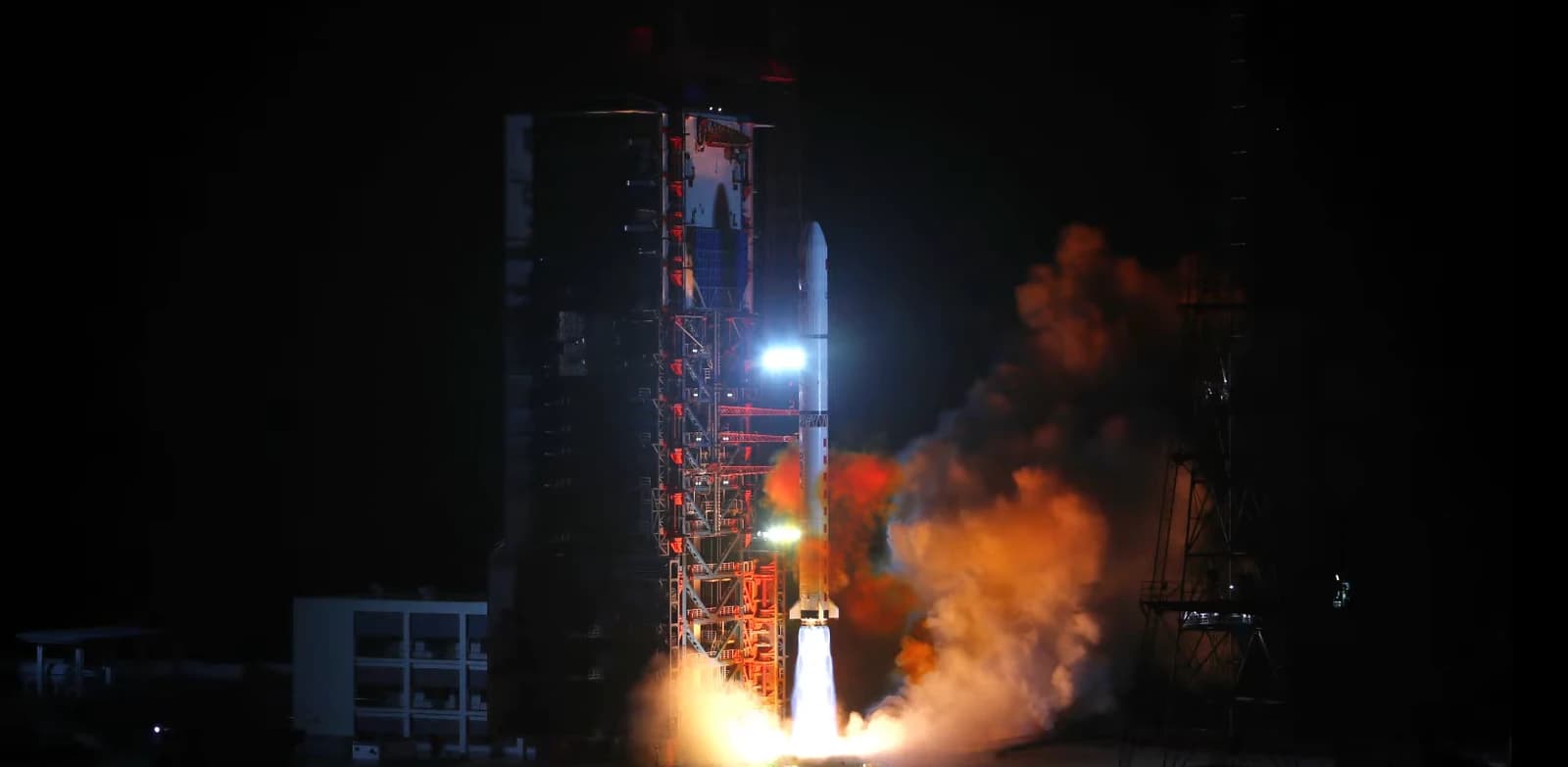
China urged Washington to halt its military build-up in outer space after the U.S. publicly acknowledged it has weapons deployed in orbit, a disclosure that intensifies the geopolitical contest over space and raises the risk of a broader arms race with Russia.
The warning matters because space is no longer just about satellites and communications infrastructure; it is becoming a contested military domain tied to reconnaissance, missile warning and command-and-control systems that underpin modern warfare. Any move toward orbital weapons raises the odds of escalation, miscalculation and retaliatory deployments, with consequences that extend well beyond the two superpowers involved.
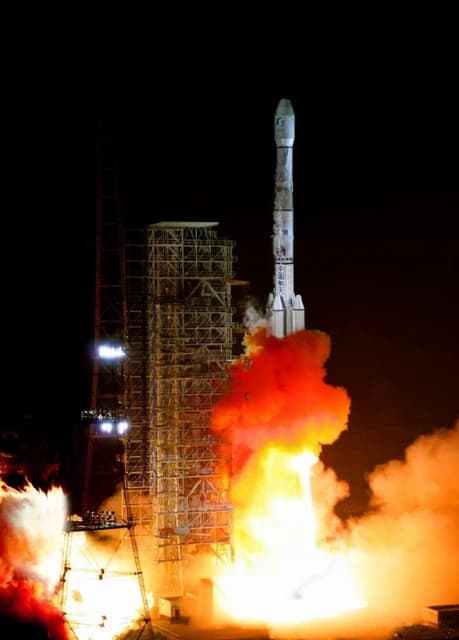
Chinese foreign ministry spokesperson Guo Jiakun said Beijing opposed the weaponisation of outer space and turning it into a war zone. He called on the U.S. to stop expanding its military build-up in orbit and “uphold global strategic stability with concrete actions.”
The issue sharpened after U.S. Secretary of the Air Force Troy Meink said the United States had “on-orbit space control weapons capable of defending the Joint Force against hostile adversary action,” the clearest public acknowledgment yet from a Pentagon official that American weapons are already in space. Meink did not identify the systems.
China’s state-backed Global Times said the disclosure exposed what it called Washington’s pursuit of “space hegemony” and warned it could fuel a global space arms race. Chinese military analyst Song Zhongping said the admission suggested a shift from protecting space assets with ground-based counter-space systems toward direct deployment of weapons in orbit.
That shift matters for investors because defense spending tied to space, missile defense and satellite resilience could gain urgency if major powers accelerate counter-space programs. The market impact is most relevant for contractors such as Lockheed Martin, Northrop Grumman and RTX, which already benefit from heightened global security spending and from demand linked to Western Pacific and other conflict-driven modernization programs.
The broader backdrop is a deteriorating security environment in the Western Pacific and elsewhere, where military planners increasingly treat space as critical infrastructure for both offense and defense. Chinese state media warned last week that U.S. orbital exercises risked creating a “security dilemma,” where one side’s effort to gain an edge prompts the other to build more counter-capabilities.
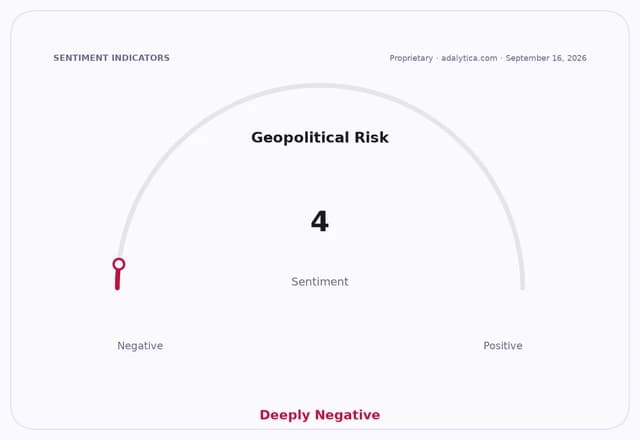
For investors, the immediate readthrough is not a direct earnings event but a longer-cycle defense and space modernization tailwind, alongside higher geopolitical risk premia across aerospace and defense names. The next catalyst is whether Washington or Beijing follows the rhetoric with new tests, deployments or procurement shifts that would deepen the orbital arms race.
| Entity | Gains | Losses |
|---|---|---|
| Lockheed Martin, Northrop Grumman, RTX | ▲More demand for space and missile defense | ▼Greater policy and execution scrutiny |
| China and Russia | ▲Narrative leverage on militarization concerns | ▼Need to respond to U.S. capabilities |
| U.S. defense planners | ▲Stronger orbital deterrence posture | ▼Higher escalation risk |
| Global markets | ▲Defense spending visibility | ▼Stability in space governance |