U.S. Yields Rise as Deglobalization Costs Grow
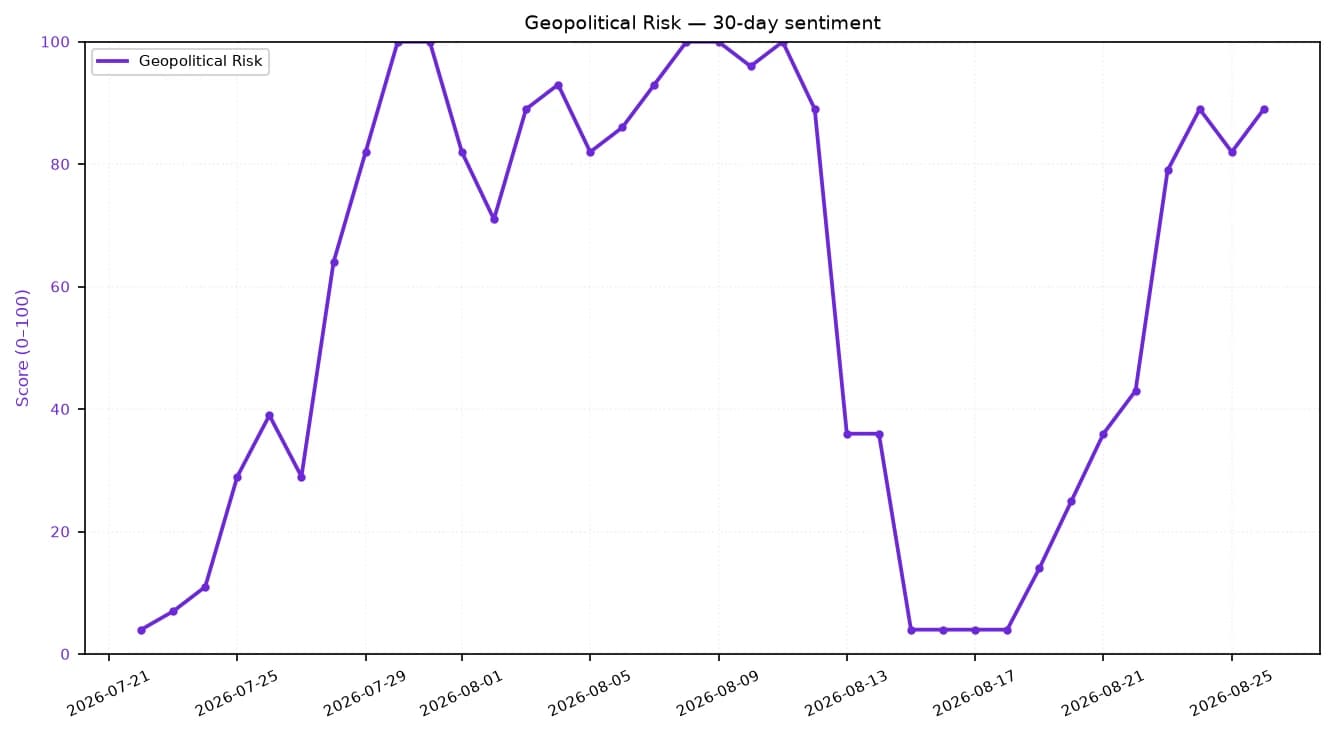
A growing backlash against trade integration and rising geopolitical friction is already feeding into higher U.S. borrowing costs, raising the risk that a more fragmented world economy will make capital more expensive and investment less productive.
The 10-year U.S. Treasury yield was near 4.7% on Tuesday and the two-year yield held around 4.24%, levels that underscore how much financing conditions have tightened compared with the ultra-low-rate era that followed the global financial crisis. The move comes as economists and Nobel laureates warn that deglobalization and geopolitical conflict are no longer abstract policy risks but a direct macroeconomic headwind, one that can lift inflation, disrupt supply chains and keep central banks from easing as quickly as markets would like.
That matters because the structure of the world economy is shifting from efficiency toward resilience. Companies that once optimized production across borders are now forced to pay more to diversify suppliers, hold extra inventory and rework logistics around export controls, tariffs and sanctions. Those frictions raise unit costs and reduce profit margins, while also making it harder for policymakers to engineer soft landings through cheaper credit. Fed and market expectations can quickly become misaligned when geopolitics adds a permanent premium to prices and yields.
The impact is visible across markets. The credit spread on high-yield debt has stayed near 2.7 percentage points, a sign that investors are not pricing acute stress but are still demanding compensation for slower growth and policy uncertainty. At the same time, the S&P 500 has pushed to record levels, showing that equity investors are willing to look through the macro noise for now. But the rally has not erased the underlying tension: higher long-dated yields mean a higher discount rate for future earnings, especially for duration-sensitive sectors such as technology and other capital-intensive growth stocks.
Gold’s latest surge also fits the same narrative. GLD was trading around $421.62 on Wednesday, well above both its 50-day and 200-day moving averages, with RSI readings still elevated. That suggests investors are using bullion as a hedge against a world where trade conflict, sanctions risk and policy fragmentation remain persistent rather than temporary. The dollar, by contrast, has been erratic, with Adalytica’s U.S. Dollar Trade Signals showing extreme fear even as awareness remains elevated, reflecting a market trying to balance safe-haven demand against concerns that trade stress could weaken global activity.
The corporate channel is just as important. Microsoft and FedEx have both flagged import controls, trade policy shifts and geopolitical instability as risks in recent filings, while Exxon Mobil pointed to supply disruptions and foreign-exchange effects. Those disclosures matter because they show the deglobalization story is already showing up in operating costs, route planning and investment decisions, not just in academic warnings. For investors, that means margins, capex and working-capital needs may remain under pressure even if headline growth holds up.
The bull case is that fragmentation creates winners: domestic producers, commodity hedges and companies with local supply chains can gain pricing power and political protection. The bear case is broader and more consequential: a less integrated global economy tends to mean slower trend growth, stickier inflation and structurally higher borrowing costs. If Nobel economists are right that geopolitics is now a lasting economic input, markets may need to price a world where the old assumption of cheap, frictionless globalization no longer holds.
| Entity | Gains | Losses |
|---|---|---|
| Gold investors | ▲Safe-haven demand | ▼None from fragmentation |
| Domestic producers | ▲Pricing power | ▼Import-dependent rivals |
| Borrowers | ▲Near-term access to capital | ▼Higher long-term yields |
| Global supply chains | ▲Local resilience investment | ▼Efficiency, margins |