USD/CAD rises on stronger dollar, softer housing
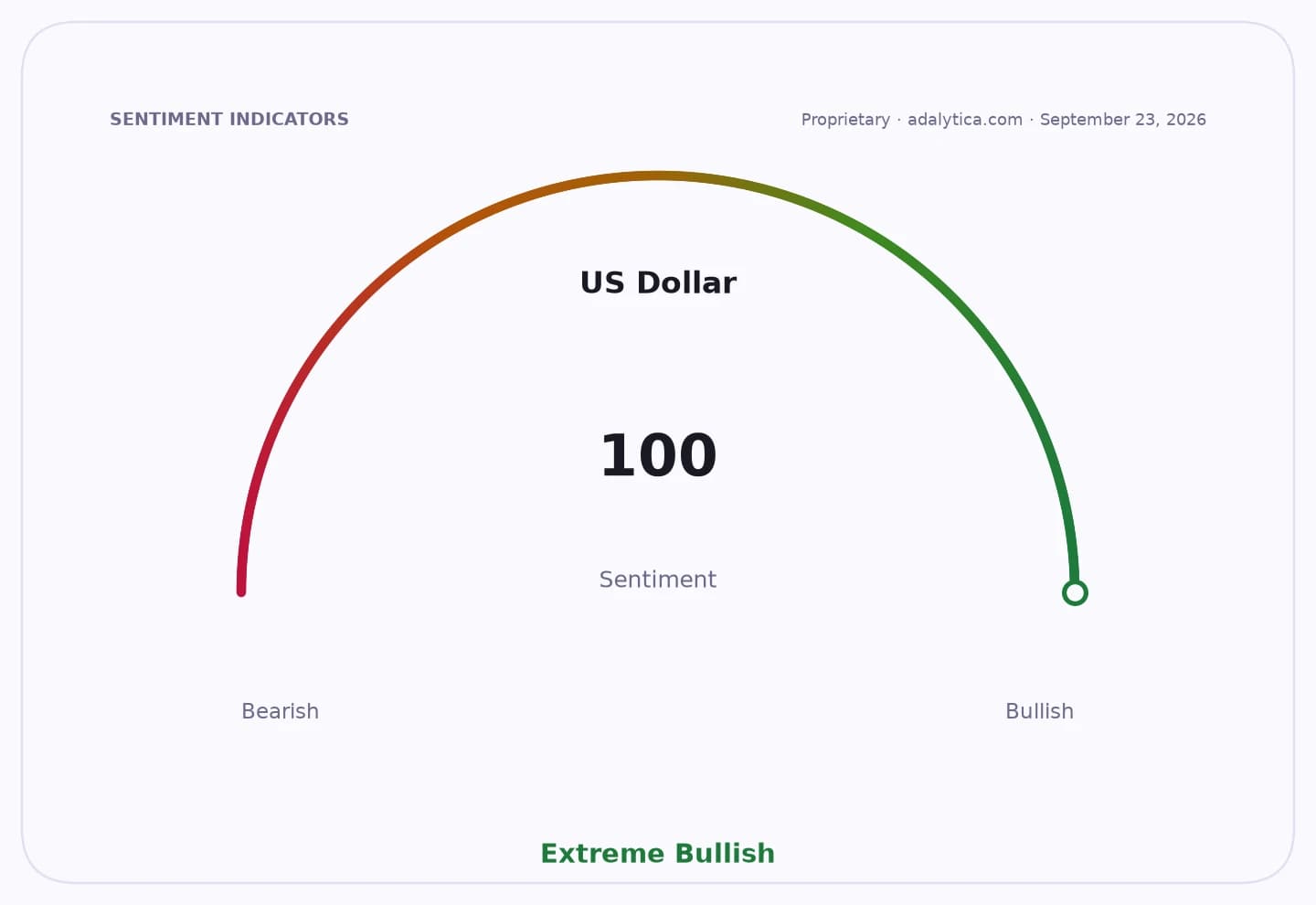
USD/CAD pushed higher for a third straight session on Tuesday, with a firmer U.S. dollar and weaker Canadian housing activity combining to keep the pair near the upper end of its recent range.
The move matters because it reflects a familiar but important cross-current for the loonie: U.S. yields and dollar demand are again overpowering support from Canada’s own fundamentals, while soft domestic housing data reinforces the case that the Bank of Canada has limited room to lean against currency weakness.
USD/CAD last traded around 1.40 in the latest pricing, after closing Friday at 1.3871 and extending a three-day advance. The pair is now pressing into Scotiabank’s first resistance area in the mid- to upper-1.38s, with the bank flagging firmer resistance in the low- to mid-1.39 zone. A sustained break above that area would challenge the view that dollar rallies are likely to attract sellers.
The immediate catalyst was broad U.S. dollar strength, aided by rising Treasury yields and expectations that the Federal Reserve will keep policy tight. Adalytica’s US Dollar Trade Signals snapshot showed the greenback in “Extreme Greed,” even as awareness remained in “Extreme Fear,” underscoring the market’s strong directional bias despite stretched positioning. The dollar index also firmed above 100, while U.S. 10-year yields moved toward 5%, levels that tend to support the currency and pressure rate-sensitive peers.
On the Canadian side, the softer tone in housing added another drag. Canadian home sales fell 0.7% in August as higher mortgage rates and elevated uncertainty weighed on activity, a reminder that tighter financial conditions are still working through the economy. That matters for investors because housing remains a key transmission channel for domestic demand, bank credit quality and consumer confidence. A weaker housing market also limits the odds of an immediate rebound in growth-sensitive Canadian assets.
The oil backdrop is offering only partial relief. Crude had supported the loonie earlier, but Scotiabank said the currency was softer as oil slumped from the previous day’s peak. That leaves Canada exposed to the same dynamic that has dominated much of the year: when oil eases, the currency loses one of its main buffers against a stronger dollar.
Still, the broader picture is not one-way. Scotiabank said front-end U.S.-Canada rate spreads have held relatively stable, which should anchor the loonie in the short run, and the bank kept a bearish longer-term view on USD/CAD. Its technical outlook is neutral near term, but medium- and long-term oscillator studies remain USD-bearish, suggesting dollar gains may still meet selling interest if the pair stalls in the 1.39 area.
That makes the next decisive move more about whether the dollar can sustain momentum than whether Canada can generate a new catalyst of its own. For a renewed USD/CAD decline, Scotiabank sees support at 1.3715-1.3735, then 1.3500-1.3550. But if the pair can hold above the low-1.39s, traders will have to reckon with the possibility that the market is beginning to price in a more durable dollar uptrend rather than a short-lived bounce.
For investors, the key issue is that a stronger U.S. currency and softer Canadian housing data both point in the same direction: tighter financial conditions for Canada, weaker earnings translation for exporters, and a less supportive backdrop for domestically focused assets unless oil or rate differentials turn back in the loonie’s favor.
| Entity | Gains | Losses |
|---|---|---|
| U.S. dollar | ▲Broader demand, yield support | ▼Higher risk of overbought pullback |
| Canadian dollar | ▲Short-term anchor from stable spreads | ▼Housing softness, weaker oil |
| Canadian exporters | ▲Better foreign revenue translation | ▼Importers face higher costs |
| Canadian banks | ▲Stable spreads, less rate shock | ▼Slower housing activity, credit drag |