USDA crop estimates, corn and soybean ETF gains
The USDA’s plan to make corn and soybean estimates more accurate is landing at a moment when traders are already grappling with tighter-looking U.S. supply signals, strong price action in crop ETFs and mixed production prospects abroad.
That matters because even small changes in the government’s crop outlook can move grain markets, alter hedge ratios and change cash bids for farmers, processors and exporters. Nebraska yields are expected to run below average, a reminder that U.S. production estimates can swing quickly as weather and crop conditions evolve.
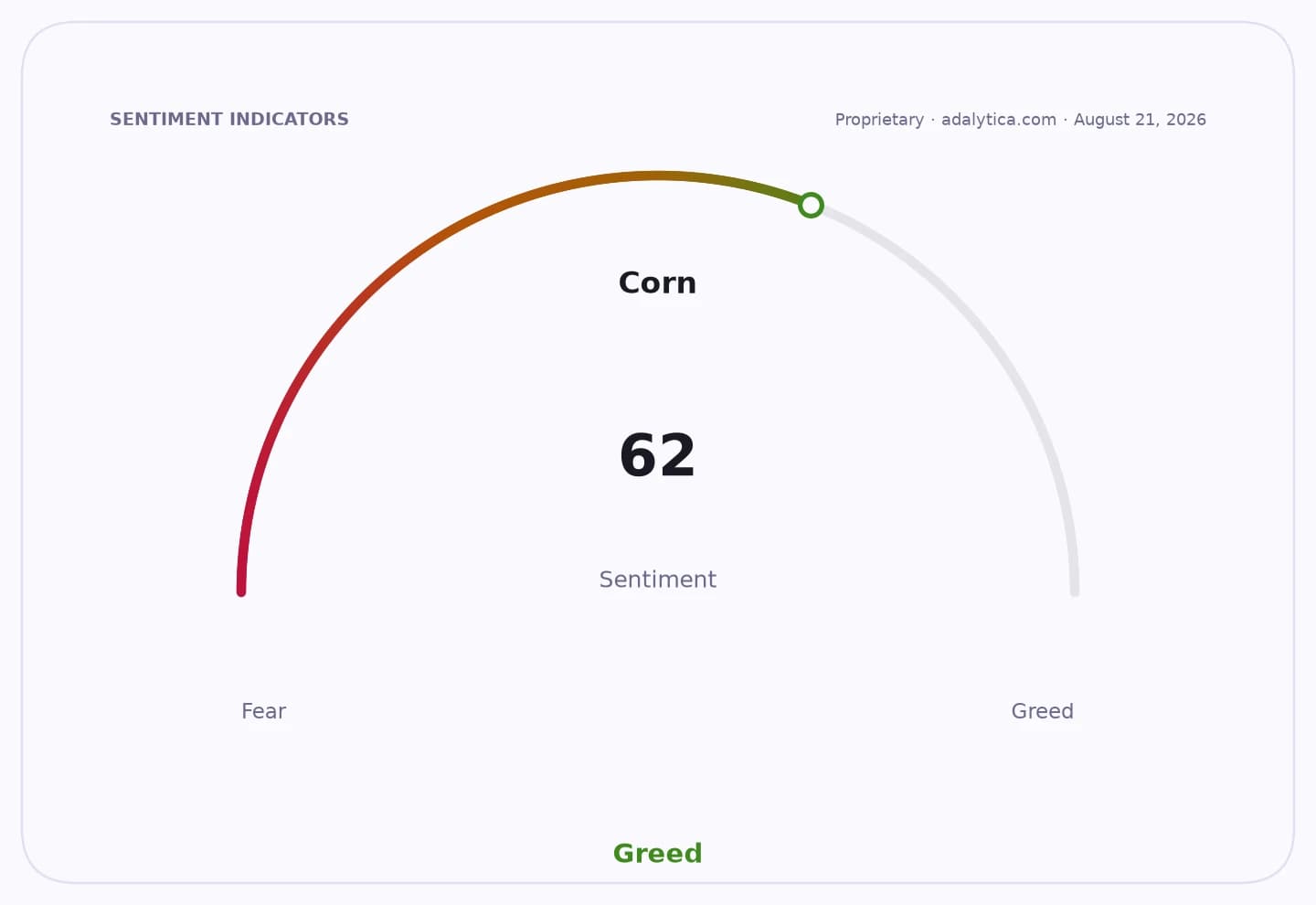
Corn and soybean prices have already been firming. The Teucrium Corn Fund, which tracks corn futures, closed at $19.01 on Aug. 21, up from $18.76 two sessions earlier and above its 50-day moving average of $17.59. The ETF’s RSI reading of 71.4 suggests the move has pushed into technically stretched territory, while trading volume of 696,803 shows active positioning.
The Teucrium Soybean Fund has been even stronger, finishing at $26.24 on Aug. 21 versus $26.16 on Aug. 19. It is holding above both its 50-day average of $25.13 and 200-day average of $24.01, with an RSI of 75 indicating overbought conditions by conventional technical measures.
The stakes are not limited to the U.S. If USDA estimates tighten, that could reinforce bullish pricing for end users that buy feed grain and oilseeds, while lifting margins for growers with unpriced inventory. If the agency’s revisions point to bigger crops than expected, the pressure would likely fall on futures, storage economics and soybean-crush assumptions.
The policy backdrop also matters because other producers are trying to expand output. Uruguay is backing irrigation to raise corn and soybean production, while Brazil continues to benefit from favorable weather and pricing conditions for soybeans. Those gains can soften global supply stress, but they do not erase the importance of U.S. yield data, which still anchors world price discovery.
The next catalyst is the USDA’s upcoming estimate work and any fresh crop-condition updates, which will tell traders whether the recent rally in corn and soybeans reflects improving fundamentals or a market that has already priced in too much scarcity.
| Entity | Gains | Losses |
|---|---|---|
| Corn and soybean farmers | ▲Higher cash prices | ▼If estimates rise, lower futures |
| Grain buyers and feeders | ▲More certainty from better data | ▼Higher input costs from tighter supply |
| USDA and market watchers | ▲More credible supply outlook | ▼Greater scrutiny if revisions miss |
| Long futures/ETF holders | ▲Price momentum if yields fall | ▼Pullback risk if supply improves |