USDT Leads Stablecoin Market as Adoption Grows
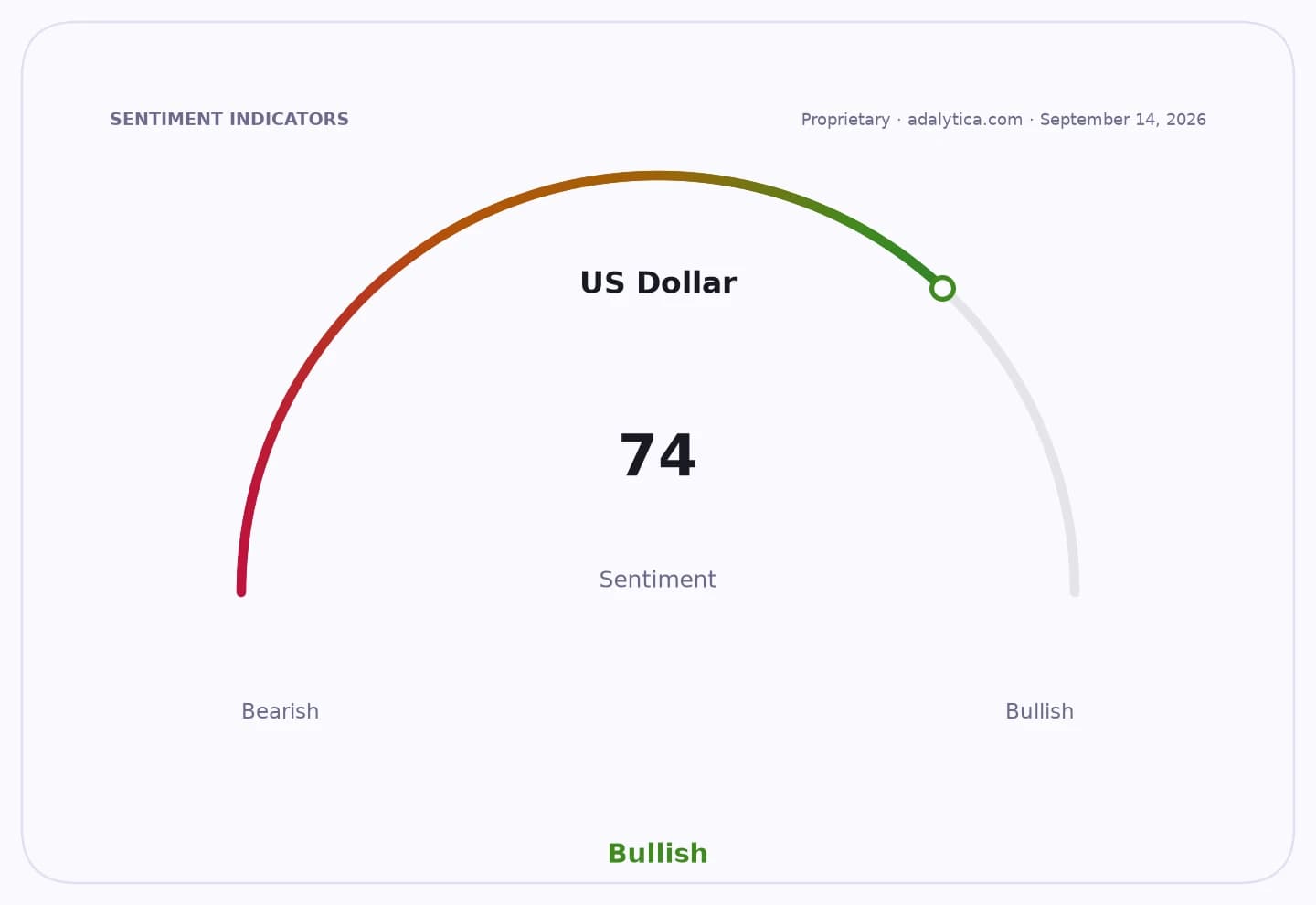
USDT remains the biggest stablecoin in crypto, and that matters because the market’s favorite digital dollar still sets the pace for liquidity, trading activity and, increasingly, the way institutions think about moving cash on-chain.
Tether’s USDT has long been the benchmark for the sector, and the latest market picture reinforces that lead at a moment when stablecoins are becoming more embedded in mainstream finance. Uniswap’s new StablePair Hook is designed to make stablecoin trading more efficient for liquidity providers, while Northern Trust Asset Management is building a stablecoin cash reserves portfolio and firms such as Coinbase and U.S. Bancorp are widening stablecoin payment capabilities. The common thread is simple: stablecoins are moving from a crypto trading tool to a payments and cash-management rail.
That shift matters economically because stablecoins bridge traditional money and blockchain networks. They are used to park capital, settle trades and move funds quickly without the friction of bank wires. A larger, more trusted stablecoin market can improve liquidity across crypto markets and reduce transaction costs for users. It can also attract more institutional participation if reserve management, payments and trading infrastructure continue to mature.
For investors, USDT’s staying power is a reminder that network effects still matter in crypto. The biggest stablecoin tends to benefit most when trading volumes rise and when new products are built around stablecoin rails. That does not make the sector risk-free. Stablecoins still depend on confidence in reserves, regulation and counterparties, and competition from USDC and other issuers remains intense. But the long-term thesis is getting clearer: whoever controls the most widely used digital dollar infrastructure has an advantage in the next phase of crypto adoption.
Adalytica’s trade-signal data underscores how unsettled sentiment can be around USDT even as it stays on top, with the token showing extreme fear readings and a steep 7-day decline in the snapshot. By contrast, the U.S. dollar shows stronger sentiment, reflecting how investors still lean on traditional cash when markets turn cautious. That tension is exactly why the stablecoin story matters: crypto dollars may be growing up, but investors are still deciding how much trust to place in them.
For long-term investors, the takeaway is less about chasing the latest token and more about watching the infrastructure race. Stablecoins are becoming a core part of crypto, payments and treasury management, and USDT’s lead suggests the category is still deepening rather than fading. That makes the biggest names and the platforms building around them worth keeping on the watchlist.
| Entity | Gains | Losses |
|---|---|---|
| USDT | ▲Liquidity leadership | ▼Smaller stablecoins |
| Uniswap | ▲More trading volume | ▼Manual market-making |
| Institutional adopters | ▲Faster cash movement | ▼Legacy payment rails |
| U.S. dollar | ▲Safer reserve demand | ▼On-chain payment share |