USDT’s role as a bridge into naira spending underscores how Nigeria’s retail foreign-exchange market has become tied to dollar-linked crypto rails, even as both the token and the U.S. dollar are flashing caution signals in sentiment gauges.
USDT Fuels Nigeria’s Shadow FX Rail
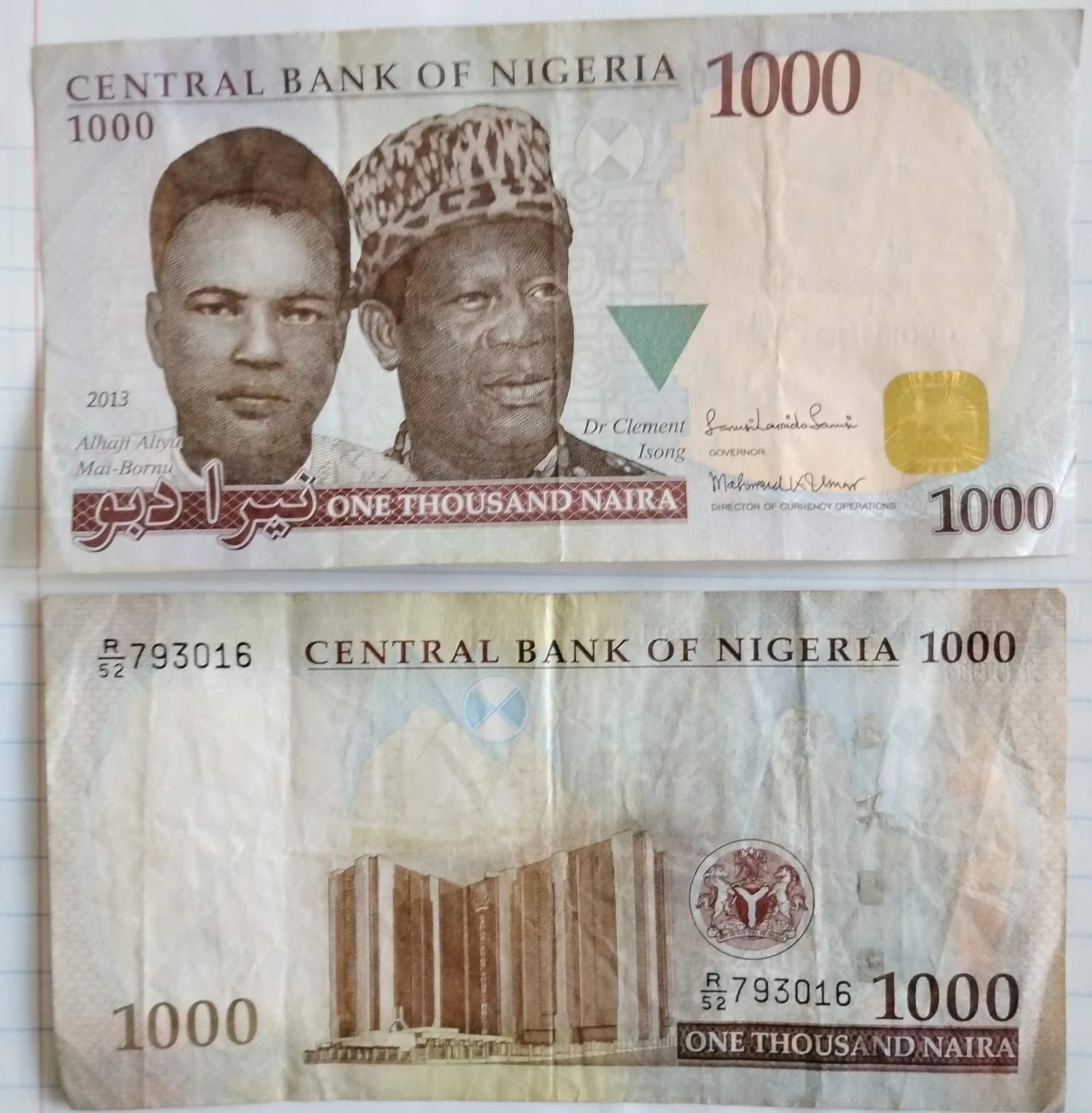
For Nigerians holding Tether, the conversion step is no longer a niche trader’s move but a daily financial function: cashing out USDT into naira remains one of the most repeated transactions in the market, reflecting persistent demand for a dollar proxy in an economy where hard currency is scarce, the naira is volatile and formal banking channels often fail to meet household and business needs.
Sentiment IndicatorsⓘProprietary · adalytica.com · July 14, 2026
This is a snapshot — live sentiment, awareness and momentum for 130+ markets update continuously in the dashboard.Open AlphaPulse
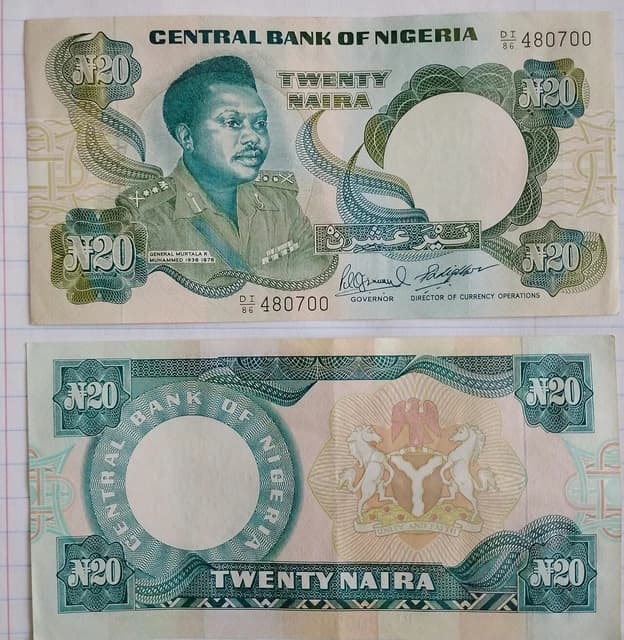
That matters economically because every USDT-to-naira sale is, in effect, a micro foreign-exchange trade. It channels remittances, freelance earnings, merchant settlements and savings into local spending power, while also serving as an informal hedge against local-currency depreciation. In a market like Nigeria, where the spread between official and parallel rates can shape behavior more than policy statements do, stablecoins have become part payment rail, part store of value and part escape valve.
The price data reinforce that Tether is functioning as intended: USDT has held flat at $1 across the period shown, with the 50-day and 200-day moving averages also anchored at parity and RSI readings bouncing between overbought and oversold territory without any break in the peg. That stability is the point. For users in Nigeria, the conversion risk is not USDT itself but the local exchange rate, liquidity, and fees charged by counterparties converting into naira.
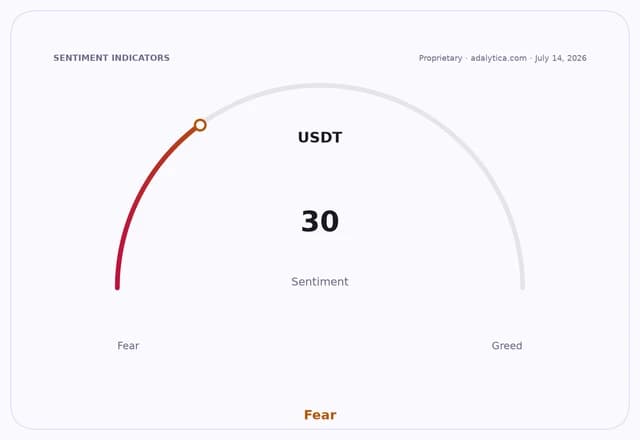
Adalytica’s USDT Trade Signals add another layer. Sentiment on USDT has fallen to 30, or “Fear,” with awareness at 19 and both down sharply over the past month. The U.S. dollar gauge is even weaker, at 18 sentiment and 15 awareness, both in “Fear” or “Extreme Fear” territory. The read-through is not that Tether is under threat; it is that participants are increasingly alert to the macro conditions that make dollar-denominated assets valuable in the first place. For Nigerian users, that means conversion activity is likely to stay elevated whenever naira confidence weakens or access to cash tightens.
The broader market implication is that stablecoins are now embedded in the country’s shadow FX infrastructure. That creates winners and losers. Consumers and small firms gain speed and access, particularly those paid in crypto or cross-border digital income. Traditional banks and regulated FX intermediaries lose volume, while policymakers lose some control over capital flows and the transmission of monetary policy. The more frictionless USDT-to-naira conversion becomes, the more it competes with official channels rather than complements them.
The bull case for this trend is straightforward: stablecoins improve efficiency, lower settlement delays and give Nigerians a practical hedge in a fragile currency environment. The bear case is that heavy reliance on informal conversion rails can widen oversight gaps, encourage speculative hoarding and leave users exposed to fraud, liquidity shocks or abrupt rule changes.
For investors and operators, the key question is not whether Nigerians will keep converting USDT to naira, but how the market gets organized around that demand. Any tightening of crypto rules, FX controls or on-ramp/off-ramp compliance could reshape spreads, volumes and counterparty risk quickly. For now, the pattern is clear: in Nigeria, the dollar peg is doing more than stabilizing a token — it is underwriting day-to-day economic activity.
| Entity | Gains | Losses |
|---|---|---|
| Nigerian consumers and freelancers | ▲Faster dollar access | ▼FX friction and fees |
| Stablecoin platforms and P2P brokers | ▲Higher conversion volumes | ▼Regulatory scrutiny |
| Traditional banks and FX dealers | ▲None materially | ▼Lost transaction share |
| Naira holders without dollar access | ▲Limited benefit | ▼Ongoing purchasing-power pressure |