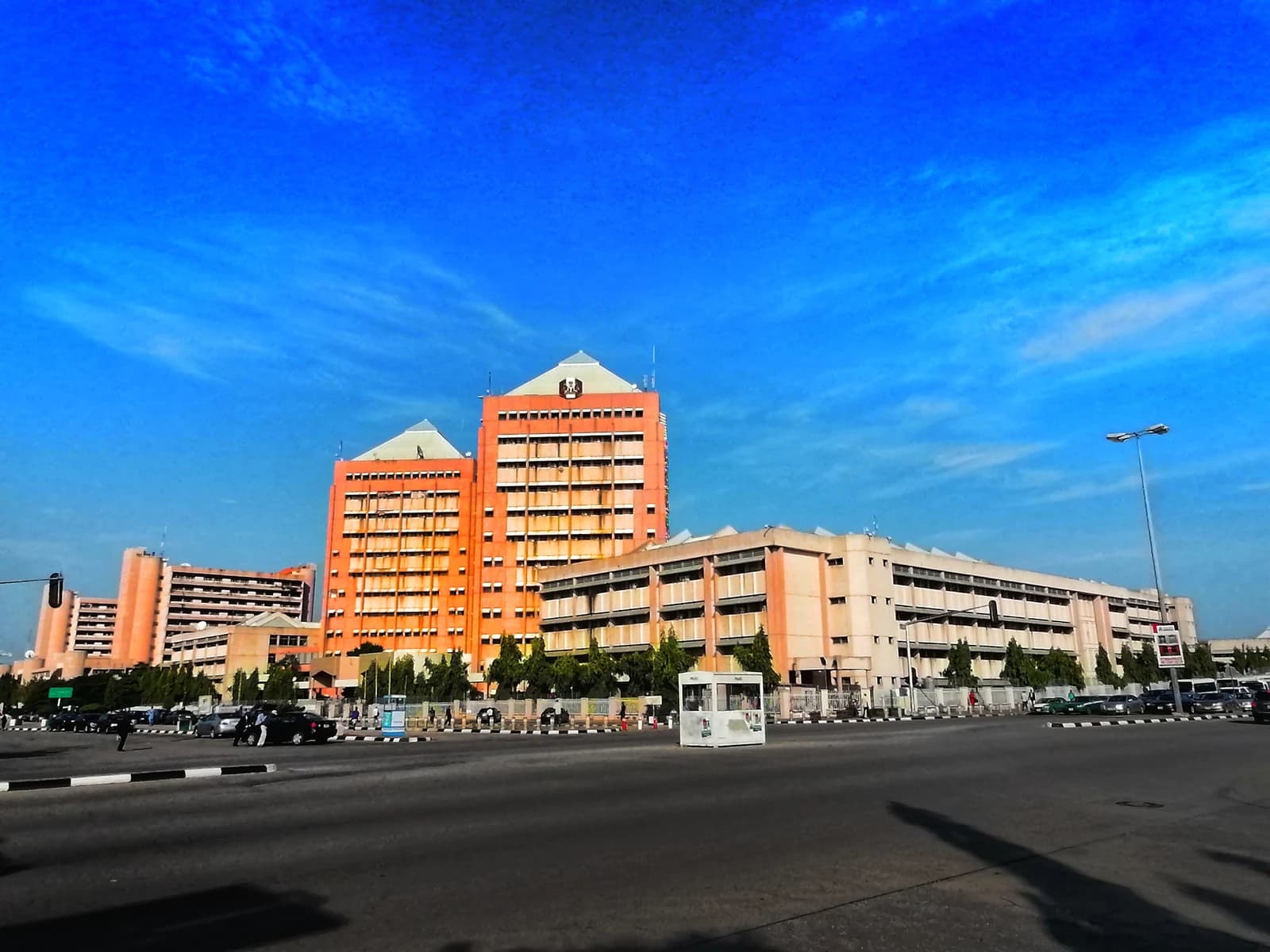
Üsküdar Municipality’s finances have reached the point where even selling off nearly all of its property has not stopped the debt pile from growing, a warning sign for local government balance sheets in an era of higher borrowing costs and tighter cash flow.
Üsküdar Municipality debt rises 538% to 6.65B lira

The municipality said in its 2027 budget presentation that debt has surged 538% over the past 2.5 years to 6.65 billion Turkish lira, while interest expense climbed to 76 million lira. More strikingly for investors and policymakers, the municipality has already sold 164 of its 171 real estate assets and still has not been able to close the gap, underscoring how quickly operating shortfalls can overwhelm one-off asset sales.
Sentiment IndicatorsⓘProprietary · adalytica.com · October 14, 2026
This is a snapshot — live sentiment, awareness and momentum for 130+ markets update continuously in the dashboard.Open AlphaPulse

That matters because municipalities are not just administrative entities; they are borrowers, employers and major spenders in local economies. When a local authority has to take out loans to make payroll, as Üsküdar reportedly has, the problem moves beyond accounting and into service delivery. It can mean delayed investment, pressure on contractors, weaker maintenance of public assets and a greater reliance on refinancing rather than revenue growth.
For markets, the significance is broader than one district in Istanbul. Rising municipal debt can become a small but telling stress point in a country already living with elevated financing costs and sensitivity to debt sustainability. When the cost of capital stays high, organizations with weak balance sheets lose flexibility fast. The result is often the same: more borrowing to cover yesterday’s borrowing, and fewer assets left to monetize.
The comparison with larger debt markets is uncomfortable. Globally, lenders and investors have become more alert to restructuring risk, whether in sovereigns, utilities or highly leveraged companies. Local governments with shrinking asset buffers and rising interest expense fit that pattern. They may not move national markets on their own, but they reveal how quickly credit pressure can migrate from the abstract to the very local.
For investors, the lesson is about discipline. Debt-heavy institutions with limited revenue growth and no meaningful asset cushion become far more vulnerable when rates rise or economic activity slows. In contrast, balance sheets with recurring cash flow and manageable leverage tend to survive such periods with far less damage.
The key question now is whether Üsküdar can rebuild its finances through stronger recurring revenues and spending control, or whether it will remain trapped in a cycle of asset sales and refinancing. For long-term investors, that makes municipal and quasi-sovereign credit quality worth watching closely, especially in an environment where debt stress is no longer a niche concern.
| Entity | Gains | Losses |
|---|---|---|
| Üsküdar Municipality creditors | ▲Higher interest income | ▼Greater default risk |
| Üsküdar residents | ▲Little immediate gain | ▼Weaker services, delayed investment |
| Asset buyers | ▲Discounted property access | ▼None if deals are sound |
| Turkish local governments | ▲Warning to tighten budgets | ▼Pressure to delever fast |