USO, OIH Rise as Russia Sanctions Expand
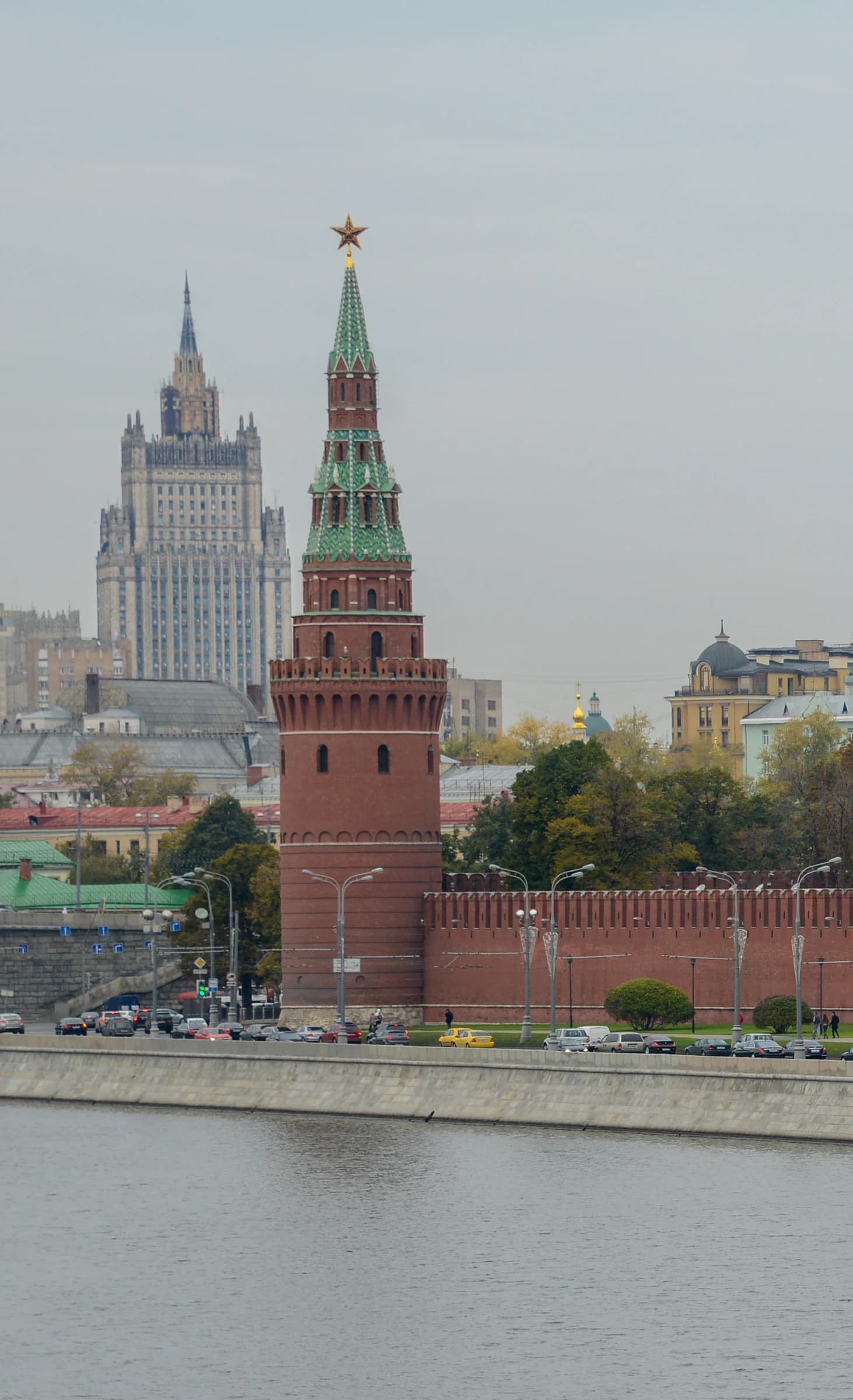
China’s criticism of Washington’s latest sanctions drive against Russia underscores a simple market reality: the war in Ukraine is no longer just a geopolitical story, it is a capital-flows story that is keeping crude, defense spending and sanctions enforcement bid.
That matters because every new layer of pressure on Moscow raises the odds of tighter supply, higher compliance costs and more fragmentation in global trade. It also widens the gap between the companies and countries that can absorb sanctions risk and those that cannot. For investors, the message is to watch the second-order winners: energy, shipping, defense and sanctions-adjacent infrastructure, rather than assuming diplomacy will quickly unwind the premium built into commodity markets.
Switzerland’s move to “raise the heat” by targeting nine individuals and 45 legal entities is another sign that enforcement is broadening beyond Washington. The more jurisdictions align on sanctions, the harder it becomes for Russia to route goods, finance and equipment through third countries. Austria’s discovery of efforts to funnel military equipment to Russia shows why the market should not underestimate the persistence of leakage and the need for more policing. That creates a durable tailwind for compliance services, customs monitoring and firms with clean supply chains.
The clearest market response is in energy. USO, the U.S. oil fund, has surged to 127.61 from 112.21 on Aug. 7, while the OIH oil-services ETF has climbed to 415.30 from 388.28 over the same period. Those moves reflect a market that is increasingly pricing geopolitical risk into crude and into the service names that benefit when producers keep spending to protect supply. Technical indicators back the trend: USO remains well above its 50-day moving average, and OIH has broken back above both its 50-day and 200-day moving averages, showing momentum is still intact even after a strong run.
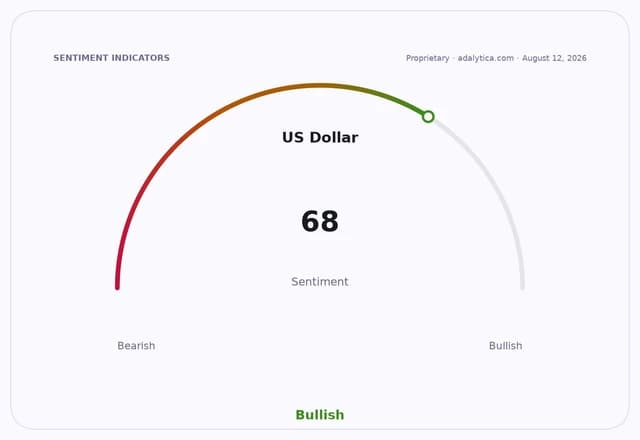
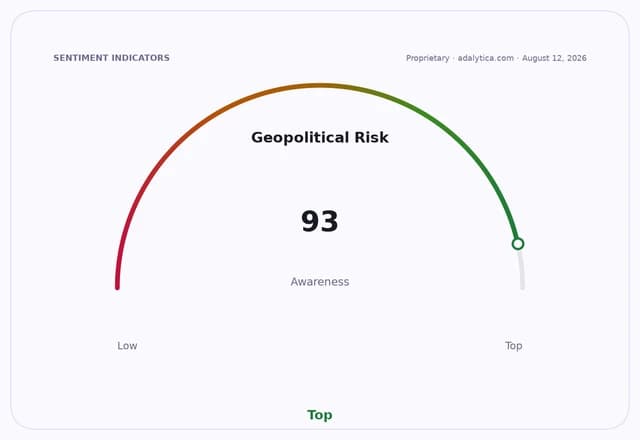
The broader setup is even more important for the next leg of the trade. Adalytica’s Global Stability Sentiment gauge is at an extreme 100, a sign that geopolitical risk is already deeply embedded in market awareness, while the U.S. dollar signal has cooled even as attention remains high. That combination usually favors hard assets and firms tied to physical throughput, not broad-market complacency. In other words, the market is not dismissing sanctions risk — it is repricing it.
For investors, the asymmetric opportunity is to own the toll roads of the conflict economy. Energy producers with balance-sheet strength, offshore and oilfield service names, defense contractors, and logistics or compliance beneficiaries remain the cleaner ways to express this theme. If the U.S. House advances the sanctions bill and Europe keeps tightening enforcement, the trade is not just about punishing Russia — it is about extending the earnings cycle for the companies that sit between policy and physical supply.
| Entity | Gains | Losses |
|---|---|---|
| USO / oil producers | ▲Higher crude pricing | ▼Fuel-intensive consumers |
| OIH / oil services | ▲More upstream spending | ▼E&P firms’ margins |
| Defense contractors | ▲Bigger rearmament budgets | ▼Russian military supply chains |
| Sanctions-enforcement firms | ▲More compliance demand | ▼Russia-linked intermediaries |