Uttar Pradesh plans Neem Karoli Baba pilgrimage circuit
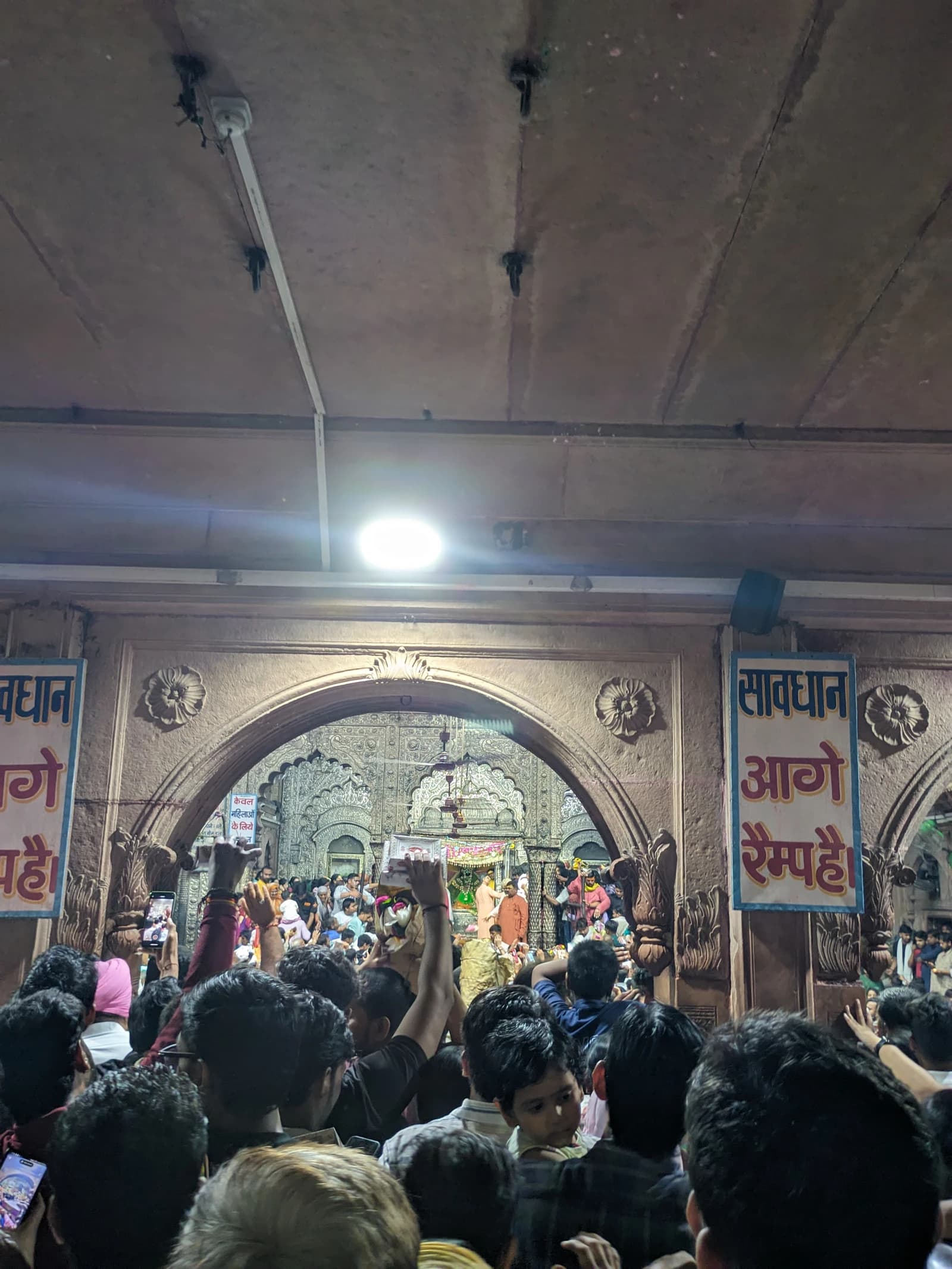
Uttar Pradesh is moving to turn its connections to Neem Karoli Baba into a formal pilgrimage circuit, a tourism push that could draw more devotees, lift local spending and put pressure on infrastructure across several districts.
The state tourism department is preparing a development plan centered on the spiritual leader’s birthplace in Firozabad, his samadhi site in Vrindavan, Neeb Karori village in Farrukhabad and Lucknow’s Hanuman Setu Temple, according to local reports. The project mirrors the draw of Uttarakhand’s Kainchi Dham, but officials want to build a circuit that packages multiple sites into a single religious travel route.
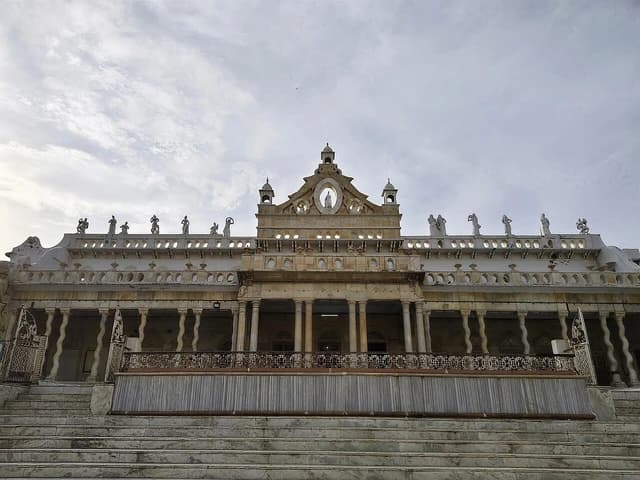
The Firozabad site is expected to be the anchor. Officials have identified about 87.5 bighas of land for the project and are working through valuation and acquisition. The plan calls for a grand entrance, digital museum, interpretation centre, meditation centre, wellness centre, community kitchen, food court and multi-level parking. Authorities said compensation for landowners would be four times the applicable land value under government rules, and local residents have not objected so far, easing one of the main risks to execution.
For Uttar Pradesh, the economic logic is straightforward: religious tourism is one of the state’s most scalable forms of domestic travel, and pilgrimage circuits tend to spread visitor spending across hotels, transport, food services and retail in smaller cities that usually see limited premium tourism demand. A well-marked circuit also encourages longer stays rather than one-day visits, raising per-capita spending and creating a more dependable flow of footfall outside peak festival periods.
The state is also trying to avoid the bottlenecks that often limit religious tourism’s impact. At the Firozabad site, the inclusion of parking, a community kitchen and visitor facilities suggests an attempt to manage congestion and convert a commemorative site into a usable destination. At Neeb Karori village in Farrukhabad, officials are planning water tanks, road widening, parking and childcare spaces, while the Vrindavan samadhi site is set for road and infrastructure upgrades to improve access.
Lucknow’s Hanuman Setu Temple is expected to serve as the circuit’s starting point, with the Uttar Pradesh State Tourism Development Corporation likely to organise guided tours. That matters because packaged circuits are easier to market, easier for operators to sell, and typically more effective than isolated monuments in generating repeat demand.
The broader investor angle is that Uttar Pradesh is continuing to treat tourism as an infrastructure-led growth sector rather than a branding exercise. If executed well, the project could benefit local contractors, transport providers, hospitality businesses and small vendors around the sites. It also fits a wider national trend in which states are competing to monetise religious heritage, betting that domestic pilgrimage demand can be converted into jobs and local economic activity.
The main execution risk is familiar: land acquisition, delays in approvals and uneven coordination between civic bodies and tourism planners. But with no reported local resistance and family no-objection certificates already submitted for review, the initial path looks smoother than many heritage projects. For investors and businesses tied to UP’s travel economy, the key question now is whether the state can turn a devotional map into a functioning circuit that keeps visitors moving — and spending — across multiple districts.
| Entity | Gains | Losses |
|---|---|---|
| Uttar Pradesh tourism sector | ▲Higher visitor flows | ▼Execution pressure |
| Local businesses and vendors | ▲More footfall and sales | ▼ |
| Landowners in project areas | ▲Compensation at higher rates | ▼Land monetization control |
| Competing standalone pilgrimage sites | ▲ | ▼Attention diverted to circuit model |