Uttar Pradesh Launches Neem Karoli Baba Tourism Circuit
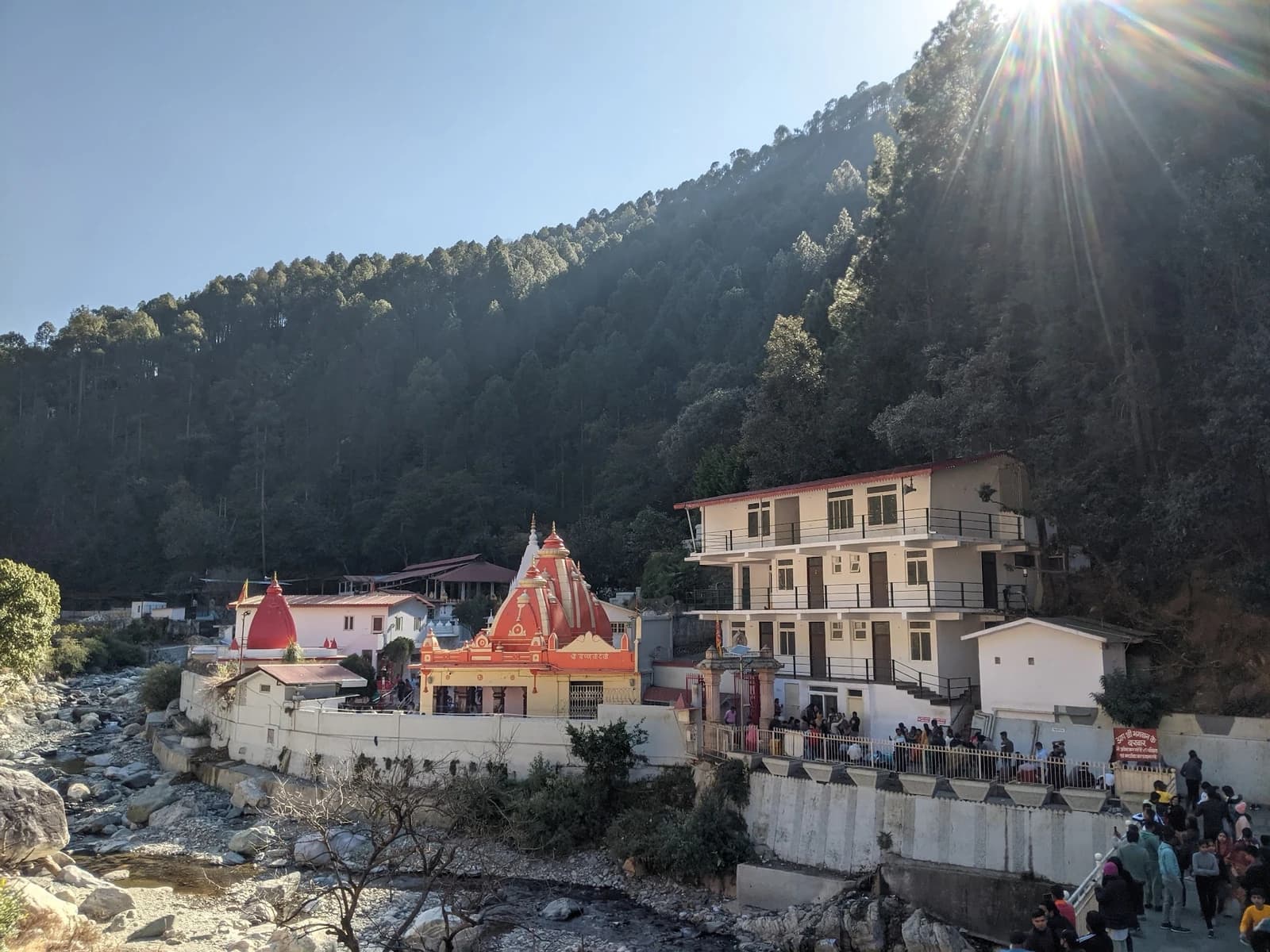
Uttar Pradesh has turned the cult appeal of Neem Karoli Baba into a packaged tourism product, launching a new circuit and five special tours from Delhi and Lucknow in a bid to convert devotional traffic into a steadier stream of spending.
The move matters because it shows how state governments are trying to monetize India’s growing spiritual travel economy with better infrastructure, branded routes and easier access, rather than relying on ad hoc pilgrimage flows. For Uttar Pradesh, where tourism is a major source of local jobs and services demand, the circuit is a low-capex way to lift hotel occupancy, transport use and ancillary spending across multiple districts.
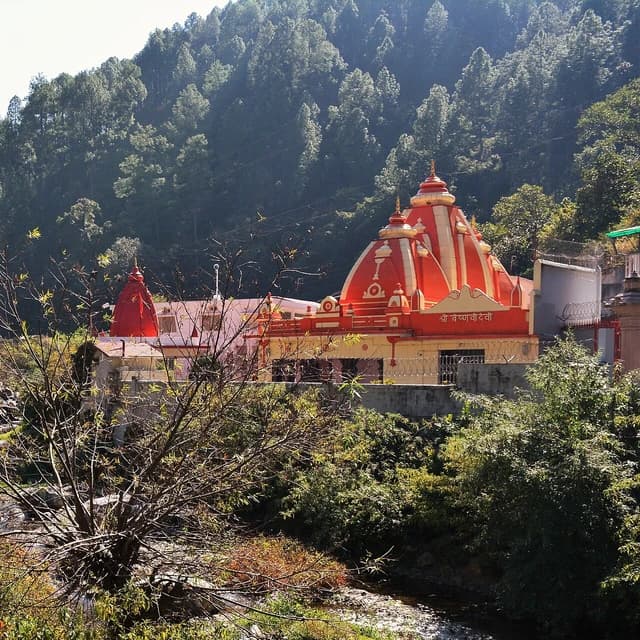
The new “Neem Karoli Baba Circuit” will link Akbarpur in Firozabad, the ashram temple in Farrukhabad, Hanuman Setu in Lucknow and the samadhi temple in Vrindavan, where the saint took maha samadhi in 1973. The state has already completed a 1.51 crore rupee project to develop the Farrukhabad ashram with accommodation and public amenities, while the Uttar Pradesh State Tourism Development Corp will sell two-, three- and five-day packages depending on demand.
For investors, the significance lies less in the absolute size of the spending than in the policy direction. Religious tourism typically has high repeat potential, broad spillover effects and relatively resilient demand even when discretionary travel weakens. That makes it attractive for transport operators, local hospitality businesses, food services and retail vendors, particularly in smaller cities that sit outside India’s main leisure hubs.
The government is also leaning on a recognizable devotional brand. Neem Karoli Baba has an established following in India and abroad, and that gives the circuit a ready-made audience that could support domestic pilgrimage traffic as well as niche inbound travel. If the route gains traction, it may encourage further public investment in site upgrades, signage, stay facilities and last-mile connectivity.
The stock-market angle is more indirect. Listed travel and tourism names with exposure to domestic leisure demand may benefit if spiritual circuits broaden the addressable market for packaged tours, while local operators stand to gain from incremental footfall. But the bigger upside is regional: Uttar Pradesh is trying to build a repeatable model for converting religious heritage into economic activity without large-scale infrastructure outlays.
The risks are familiar. Spiritual tourism can be seasonal, politically sensitive and dependent on sustained service quality. Without adequate crowd management, sanitation and transport links, the product can struggle to scale beyond initial interest.
Still, the launch reinforces a clear thesis: in India, pilgrimage is increasingly being treated not just as a cultural obligation but as an investable tourism category.
| Entity | Gains | Losses |
|---|---|---|
| Uttar Pradesh government | ▲Tourism revenue | ▼Higher infrastructure burden if execution slips |
| Local hotels and transport operators | ▲More visitor traffic | ▼Demand volatility outside peak periods |
| Devotional travelers | ▲Easier access and packaged routes | ▼Less flexibility than self-planned trips |
| Competing leisure destinations | ▲None | ▼Share of discretionary travel attention |