Uzbekistan Consumer Prices Fall 0.1% in July
Consumer prices in Uzbekistan fell 0.1% in July, a rare monthly decline that underscores how sharply seasonal food discounts are pulling down inflation even as fuel and services keep rising.
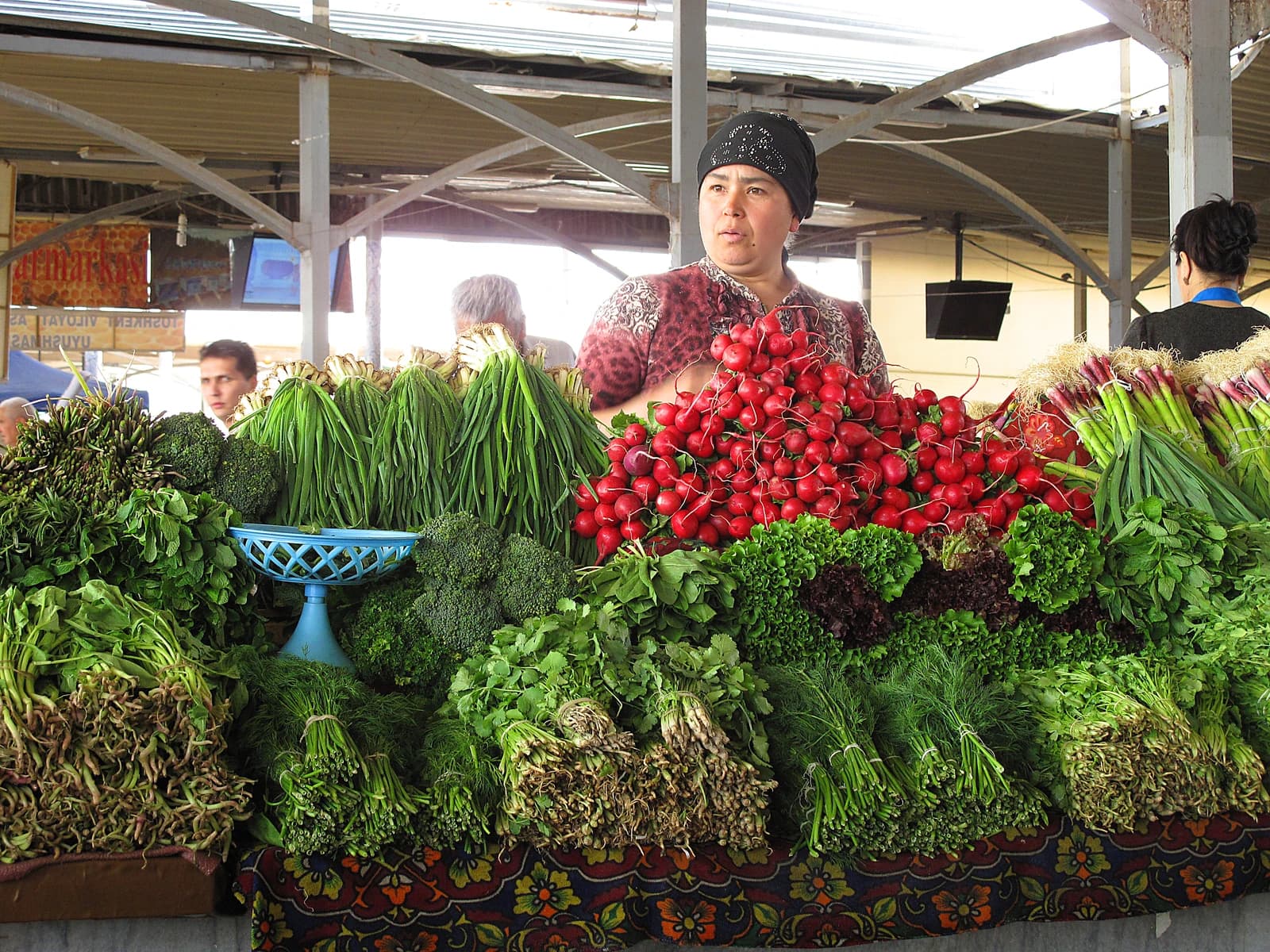
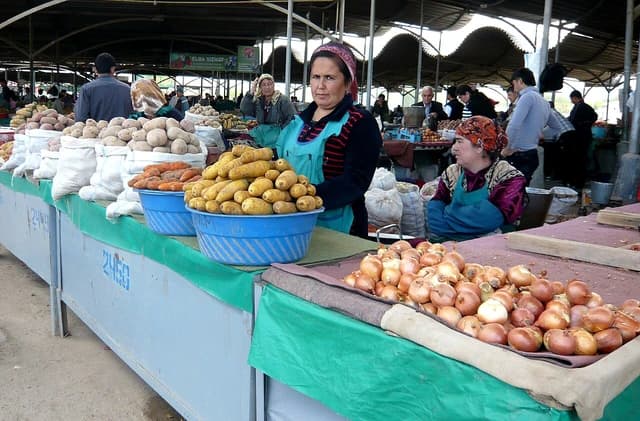
The data from the National Committee of Statistics suggest that the main driver was a 0.9% drop in food prices, led by steep declines in vegetables and fruit. Tomatoes were down 24%, cucumbers 10.6%, potatoes 18%, watermelons 20.3% and eggplants 42.8%, while peppers fell 39.4%. The result is the kind of bazaar-level deflation reflected in the seed headline: shoppers are seeing meaningful price cuts in the market, not just slower inflation in the index.
That matters economically because food is still a large share of household spending in Uzbekistan. When produce prices swing lower in the peak season, it can briefly relieve pressure on real incomes and help offset tighter conditions elsewhere. But the pattern also shows how fragile the disinflation process remains. Non-food goods rose 0.3% in July and paid services climbed 0.5%, suggesting that underlying price pressures have not disappeared; they are being masked by a sharp seasonal correction in perishables.
The mix is important for policymakers because it complicates the inflation outlook. Higher prices for gasoline, especially premium grades, point to persistent input-cost pressure, while higher fees for waste collection, mobile service and bus fares show that administered and utility-linked costs are still edging up. That means July’s drop is less a sign of broad-based price stability than a reminder that headline inflation can improve even when core pockets remain sticky.
For investors, the implications are most relevant for domestic demand, consumer spending and any assets tied to Uzbekistan’s policy path. Softer food prices can support household purchasing power and ease pressure on wages, but they are unlikely on their own to change the broader monetary stance unless the trend persists beyond the harvest season. A one-month dip will be welcomed by consumers and officials alike, yet markets will be watching whether services and fuel continue to offset the relief from fresh produce.
The key question now is whether Uzbekistan is entering a genuine disinflation phase or simply enjoying a temporary harvest-driven pause. If food inflation keeps easing while services remain contained, the central bank may gain room to loosen policy later. If not, July will look like a seasonal anomaly rather than the start of a lasting price reset.
| Entity | Gains | Losses |
|---|---|---|
| Uzbek households | ▲Lower food bills | ▼Still rising services and fuel |
| Consumers buying produce | ▲Cheaper seasonal staples | ▼Vendors facing slimmer margins |
| Central bank | ▲Better headline inflation data | ▼Less room if services stay sticky |
| Bazaar speculators | ▲Lower arbitrage opportunity | ▼Inventory held at higher prices |