Vanuatu-France Island Row Raises Pacific Risk
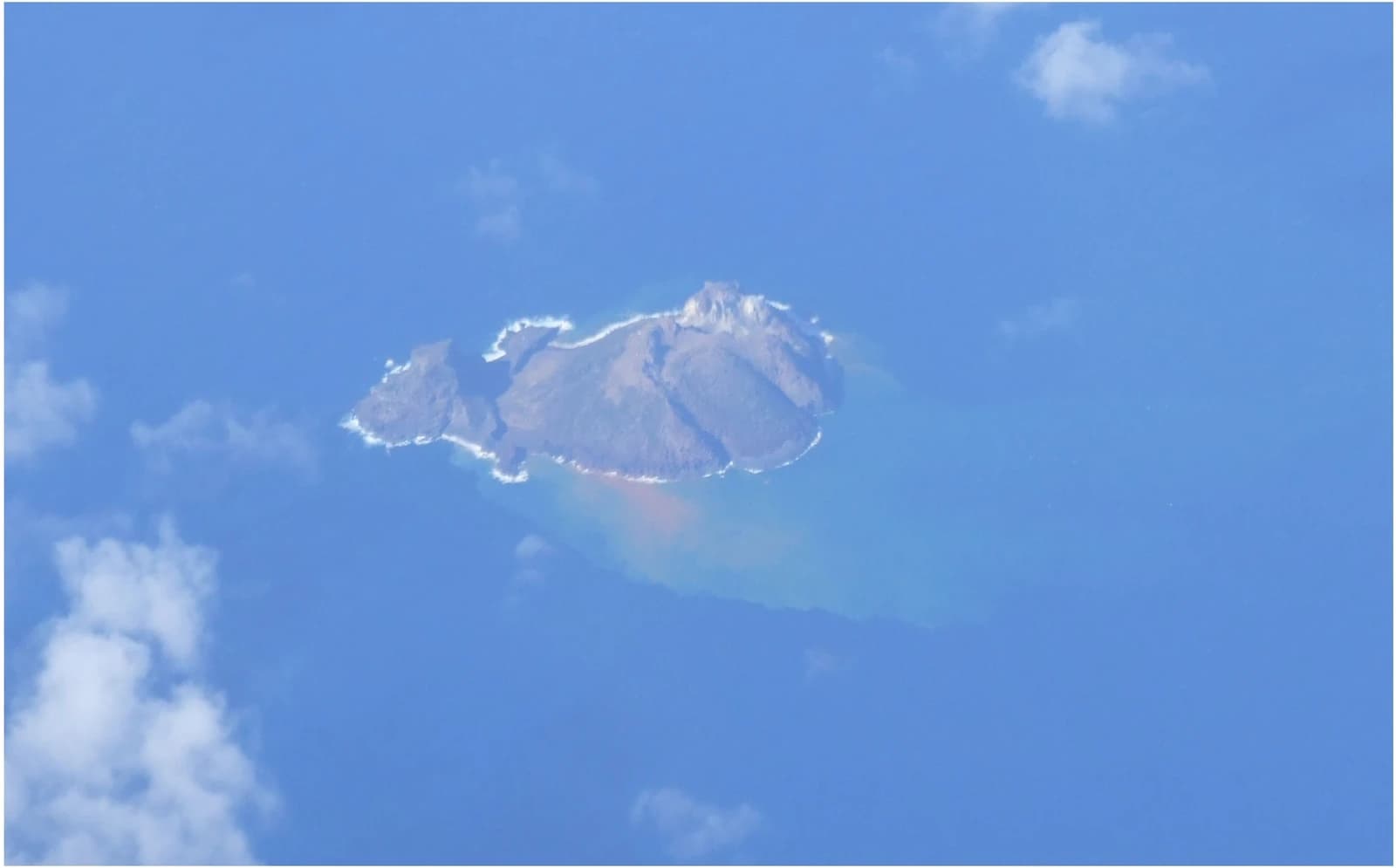
Vanuatu’s push to reclaim the uninhabited Matthew and Hunter islands from France is a reminder that the Pacific’s next geopolitical fault line is not only about military alignments, but about sovereignty, maritime rights and the value of remote territory.
The dispute matters economically because control over small islands can determine exclusive economic zones, fishing rights and long-term leverage over seabed resources, even where the land itself has little commercial value. For investors, that makes the issue relevant well beyond diplomacy: it feeds into risk premia around Pacific assets, shipping corridors, telecoms and infrastructure projects exposed to a more contested regional order.
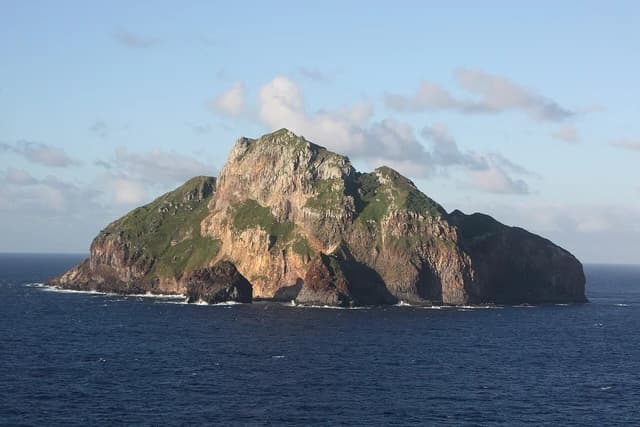
The ABC report framing the dispute for “Geopolitics” subscribers points to a familiar pattern in the Pacific, where historical colonial claims are colliding with a more assertive regional politics. Vanuatu is not seeking a symbolic trophy. In maritime law, sovereignty over even tiny islands can shift control over a much larger swath of ocean, and in a region where fisheries remain economically important, the implications are tangible.
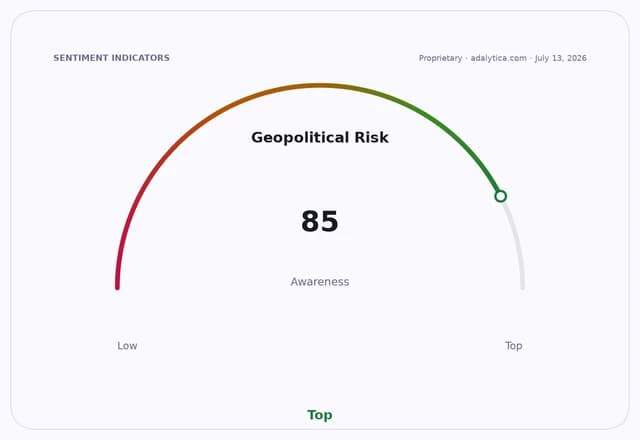
That broader backdrop is increasingly sensitive. The latest Adalytica Global Stability Sentiment snapshot shows extreme fear at 15, after a sharp 62-point drop over the past month, while awareness remains elevated at 85. That combination suggests markets are not pricing calm; they are pricing attention. In such an environment, any territorial dispute involving France, a Pacific power through New Caledonia and French Polynesia, has the potential to spill into alliance politics and raise questions about how far European states are prepared to defend their remaining colonial-era claims in the region.
For France, the stakes are strategic as much as legal. A concession on Matthew and Hunter could encourage further challenges to its Pacific footprint and embolden other states to revisit historical boundaries. For Vanuatu, pressing the claim reinforces its domestic and regional credentials, particularly among Pacific governments seeking to reduce dependence on external powers and assert greater control over their maritime space.
The economic transmission is indirect but real. A more contentious Pacific increases the odds of regulatory uncertainty for resource exploration, higher insurance and logistics costs, and more cautious capital allocation in a region already exposed to climate shocks. The risk is not that Matthew and Hunter are economically productive today, but that they sit inside a wider contest over who controls the sea around them.
That is why investors should treat the dispute as part of a larger pattern rather than an isolated territorial grievance. If Pacific states continue pressing dormant claims, the region could see more legal challenges, sharper diplomatic friction and greater scrutiny of assets tied to maritime jurisdiction. The immediate market impact may be limited, but the strategic message is clear: in the Pacific, even the smallest islands can carry outsized geopolitical and economic weight.
| Entity | Gains | Losses |
|---|---|---|
| Vanuatu | ▲Maritime leverage | ▼Legal uncertainty |
| France | ▲Status quo if retained | ▼Pacific credibility |
| Fishermen/resource holders | ▲Clearer rights if settled | ▼Access risk |
| Investors in Pacific assets | ▲Clarity if dispute eases | ▼Risk premia if tensions rise |