Venezuela Risk Rises on Trump Charge Threat
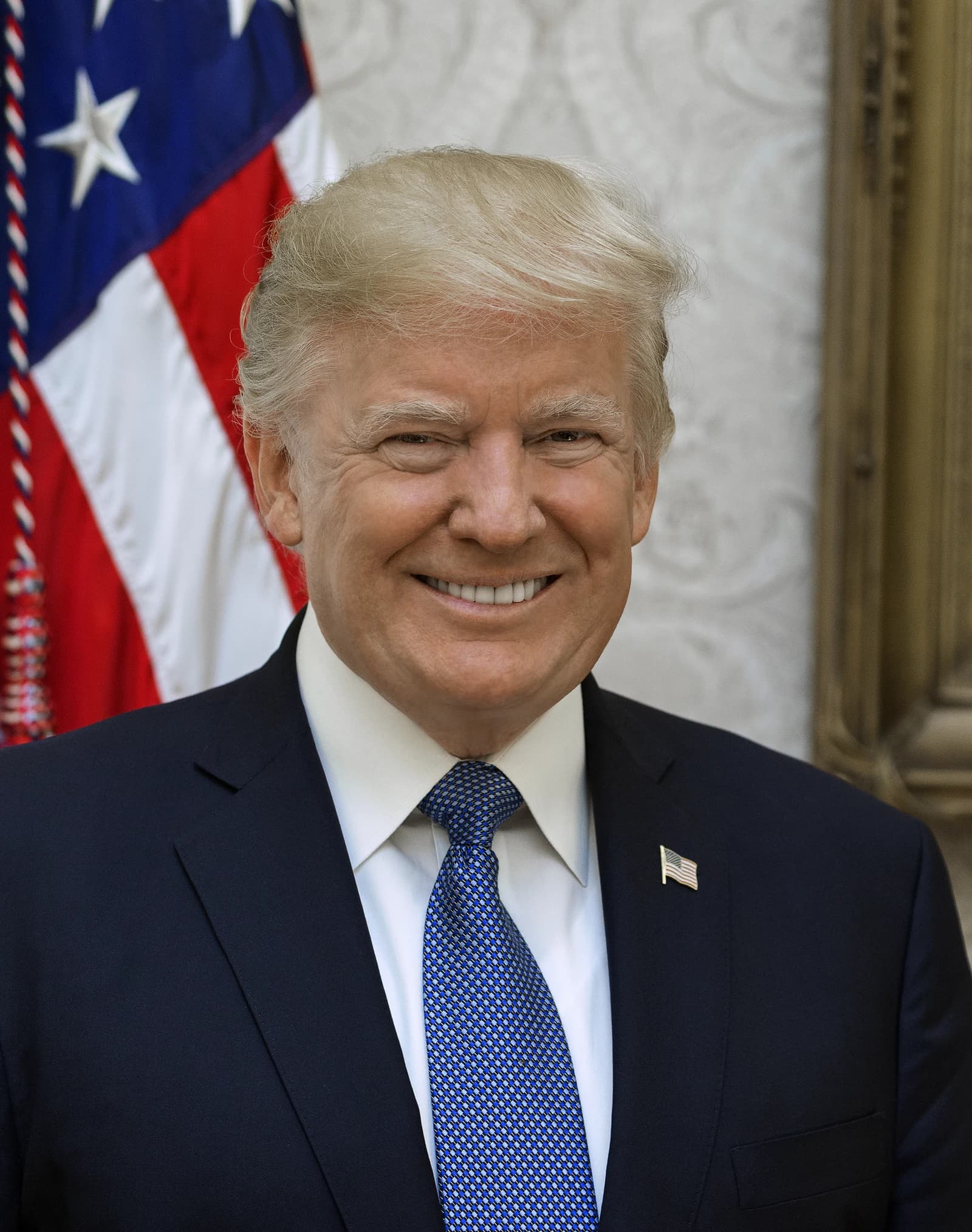
Donald Trump said he may bring new criminal charges against Nicolás Maduro, widening a confrontation with Venezuela that could keep sanctions risk, migration pressure and oil-market volatility elevated.
The immediate significance is not the legal language itself but the direction of U.S. policy: Washington is signaling that Venezuela remains a live geopolitical target, not a managed back-burner issue. Trump’s comments about a possible case tied to sending prisoners from Venezuela into the U.S. add to existing narcotics accusations against Maduro and his wife, Cilia Flores, and reinforce the view that the administration is prepared to use criminal exposure as a tool of foreign policy.
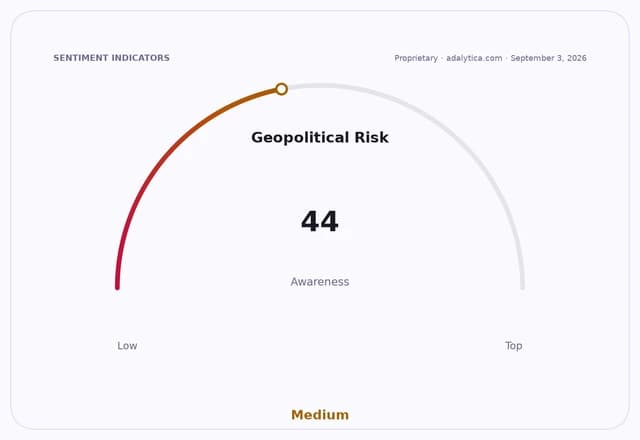
For investors, that matters because Venezuela sits at the intersection of three markets: energy, emerging-market risk and the U.S. political debate over border security. Any renewed push against Maduro raises the odds of tighter enforcement, more sanction uncertainty and a louder confrontation over migration. That combination can support crude oil and the broader energy complex while weighing on Venezuela-related assets and the wider developing-world risk trade.
Oil prices were already firm, with U.S. Oil Fund shares tracking West Texas Intermediate holding near the top of their recent range. USO closed at $141.15, above its 50-day moving average of $122.51 and 200-day average of $106.78, while its relative strength index stood at 73.9, a sign the market has been pricing in a sustained geopolitical premium. Venezuela is not a marginal player in that equation: any policy that further constrains its oil sector can tighten global supply at the margin, especially when traders are already sensitive to Middle East and Russia-related disruptions.
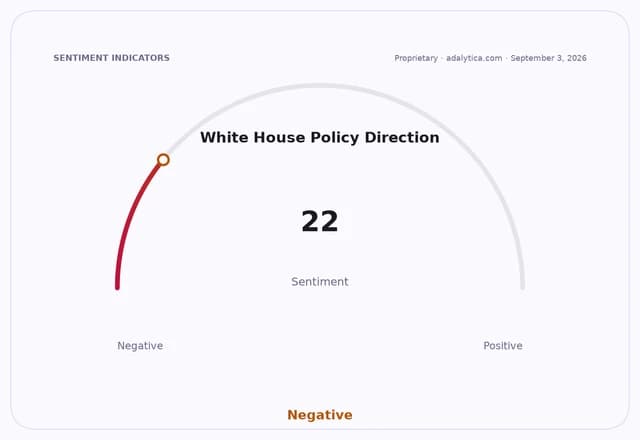
The broader market backdrop also argues for caution. Adalytica’s Global Stability Sentiment gauge has dropped sharply to 44 from 89 in April, while its U.S. White House Policy Direction sentiment sits in “fear,” reflecting how quickly geopolitical headlines are feeding into risk positioning. That is the sort of environment where traders tend to favor energy, defense and hard-asset exposure over emerging-market beta.
The narrative here is straightforward: Trump is turning Venezuela into a harder-line test case, and the market is underestimating how quickly that can spill from politics into prices. If the administration follows through with more charges or enforcement, it could deepen pressure on Caracas, bolster the case for higher oil risk premiums and keep investors leaning into energy producers and infrastructure names rather than broad EM exposure.
For now, the actionable takeaway is to stay long the beneficiaries of geopolitical stress — especially oil-linked equities and cash-flow-heavy energy names — while treating Venezuela and the wider emerging-market trade as vulnerable to another policy shock.
| Entity | Gains | Losses |
|---|---|---|
| U.S. energy producers | ▲Higher oil risk premium | ▼None |
| Oil traders | ▲Volatility and price premium | ▼Short crude positions |
| Maduro government | ▲None | ▼Legal and sanctions pressure |
| Emerging-market assets | ▲None | ▼Risk-off spillover |