Vienna Considers New Cultural Funding Levy
Vienna’s search for fresh cultural funding is turning toward households after the city dropped its contested “Kultur-Euro,” raising the prospect of a new charge on Viennese residents that would hit local consumers more than tourists or the hotel sector.
The shift matters because it moves the burden of financing the capital’s cultural ecosystem away from a dedicated ticket levy and toward a broader, less targeted tax base. That would have immediate implications for household disposable income, city politics and the economics of Vienna’s arts and entertainment industry, which relies heavily on local attendance.
According to reports in the Kronen Zeitung, officials are still discussing “new ways” to secure “sustainable financing” for Vienna’s cultural landscape, with options said to include a different form of ticket tax, a household levy, or a combination of both. A surcharge on the hotel occupancy tax has been ruled out by the office of finance councillor Barbara Novak, narrowing the list of politically sensitive alternatives.
The stakes are not trivial. Industry calculations cited by the entertainment lobby say the abandoned “Kultur-Euro” would have raised about 56 million euros in Vienna, with 57% of the burden ultimately borne by Vienna residents outside high culture and avant-garde venues. Foreign visitors would have accounted for 29%, while visitors from Austria’s provinces would have paid 14%.
That split helps explain why the idea ran into resistance: a levy aimed at tickets and tourism can be framed as a sectoral contribution, but a household charge would effectively spread the cost across local taxpayers and consumers. Vienna has done something similar before. Until 2024, households paid a 15.30-euro monthly surcharge on top of the ORF fee, a charge that was later abolished at the urging of the Neos.
For investors and businesses, the immediate issue is predictability. Cultural institutions, cinemas, theaters and event organizers need clarity on whether they will face a renewed tax on admissions or whether financing will be pulled into the broader municipal tax system. The Viennese cinema market, which generates about 114 million euros a year and is overwhelmingly local in its audience base, would be especially exposed to any new levy on tickets or attendance.
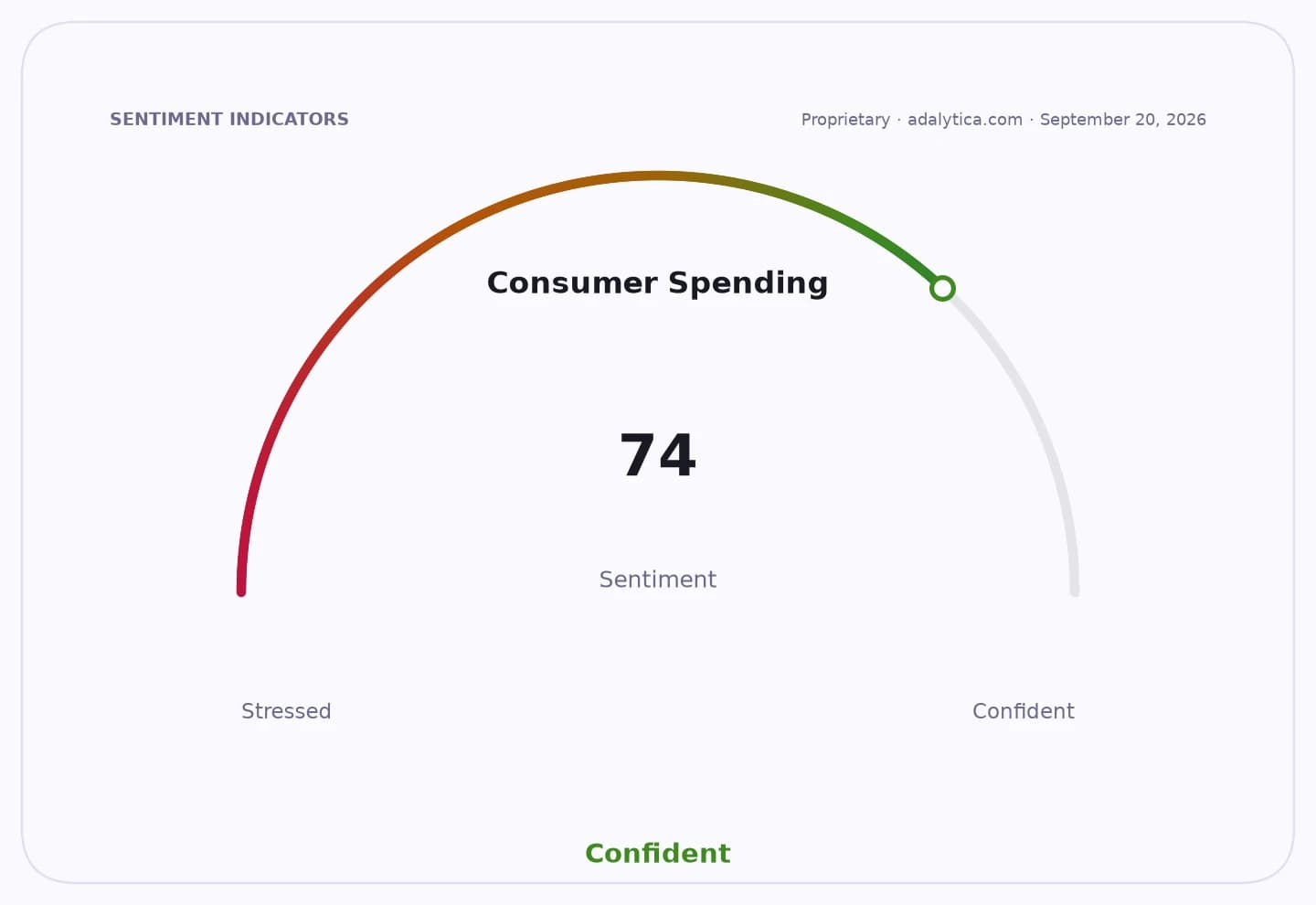
The broader economic backdrop makes the debate more sensitive. Consumer spending sentiment remains elevated, but households are still absorbing a high-cost environment, and any new local tax would add to pressure on discretionary demand. That is especially relevant for entertainment and live events, where even small price changes can affect attendance.
The political logic is also clear. A household levy may be easier for city hall to control than a sector-specific charge that risks depressing tourism or cultural traffic, but it carries its own backlash risk because it lands directly on residents. The city’s challenge is to preserve cultural funding without damaging turnout or reinforcing the perception of Vienna as a higher-cost place to live and consume.
For now, the Kultur-Euro is dead, but the funding question is not. The market-relevant point is that Vienna has not ruled out a new household-based contribution, and that keeps a fresh local tax on the table for residents, cultural venues and the wider consumer economy.
| Entity | Gains | Losses |
|---|---|---|
| Vienna city budget | ▲Potential new revenue | ▼Political backlash risk |
| Cultural institutions | ▲More stable funding | ▼Less if levy is delayed |
| Vienna households | ▲None | ▼Higher local tax burden |
| Event venues and cinemas | ▲Clarity if no ticket tax | ▼Lower attendance if taxed |