Vietnam banks cut dollar and yuan quotes
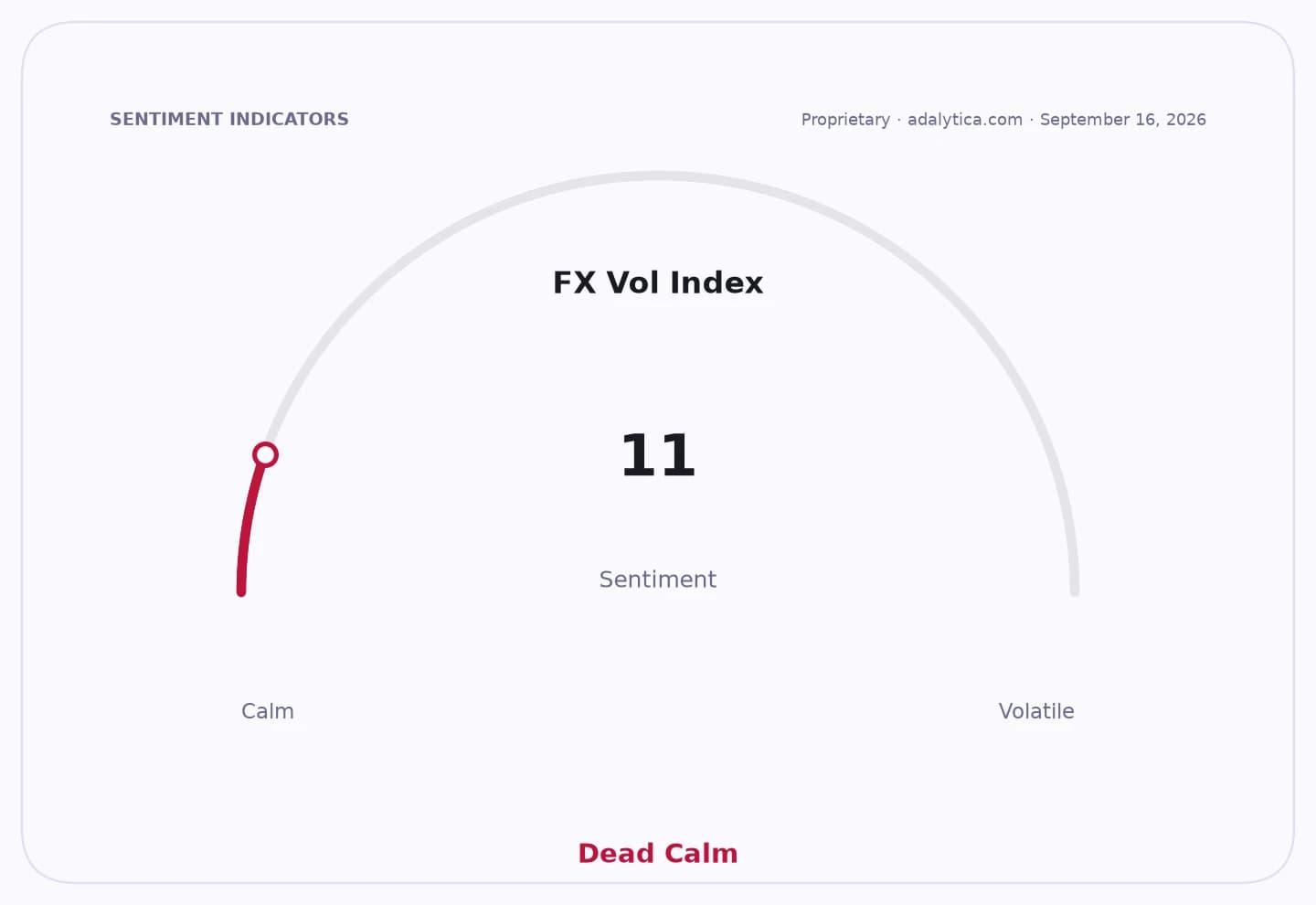
Vietnam’s commercial banks lowered quoted exchange rates for the US dollar and Chinese yuan on Sept. 16, a move that reflects a firmer dong and easing immediate pressure in a market still closely tied to Federal Reserve expectations and trade flows with China.
The adjustment matters because the dong’s value feeds directly into import costs, corporate margins and the State Bank of Vietnam’s room to manage financial stability. A weaker dollar quote at banks can ease imported inflation for fuel, raw materials and consumer goods, while also reducing the local-currency burden on companies with foreign-currency liabilities.
At the same time, the move underscores that Vietnam’s foreign-exchange market is being shaped by external policy rather than domestic conditions alone. The source material points to expectations that the Fed will raise rates, a backdrop that normally supports the dollar. Yet USD/VND traded lower to 25,958 on Sept. 16, after 25,984 the previous day and 26,264 in late January, while the pair remained below its 50-day and 200-day moving averages. That suggests the dong has held up despite broader dollar strength.
The yuan reference also matters for Vietnam’s trade-sensitive economy. China remains one of Vietnam’s most important commercial partners, so a softer yuan quote can affect import pricing, border trade and the competitiveness of Vietnamese exporters selling into or competing with Chinese goods. On Sept. 16, USD/CNY was steady at 6.71, near the lower end of its recent range, indicating limited volatility in the China currency but still leaving local banks room to adjust VND pricing.
For investors, the immediate implication is less about day-to-day FX noise and more about the trajectory of Vietnam’s macro balance. A stable or stronger dong can support confidence in local bonds, help anchor inflation expectations and reduce hedging costs for firms with dollar exposure. It may also encourage foreign inflows into Vietnam’s equity and debt markets if currency stability persists alongside growth reforms and continued overseas financing, including multilateral support for infrastructure.
The bearish case is that the current move proves temporary if US rates stay elevated or if Vietnam’s trade balance weakens. The bullish case is that the dong’s recent resilience, combined with policy support and improving external financing, gives the central bank more flexibility to avoid disruptive devaluation. Either way, banks’ lower USD and yuan quotes point to a market testing whether Vietnam can preserve currency stability while still supporting growth.
| Entity | Gains | Losses |
|---|---|---|
| Vietnamese importers | ▲Lower FX costs | ▼Less benefit if dong weakens later |
| Vietnamese consumers | ▲Softer imported inflation | ▼Limited if bank cuts are temporary |
| Exporters with foreign sales | ▲Stable funding conditions | ▼Slightly weaker pricing edge |
| Dollar holders / FX longs | ▲Less upside from VND moves | ▼Mark-to-market losses |