Vietnam Catfish Exports Face US Tariff Pressure
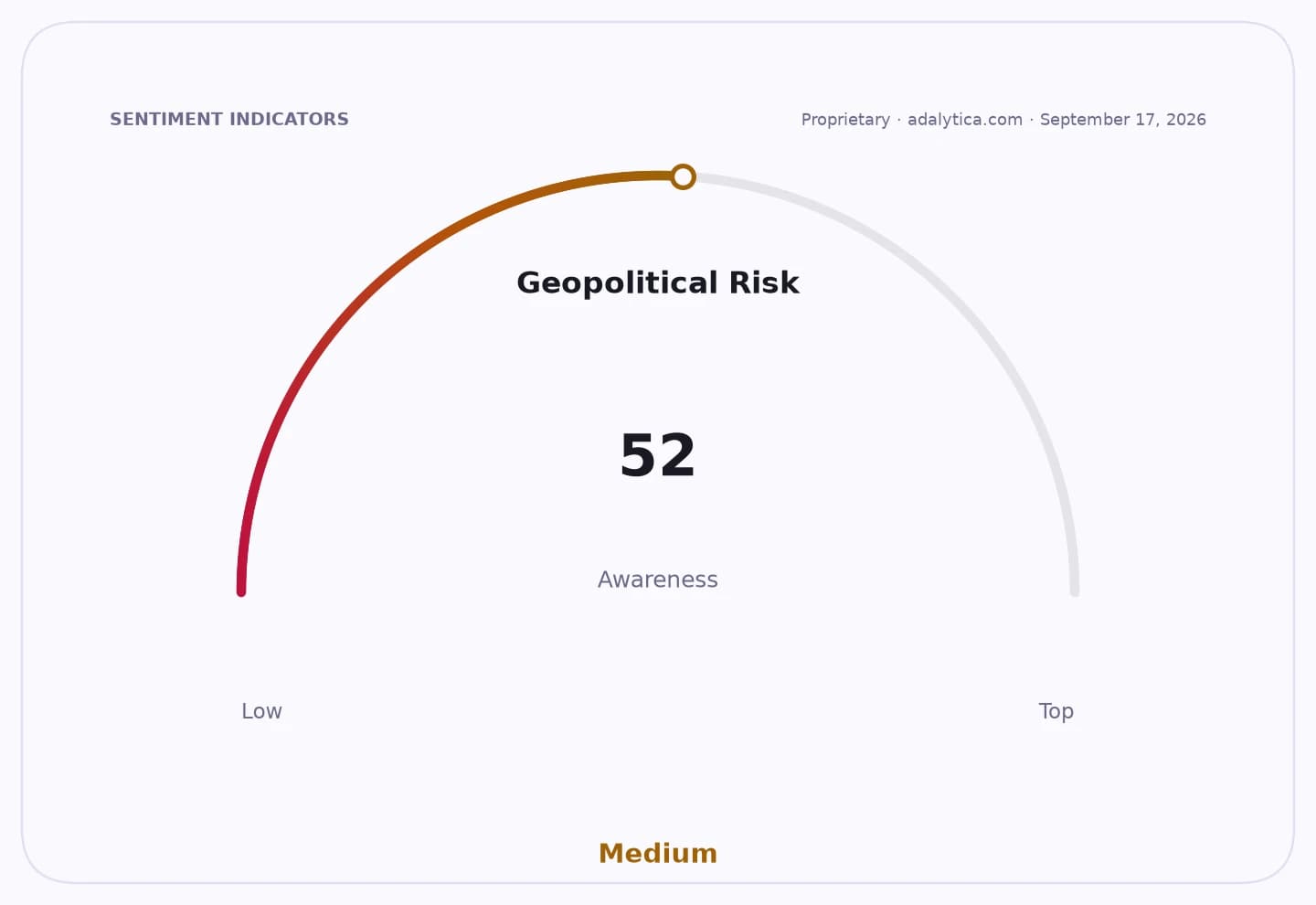
Vietnam’s catfish exporters are running into a fast-worsening US trade squeeze, with August shipments falling more than 50% and the value of goods heading to America hit by what industry groups describe as “taxes on top of taxes.”
The drop matters because the US is not just a big market for Vietnamese pangasius, or tra fish, it is the most price-sensitive one. When duties rise across layers — additional import tariffs, anti-dumping penalties and new protectionist measures — exporters lose pricing power quickly, importers squeeze suppliers, and market share can shift to rivals with lower tax burdens or domestic US producers.
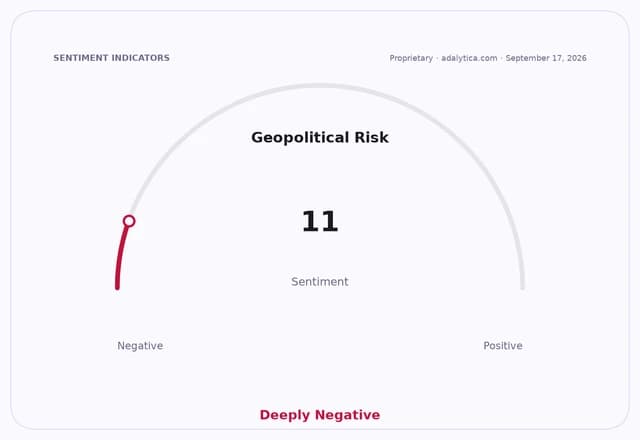
The Vietnam Association of Seafood Exporters and Producers, or VASEP, said exports of tra fish to the US fell nearly 14% in the first eight months of the year, with August alone down more than 50%. The group said the decline reflects not only softer consumer demand but a growing stack of trade barriers that is raising landed costs at the same time as US retail seafood sales are weakening.
On Feb. 24, the US imposed a 10% import surcharge for 150 days, followed by a further 12.5% levy under Section 301 after July 24, according to VASEP. Those charges come on top of existing anti-dumping duties, which the US Commerce Department in August set at $1.00 a kilogram for Bien Dong, $0.38 for NTSF, $0.84 for Can Tho Import-Export Seafood and Nam Viet, while the Vietnam-wide rate remained at $2.39 a kilogram. For lower-margin frozen fillet exporters, that is enough to erode competitiveness even before logistics and compliance costs are added.
The pressure is increasingly structural. VASEP said US lawmakers from catfish-producing states are pushing for more support for domestic producers, while the US Department of Agriculture has been buying catfish for food and nutrition programs, bolstering local demand. A bill, S.4945, would go further by setting a proposed 84 million-kilogram quota on imported catfish from Vietnam, with in-quota tariffs of 50% and out-of-quota duties as high as 200%, on top of other levies. The measure is not yet law, but it underscores how the policy debate is moving from company-specific anti-dumping cases toward broader sector-level restrictions.
That shift matters economically because it raises the probability that Vietnam’s exporters must either absorb part of the tariff burden or concede volume. With US retail sales of fresh seafood down more than 7% in August and frozen seafood sales down more than 7% in value and more than 8% in volume, retailers and importers have less room to pass through higher costs to consumers. The result is tighter negotiations, thinner margins and weaker order books for exporters already competing mainly on price.
The broader implication for Vietnam is diversification. Tra fish exports brought in nearly $2.2 billion in 2025, up 8% from a year earlier, but VASEP said 2026 will remain under pressure, especially with an effective US “reciprocal” tariff rate of around 20% further reducing price competitiveness. That leaves exporters more exposed to markets such as CPTPP members, ASEAN and the Middle East, where tariff barriers are lower and demand is less distorted by protectionist policy.
For investors, the key takeaway is that US exposure is becoming a risk factor rather than a growth engine for Vietnamese seafood names. Companies with the highest anti-dumping rates, the greatest dependence on frozen fillets and the least pricing flexibility are most vulnerable. Those with broader geographic reach, better product mix and stronger balance sheets are better placed to ride out the tariff shock, but the near-term backdrop suggests margin pressure, not expansion, will dominate into 2026.
| Entity | Gains | Losses |
|---|---|---|
| Vietnamese catfish exporters | ▲Diversification beyond the US | ▼Higher landed costs, weaker margins |
| US catfish producers | ▲More protection and support | ▼Limited if consumer demand stays soft |
| US importers/retailers | ▲Some bargaining leverage | ▼Tariff pass-through pressure |
| Vietnamese fisheries sector | ▲Non-US market expansion | ▼US market share and pricing power |