Vietnam central bank to speed Hanoi project loans
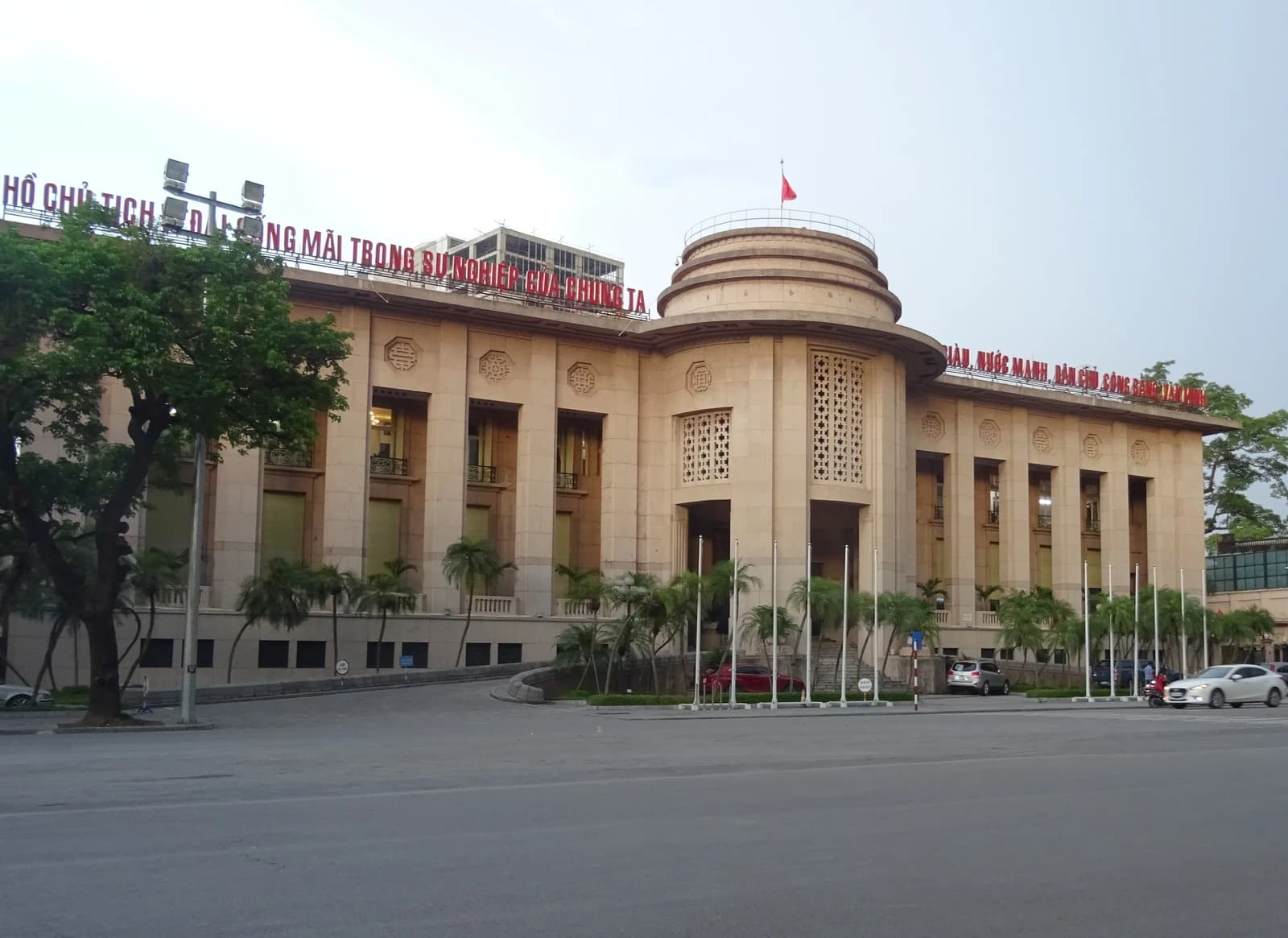
Vietnam’s central bank is moving to speed up funding for large projects in the capital by creating a formal process that would let lenders exceed credit concentration limits with approval from the governor, a change that could unlock financing for infrastructure and strategic developments in Hanoi.
The proposal from the State Bank of Vietnam is economically important because it tackles a familiar bottleneck in emerging-market growth: big, politically important projects often need financing that is too large for a single bank to provide under standard exposure rules. If approved, the framework would give commercial banks and foreign bank branches a clearer path to back projects judged significant for the capital, while keeping the central bank in control of the risk gate.

That matters for investors because credit is the lifeblood of Vietnam’s investment cycle. Faster approvals for large loans can support construction, industrial real estate, transport and utilities, and it can improve visibility for lenders that want to participate in state-backed or city-level priorities without waiting for ad hoc exemptions. It also signals that policymakers are willing to fine-tune prudential rules to keep capital flowing, even as they try to preserve oversight of balance-sheet risk.
Under the draft circular, lenders would submit one dossier to the central bank, which would seek opinions from ministries, local authorities and other agencies within five working days. Those bodies would then have another five working days to weigh in on the project’s economic, technical and legal merits. After that, the central bank would have 17 working days to review the file and could ask for explanations before the governor makes the final decision.
The structure is telling. Vietnam is not simply loosening lending rules; it is building a bureaucratic fast lane for a narrow set of large projects. That suggests the government wants to accelerate capital formation in Hanoi without opening the door to indiscriminate risk-taking across the banking system. For lenders, that is a more investable framework than a blunt quota expansion, because it creates a path to growth while retaining policy discipline.
For bank investors, the beneficiaries are likely to be lenders with strong public-sector relationships and the capacity to underwrite large-ticket transactions, while smaller banks may remain on the sidelines. For the wider market, the proposal reinforces a multi-year theme: Vietnam still needs abundant credit to fund urban infrastructure and modernization, and policymakers are prepared to bend rules selectively to get it done.
If the draft becomes policy, the real test will be whether Hanoi can turn faster approvals into shovel-ready projects and loan growth without undermining asset quality. For now, the message is clear: Vietnam wants banks to finance its next phase of urban expansion, and the institutions able to move quickly stand to gain the most.
| Entity | Gains | Losses |
|---|---|---|
| Large commercial banks | ▲Bigger loan opportunities | ▼Tighter scrutiny |
| Hanoi megaproject developers | ▲Faster financing access | ▼More approval hurdles |
| Foreign bank branches | ▲Entry into large deals | ▼Exposure limits remain |
| Smaller lenders | ▲Limited benefit | ▼Lose to larger rivals |