Vietnam central bank tightens property lending rules
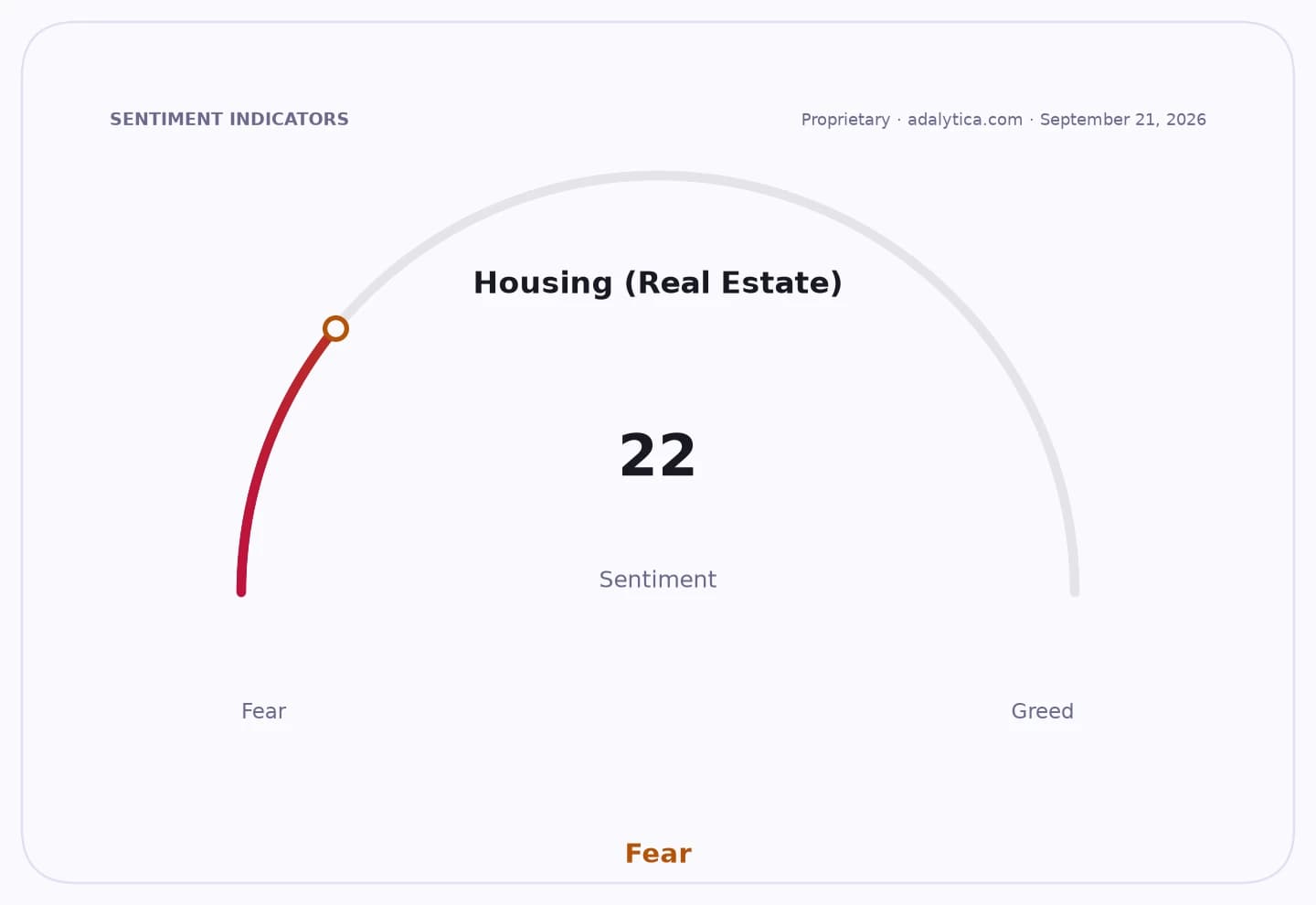
Vietnam’s central bank is tightening the way real estate lending is counted rather than broadly opening the taps, a move that should support selected property segments while leaving more speculative developers competing for scarcer credit.
The State Bank’s latest guidance effectively exempts some new lending from year-end 2025 levels when it is directed to preferred areas, including social housing, industrial parks and export-processing zones, and later to hotels, resorts and eco-tourism projects. In practice, that gives commercial banks more room to lend in targeted parts of the property market without loosening control over the sector as a whole.

That distinction matters economically because property credit remains one of the main transmission channels between monetary policy and domestic demand. Real estate is highly leveraged, and in a market where home prices remain elevated, borrowing costs and access to bank funding directly determine how much supply can clear. If capital is rationed too broadly, transactions stall, projects slow and related industries from construction to building materials lose momentum. If credit is too loose, asset quality and speculative excess become a risk.
For borrowers, the message is more nuanced than a simple easing. JLL Vietnam’s Le Thi Huyen Trang said the market is shifting toward a more sustainable and stable footing, with genuine end users still willing to borrow if products match their budgets. But she also warned that high rates weigh on buyers’ willingness to commit, especially when property prices are still high. That makes the State Bank’s selective approach more relevant than headline lending rates alone.

Vietnam’s policymakers appear intent on avoiding a broad property boom while still supporting parts of the sector tied to housing shortages and industrial development. The central bank is targeting overall credit growth of about 15% this year, but keeping a tighter grip on riskier lending. The effect is likely to be a further split in the market: projects with clean legal status, strong execution and products aligned with real demand should enjoy easier financing, while weaker or more speculative developments may be forced to wait.
For investors, the policy favors disciplined developers, bank lenders with exposure to higher-quality collateral and businesses tied to social housing or industrial land. It is less supportive for overleveraged property groups that depend on easy refinancing. The broader implication is that Vietnam is trying to “straighten” the flow of real estate credit by redirecting it, not expanding it indiscriminately, which could improve sector quality over time but keep funding conditions uneven in the near term.
| Entity | Gains | Losses |
|---|---|---|
| Social housing developers | ▲Easier access to bank credit | ▼Less funding scarcity |
| Industrial park operators | ▲More lending capacity | ▼Tighter competition for capital |
| Hotels and resort projects | ▲Excluded from property credit limits | ▼Regulatory burden easing |
| Speculative property developers | ▲Little benefit | ▼Harder refinancing conditions |