Vietnam chicken prices fall below production costs
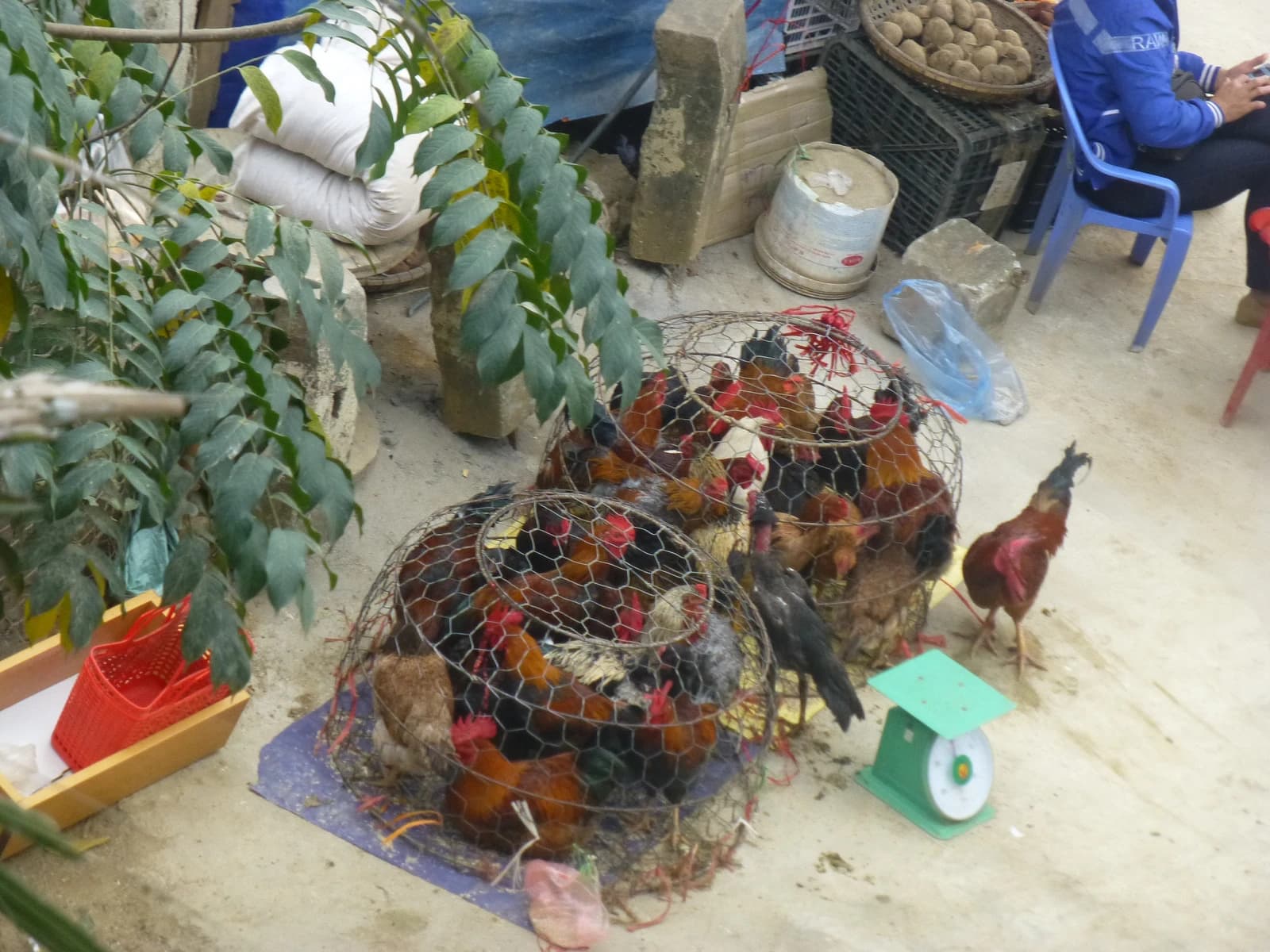
Vietnam’s chicken market is under pressure from a wave of low-priced imported poultry, pushing domestic prices below production costs and deepening losses for local farmers.
White-feather broiler prices fell to 22,000-23,000 dong per kilogram in August, while the average import price for poultry meat and edible offal was about 26,500 dong a kilogram in the first seven months of the year, according to customs data cited by local media. That compares with local production costs of roughly 29,000-30,000 dong per kilogram, leaving many producers selling at a loss.
The squeeze matters because chicken is one of Vietnam’s most widely consumed proteins and a key source of income for thousands of livestock households. When market prices fall below cost, farms either burn cash or risk disrupting contract-linked supply chains that feed fast-food outlets, canteens and institutional buyers.
The pressure is coming from both demand and supply. Consumption weakened during the lunar seventh month, when many consumers avoid meat and school canteens reduce orders during the summer break. At the same time, imports of cheap cuts such as legs, wings, necks and feet kept arriving, while domestic output also rose.
For farmers, the math has turned brutal. One white-feather broiler farm in Dong Nai said it lost more than 2 billion dong after selling about 300 tons in August, even after prices recovered slightly to around 27,000 dong per kilogram in recent days. The farmer said that level is still not enough to break even.
The import data show how exposed Vietnam’s poultry market has become to overseas supply. Chicken and edible poultry offal accounted for 36.49% of the country’s meat import volume in the first seven months of 2026, or nearly 217,371 tons, making it the largest meat import category by volume.
That is a problem for domestic producers and a potential benefit for food manufacturers, restaurants and consumers who are paying less for protein. But it also raises policy pressure on regulators to tighten informal imports and scrutinize official shipments more closely on food safety grounds, as industry groups argue the market is being distorted by cheap foreign supply.
Analysts and industry officials say prices may improve in the fourth quarter as seasonal demand returns, but the immediate outlook remains weak unless imports ease and domestic supply growth cools. For poultry investors and listed agribusiness names, that means margin pressure is likely to linger into year-end.
| Entity | Gains | Losses |
|---|---|---|
| Importers / foreign suppliers | ▲Higher Vietnam market access | ▼None near term |
| Vietnamese chicken farmers | ▲None | ▼Prices below cost, losses |
| Food buyers / consumers | ▲Cheaper poultry input costs | ▼None |
| Regulators | ▲Pressure to tighten controls | ▼Faces criticism if market distortion persists |