Vietnam coffee falls as pangasius gains in Japan
Vietnam’s coffee prices are sliding away from the 100,000 dong-per-kilogram mark just as pangasius, a white-fleshed fish prized by Japanese buyers, is finding a bigger place on sushi menus in Japan. For investors and exporters, that split tells a simple story: agricultural markets are being pulled in very different directions by supply conditions, overseas demand and the ability of producers to match product with the right buyer.
Coffee in the Central Highlands is now trading around 93,000-93,800 dong a kilogram, well below the briefly flirted-with 99,000-99,500 dong range seen in August and far from the 100,000 dong level many traders had expected earlier this year. The retreat matters because coffee has been one of Vietnam’s most important export earners, and domestic prices often feed directly into farm incomes, export margins and hedge behavior across the chain. When prices fall this quickly, it is usually a sign that supply is catching up to the market faster than demand can absorb it.
The latest weakness reflects a more comfortable global supply picture. Brazil’s coffee exports have accelerated, weather has been favorable in both Brazil and Vietnam, and certified arabica inventories on exchange have rebounded. That combination removes some of the urgency that pushed prices sharply higher in July, when robusta futures in London briefly climbed back above $4,000 a ton and arabica on New York posted one of its strongest sessions on record. For investors, the message is less about one volatile crop price and more about how quickly a tight market can normalize when supply improves.
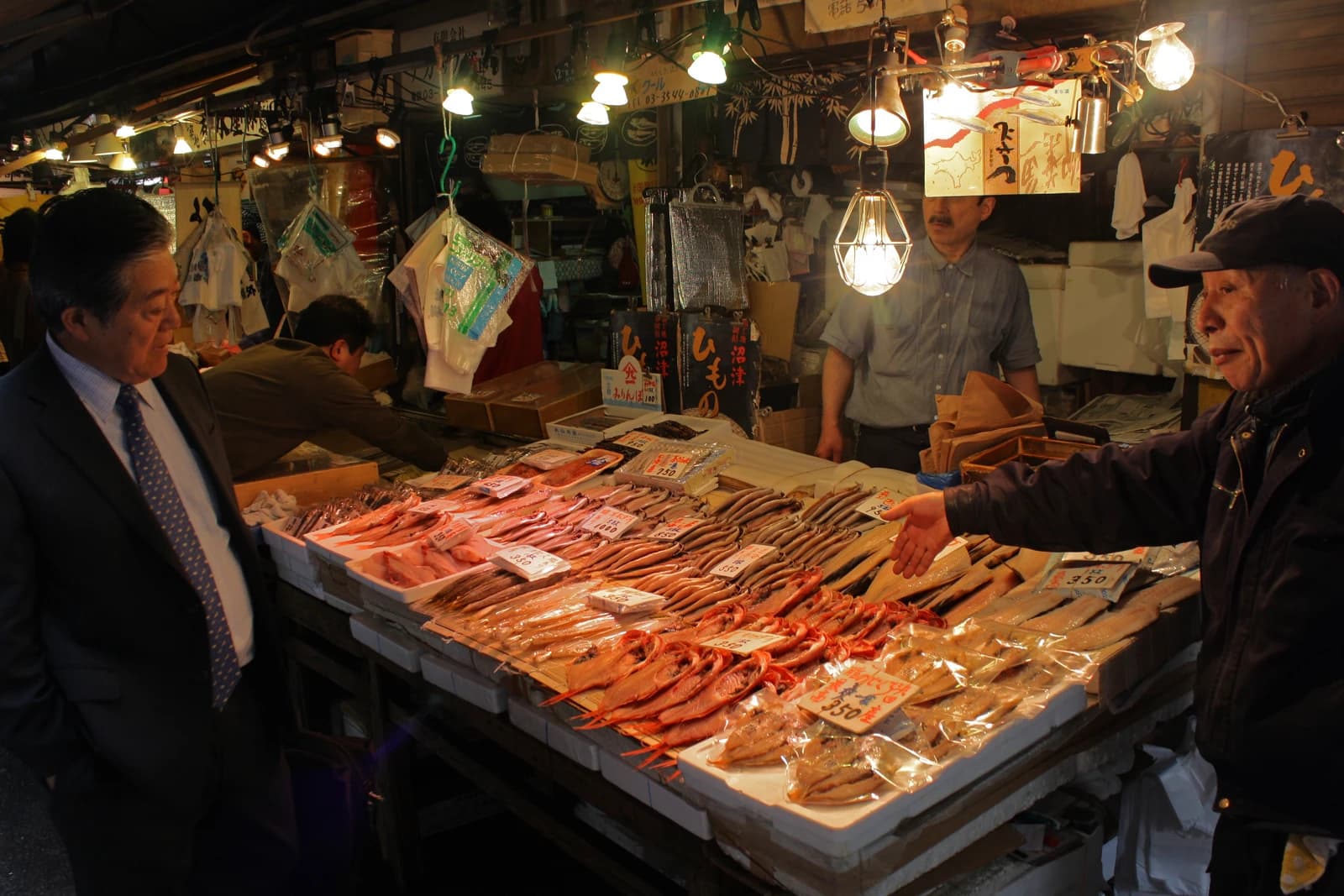
Pangasius is telling the opposite story. In the Mekong Delta, white-fleshed fish sized 0.7-1 kilogram per fish is selling for 34,000-35,000 dong a kilogram, up 500 dong from a week earlier, as Japanese demand deepens. The important development is not just that exports are holding up, but that a major Japanese seafood group, Kyokuyo, has repeatedly promoted the fish and now sells frozen pangasius fillets in its professional food distribution network. More importantly, the fish appeared on the menu at Kura Sushi, a conveyor-belt chain with more than 550 restaurants in Japan. That is a meaningful commercial validation in one of the world’s most demanding food markets.
Economically, that matters because Japan rewards consistency, food safety and product fit, not just low prices. Pangasius has built a niche by offering stable supply and competitive costs at a time when some traditional seafood prices in Japan are rising and wild catch volumes are less predictable. Vietnam’s 8-month pangasius shipments to Japan rose 20.8% from a year earlier to $36.31 million, with August alone up 23.7%. That kind of growth suggests this is not a one-off menu appearance but a channel-opening event that could support prices and processing volumes over time.
For long-term investors, the contrast is useful. Coffee growers and traders face a more cyclical, supply-heavy market where prices can unwind quickly when the next crop comes in. Pangasius producers, by contrast, are benefiting from a broader market-access story: once a product clears the hurdles of Japanese retail and restaurant standards, it can gain repeat orders, better pricing power and a more durable export base. Neither market is risk-free — Japan still demands uniform quality and reliable logistics — but the direction of travel is clearly better for fish than for coffee right now.
If you are building a portfolio around agricultural trade, this is a reminder to focus on businesses with pricing power, export access and repeat demand rather than just headline commodity prices. The coffee pullback looks like a return toward balance, while pangasius is still in the earlier innings of its Japan expansion. That is the kind of divergence patient investors should watch closely.
| Entity | Gains | Losses |
|---|---|---|
| Pangasius exporters | ▲Higher Japan demand | ▼None from this development |
| Vietnamese coffee growers | ▲None | ▼Lower domestic prices |
| Kyokuyo and Kura Sushi | ▲Cheaper, stable fish supply | ▼Less room if demand outruns sourcing |
| Vietnamese seafood processors | ▲Better export channel access | ▼Quality and consistency pressure |