Vietnam Coffee Prices Rise to 96,200-97,000 Dong on August 3
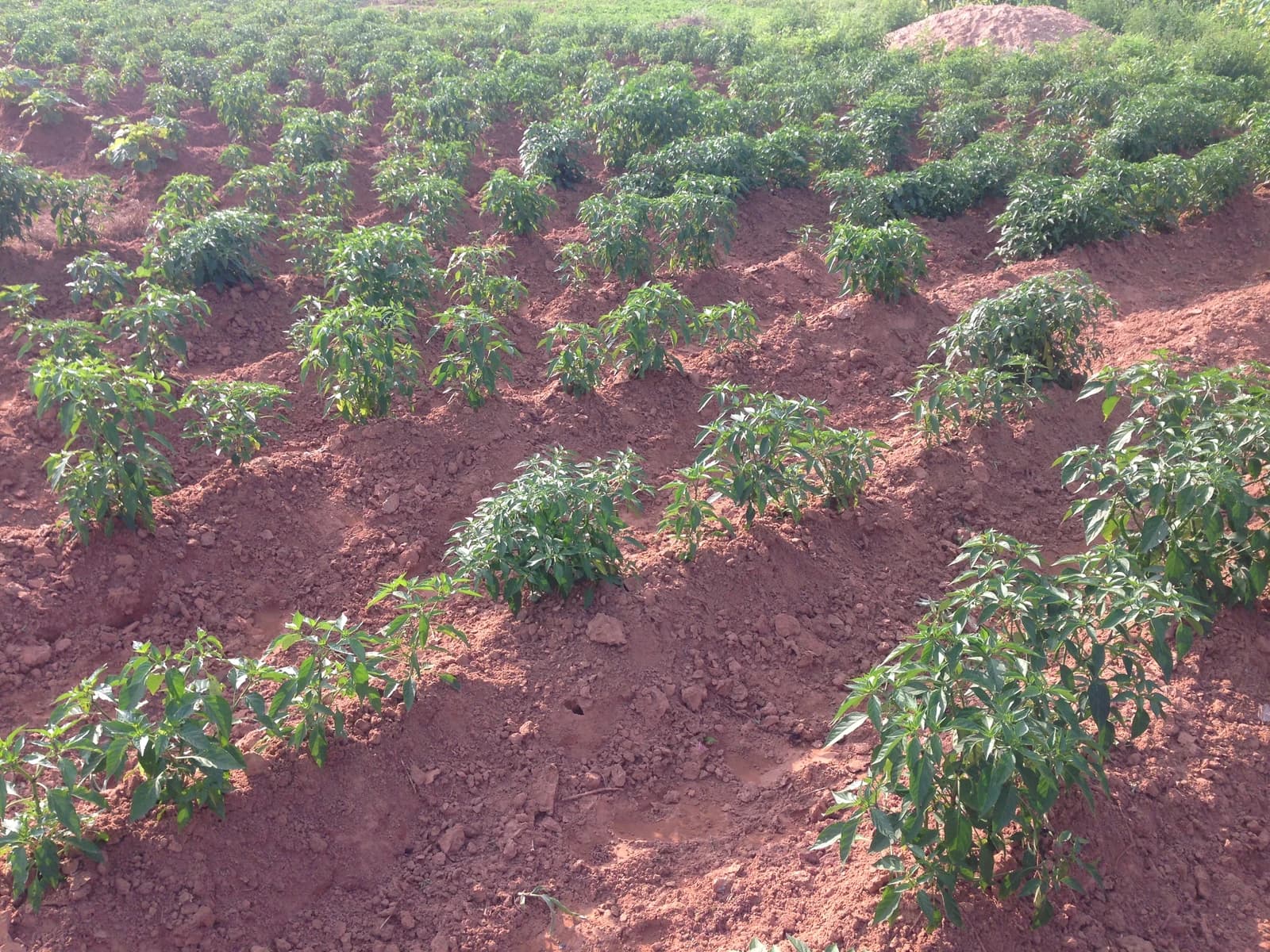
Coffee prices in Vietnam’s Central Highlands rose again on August 3 even as pepper eased slightly, underscoring a market where tight supply is still doing the heavy lifting for growers, traders and investors watching commodity-linked businesses.
The bigger story is coffee. Local prices climbed 900 to 1,000 dong per kilogram to 96,200-97,000 dong, reflecting a stronger global backdrop, shrinking inventories on the ICE exchange and a lack of ready spot supply. In plain English: there simply is not much coffee around to meet demand, and that scarcity is keeping prices supported.
That matters economically because coffee is a highly traded agricultural commodity with a supply chain that stretches from farms in Vietnam and Brazil to roasters, retailers and consumer brands around the world. When inventories tighten, costs ripple through the system. Farmers benefit from stronger farmgate prices, while buyers face higher input bills and less room to bargain. For the broader market, persistent firmness in coffee can reinforce inflation pressures in food and beverages, even if the move in a single day looks modest.
For investors, the key is that these price dynamics can flow directly into margins for coffee processors, roasters and merchants. Companies with strong sourcing networks, pricing power and hedging discipline tend to handle volatility better than those that buy on the open market with little flexibility. JVA, a small U.S. coffee roaster and dealer, is one example of a business that lives with this risk every day. Its recent filings note that coffee bean prices are volatile and can move for reasons outside management’s control, which is exactly why disciplined investors focus on the long-term quality of the business rather than trying to forecast every swing in the beans themselves.
Pepper’s small decline does not change the larger picture there, either. Prices remain elevated because export demand is holding up and supply is still constrained. That suggests agricultural markets are not seeing a broad-based easing; they are showing commodity-by-commodity tension. Coffee is the cleaner bull case today, while pepper is more of a steady, supply-backed market with less immediate upside momentum.
The long-term takeaway is straightforward: when inventories are thin and demand is resilient, commodity prices tend to stay sticky longer than many expect. That is good news for producers with product to sell, but it is a reminder to investors in food and beverage supply chains that margins can move quickly when raw-material costs are rising. This is a development worth watching, not trading around.
| Entity | Gains | Losses |
|---|---|---|
| Coffee farmers | ▲Higher farmgate prices | ▼Buyers facing tighter supply |
| Roasters and importers | ▲None in the near term | ▼Higher input costs |
| JVA | ▲Potential value from hedging | ▼Margin pressure if costs rise |
| Pepper growers | ▲Elevated price levels | ▼Short-term price dip shoppers |