Vietnam coffee prices rebound near 100,000 dong
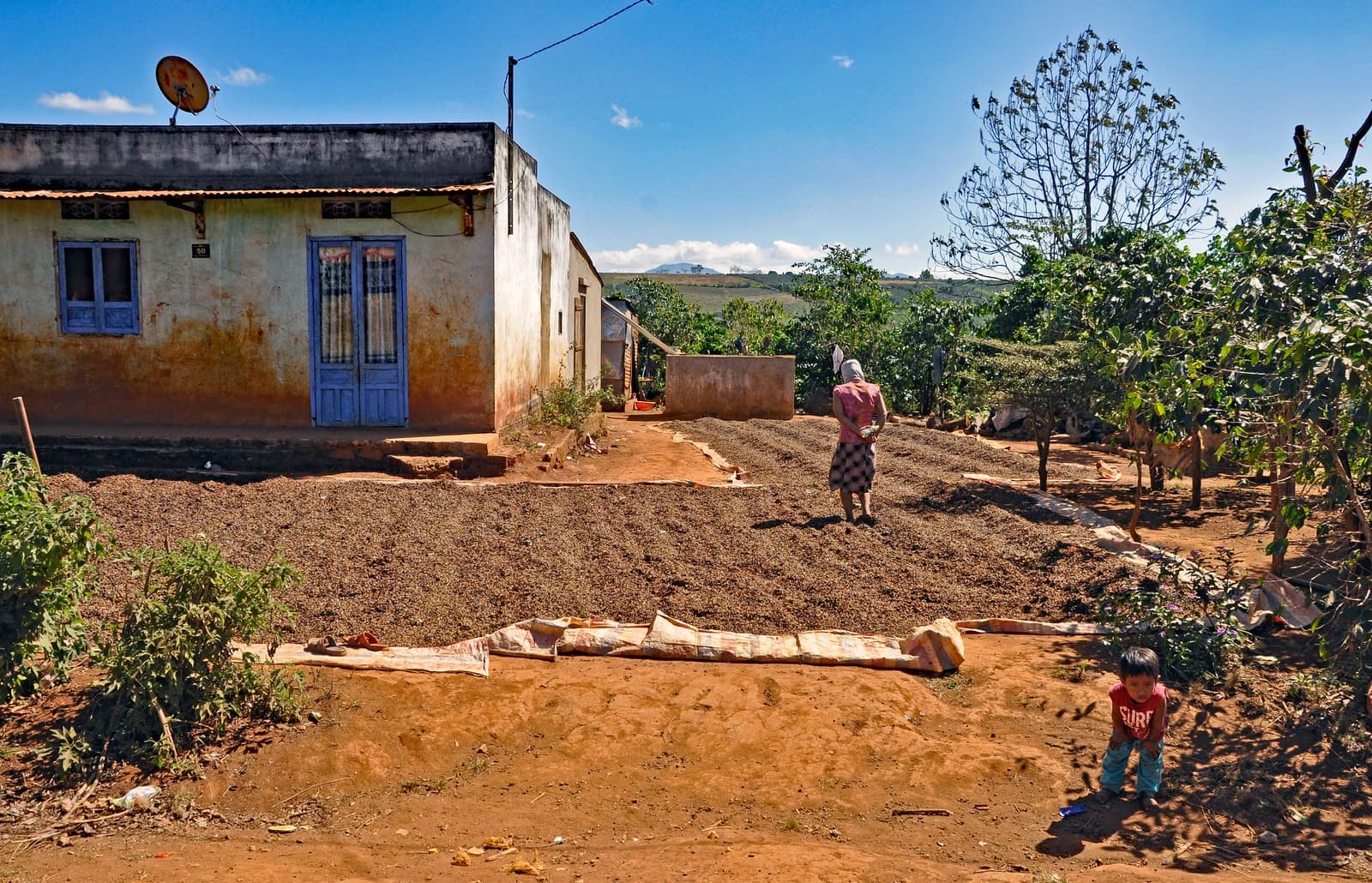
Vietnam’s domestic coffee prices climbed to just shy of 100,000 dong a kilogram on Aug. 19, extending a two-day rebound even as global robusta markets have been under pressure from abundant exports.
The recovery matters because coffee is one of Vietnam’s most important farm exports and a key source of income for growers in the Central Highlands, where pricing moves quickly feed into farmer cash flow, inventory decisions and local spending. After sliding to a three-week low below 95,000 dong/kg earlier in August, prices in some growing areas rose by 1,500 to 1,800 dong/kg to about 96,200-97,000 dong/kg, with traders citing active international buying.
That disconnect between domestic and overseas prices is the core of the story for investors and commodity buyers. Vietnamese growers appear to be holding back some supply after a sharp price correction, while export demand has remained firm enough to keep the local market near the psychologically important 100,000 dong mark. Vietnam’s July coffee shipments jumped 44.4% from a year earlier, even as export prices hit a two-year low, underscoring that volume strength can offset weaker unit pricing for now.
Pepper prices were steady, pointing to a more mixed picture across Vietnam’s agricultural complex. The steadiness in pepper suggests the coffee move is being driven more by crop-specific supply and trading flows than by a broad-based agricultural rally.
For investors, the near-term focus is whether coffee can hold these gains as international robusta trading, farmer selling and export orders continue to reset after August’s volatility. If overseas supply remains ample, the domestic rebound could stall; if stockpiling persists and demand stays resilient, prices may test the 100,000 dong/kg threshold again.
| Entity | Gains | Losses |
|---|---|---|
| Vietnamese coffee farmers | ▲Higher farmgate prices | ▼Sellers who locked in earlier |
| Coffee traders/exporters | ▲Stronger turnover | ▼Margin pressure from volatility |
| Global buyers | ▲Better supply access | ▼Higher procurement costs |
| Pepper growers | ▲Stable pricing | ▼Fewer upside reprices |