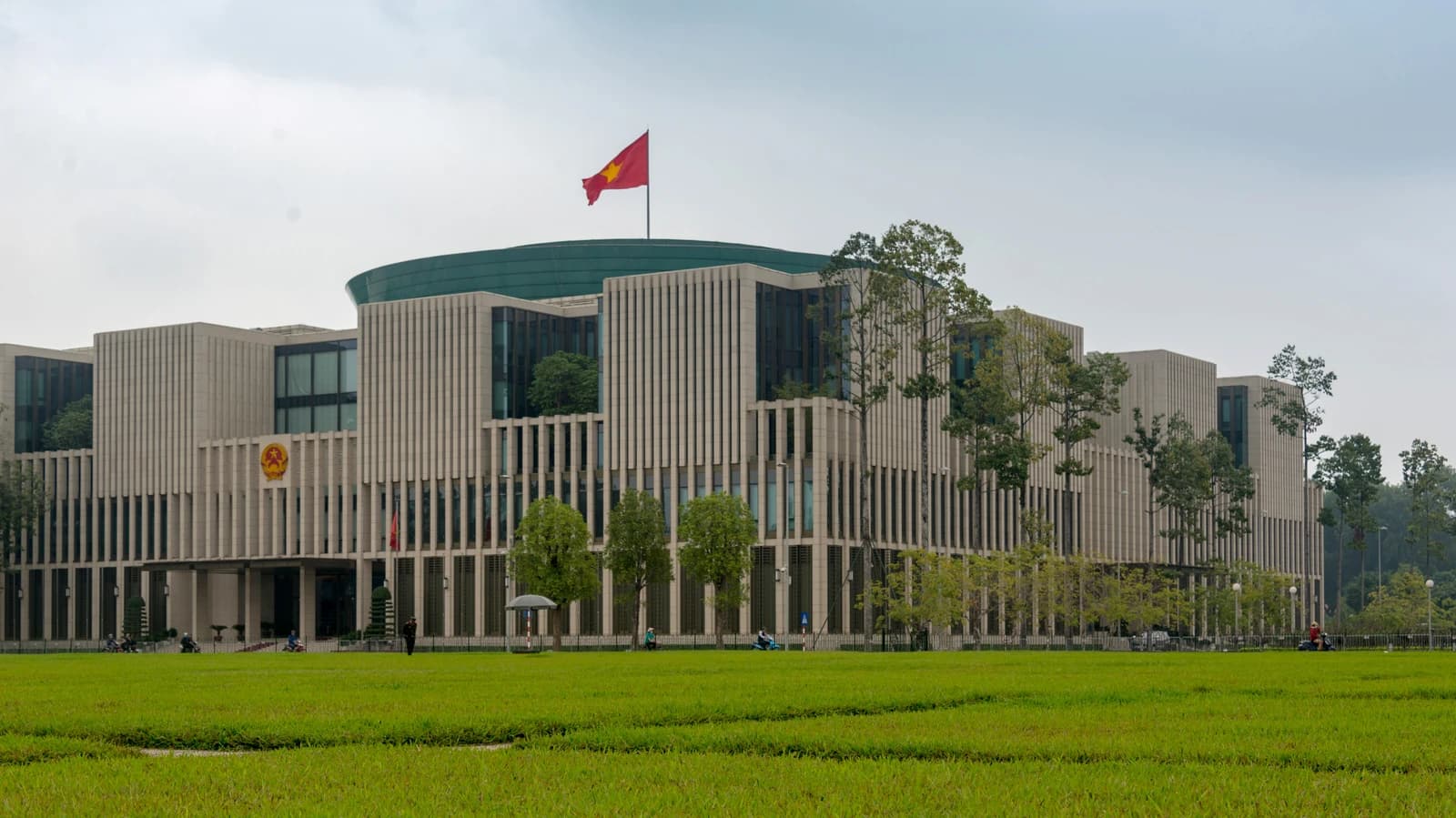
Vietnam’s ruling Front is stepping up training for local cadres as it prepares a new phase of ethnic and religious outreach, a sign Hanoi wants tighter grassroots control at a time when social media, faster information flows and administrative reform are making local governance more complex.
Vietnam Front expands local cadre training
The one-day conference in Can Tho brought together officials from the Vietnam Fatherland Front and socio-political organizations to study the Politburo and Secretariat’s latest directives on ethnic and religious affairs, while also outlining policy changes tied to national rural development, poverty reduction and a 2026-2035 program for ethnic minority and mountainous regions.
The emphasis matters economically because ethnic and religious policy in Vietnam is not just a political issue; it is tied to social stability, public service delivery and the state’s ability to execute development spending in provinces where administrative capacity is uneven. Officials at the meeting said the work has become more demanding as telecommunications and social media reshape local sentiment and make disputes or grievances harder to contain at the commune level.
For investors and businesses, the signal is that Hanoi is reinforcing the institutional machinery behind its development agenda. Better-trained local cadres can improve implementation of land, welfare and infrastructure programs, especially in regions where ethnic minorities make up a large share of the population and where bottlenecks in coordination often slow public investment and private-sector access.
Can Tho was used as the case study for that challenge. After its merger, the city now covers 6,360.83 square kilometers and has about 4.1 million residents across 103 wards and communes. It is home to 28 ethnic groups, including nearly 669,000 ethnic minority people, or 17.37% of the population, with Khmer and Hoa communities making up the largest shares. That mix gives local policy direct economic weight, because the quality of outreach affects labor participation, household income, education and the pace of poverty reduction.
The training also points to a broader shift in how the state wants the Front and mass organizations to operate: less as ceremonial intermediaries and more as front-line problem solvers. Officials said the goal is to absorb complaints earlier, improve understanding of culture and belief systems, and bring central policy into practice more quickly under Vietnam’s two-tier local government model.
The bullish case is that stronger grassroots administration could support more effective state spending and reduce social friction in sensitive areas. The bearish case is that the new demands on cadres reflect a more complicated operating environment, where rapid digital communication and rising local expectations make governance harder, not easier. For investors, the main takeaway is that Vietnam remains focused on the political and social infrastructure that underpins growth, especially in regions crucial to domestic demand, public investment and long-term development planning.
| Entity | Gains | Losses |
|---|---|---|
| Vietnam Fatherland Front | ▲stronger local reach | ▼heavier implementation burden |
| Ethnic minority communities | ▲more targeted outreach | ▼slower policy delivery if capacity lags |
| Central government | ▲greater social stability | ▼higher administrative pressure |
| Investors in Vietnam | ▲improved policy execution | ▼risk from local bottlenecks |