Vietnam Courts Huawei, CCCC, CEEC on Infrastructure
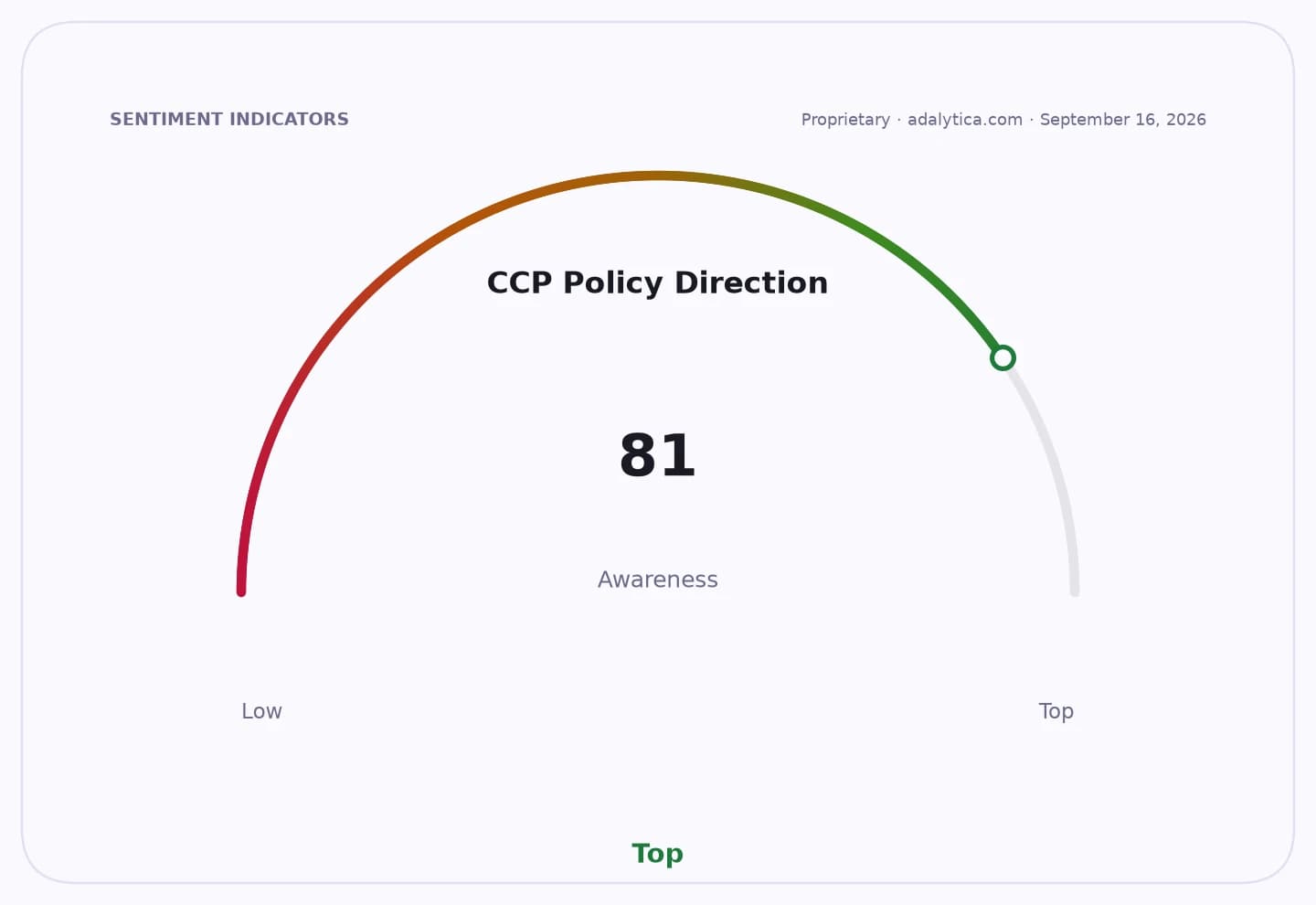
Vietnam is stepping up efforts to draw major Chinese groups into the parts of its economy most critical to long-term growth — digital infrastructure, transport and power — in a move that could accelerate investment but also deepen its exposure to geopolitical crosscurrents.
The message, delivered by Deputy Prime Minister Pham Gia Tuc in meetings in Nanning, was straightforward: Hanoi wants Chinese companies with scale, capital and engineering depth to move beyond selling equipment and into co-developing projects inside Vietnam. That includes Huawei in AI, 5G, cloud computing, data centres and green energy; China Communications Construction Co. in rail, ports and logistics; and China Energy Engineering Corp. in power generation, grid expansion and energy storage.
For Vietnam, the economics are clear. The country is trying to sustain industrial growth while avoiding bottlenecks in electricity, logistics and digital capacity that could limit foreign direct investment and raise costs for manufacturers. Faster build-out of transmission lines, storage, ports and rail links would support the country’s export base and its push into higher-value manufacturing and digital services. It would also help Vietnam plug a familiar weakness: infrastructure has repeatedly lagged industrial expansion, leaving congestion and power constraints as recurring drags on productivity.
Huawei’s pitch fits Vietnam’s current needs. The company said it is willing to expand cooperation in green energy, storage solutions and AI applications across the economy, while Hanoi urged it to propose concrete projects and train local talent. That matters because Vietnam’s next phase of growth depends not just on imported hardware but on local capability in software, data infrastructure and advanced telecoms. A shift from equipment sales to joint R&D and co-development would be more valuable for Vietnam’s technology base, though it would also require careful management of security and sanctions risk given the company’s global profile.
The infrastructure and power discussions were even more consequential. CCCC said it wants to expand in rail, ports, logistics, green energy and large-scale projects, including the Lào Cai-Hanoi-Hải Phòng railway corridor, while CEEC proposed deeper cooperation in renewable power, gas-fired generation and transmission. Those are sectors where Vietnam needs outside expertise and financing, and where Chinese contractors often have the fastest execution capabilities and the lowest financing costs. If Hanoi can turn the talks into bankable projects, the immediate winners would be domestic supply chains, construction activity and industrial zones linked to northern export corridors.
Investors should read this as a policy signal more than a single-company story. Vietnam is broadening its roster of infrastructure partners at a time when global capital is cautious, supply-chain diversification is still pulling manufacturing into Southeast Asia and Beijing is looking for regional outlets for its engineering and industrial capacity. That creates opportunity for Chinese contractors, power equipment suppliers and digital vendors, but it also raises execution and geopolitical risks. Any larger Chinese role in strategic infrastructure could face scrutiny from Western investors, local regulators and security hawks, even as it improves the odds that stalled projects get built.
For markets, the near-term implication is that Vietnam is trying to convert diplomatic openness into real asset creation: roads, ports, grids, rail lines, data centres and AI infrastructure. The long-term test will be whether these discussions produce projects that ease supply constraints and improve returns on invested capital, or whether they remain another round of industrial diplomacy. The next catalyst is whether Vietnamese ministries and the Chinese groups can agree on specific pilot projects, financing structures and timelines.
| Entity | Gains | Losses |
|---|---|---|
| Vietnam infrastructure sector | ▲Faster project pipeline | ▼Higher geopolitical scrutiny |
| Huawei | ▲Access to digital-energy projects | ▼Security and sanctions concerns |
| CCCC and CEEC | ▲New rail, port and power contracts | ▼Policy and execution risk |
| Domestic manufacturers/exporters | ▲Better logistics and power supply | ▼Competition for local contractors |