Vietnam expands insurance coverage for traditional medicine

Vietnam is moving to widen health-insurance reimbursement for traditional medicine, a policy shift that could redirect more of the country’s healthcare spending toward local remedies and lower out-of-pocket costs for patients.
The Health Ministry is seeking comment on a draft circular that would add 129 traditional medicines to the insurance-covered list, lifting the catalog to 358 items from 229 now. It also proposes a separate list of 35 drugs that combine pharmaceutical ingredients with medicinal materials, with reimbursement set by indication, ratio and treatment period.
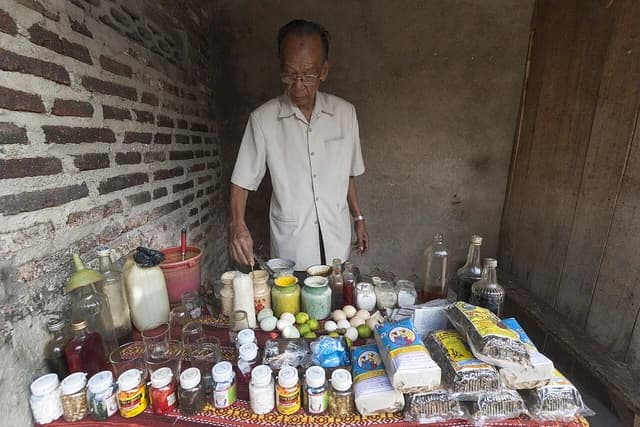
That matters economically because drug spending already accounts for more than 31% of Vietnam’s health insurance fund, yet traditional medicine still takes only about 5.4% of total drug reimbursement, or roughly 3,160 billion dong. The government’s broader traditional medicine program wants that share to rise to at least 20% by 2025 and 30% by 2030, underscoring how far current spending remains from policy goals.
For investors, the policy points to a bigger structural market for herbal and hybrid therapies, along with more predictable demand for suppliers, distributors and hospital systems that can process reimbursed prescriptions. The winners are likely to be domestic traditional-medicine producers and clinics positioned to meet insurance criteria; the losers are patients paying cash today, and imported drug makers that could lose some share at the margin.
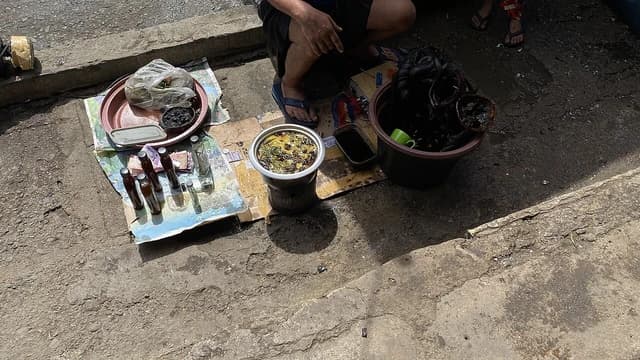
The draft also broadens reimbursement beyond exact naming conventions, meaning products listed under different extracts, preparations or processed forms may still qualify. That reduces administrative friction and could improve uptake across hospital and primary-care channels, especially for conditions ranging from stroke recovery and diabetic eye disease to digestive disorders, angina and arrhythmia prevention.
The Ministry says Vietnam handles about 195 million insured visits a year, with total annual spending above 160 trillion dong, so even a modest reallocation of claims would be meaningful. The policy is also part of a wider effort to strengthen traditional medicine services, which officials say still face uneven quality, weak referral systems and limited access at local clinics.
I believe the market is underestimating how much this can do for the traditional-medicine supply chain over the next several years. If reimbursement becomes easier and broader, usage should rise from a small base, creating a long runway for companies and healthcare providers exposed to Vietnam’s healthcare reform cycle. Investors should watch for domestic beneficiaries tied to reimbursed herbal products and hospital networks that can capture the new demand early.
| Entity | Gains | Losses |
|---|---|---|
| Domestic traditional-medicine makers | ▲More reimbursed demand | ▼Reliance on policy rollout |
| Patients and insurers | ▲Lower out-of-pocket costs | ▼Higher claims volume |
| Imported drug makers | ▲— | ▼Some share to local remedies |
| Hospital systems with traditional-medicine capacity | ▲More insured volume | ▼Compliance and admin burden |