Vietnam LNG Buildout Tied to Russia Energy Cooperation
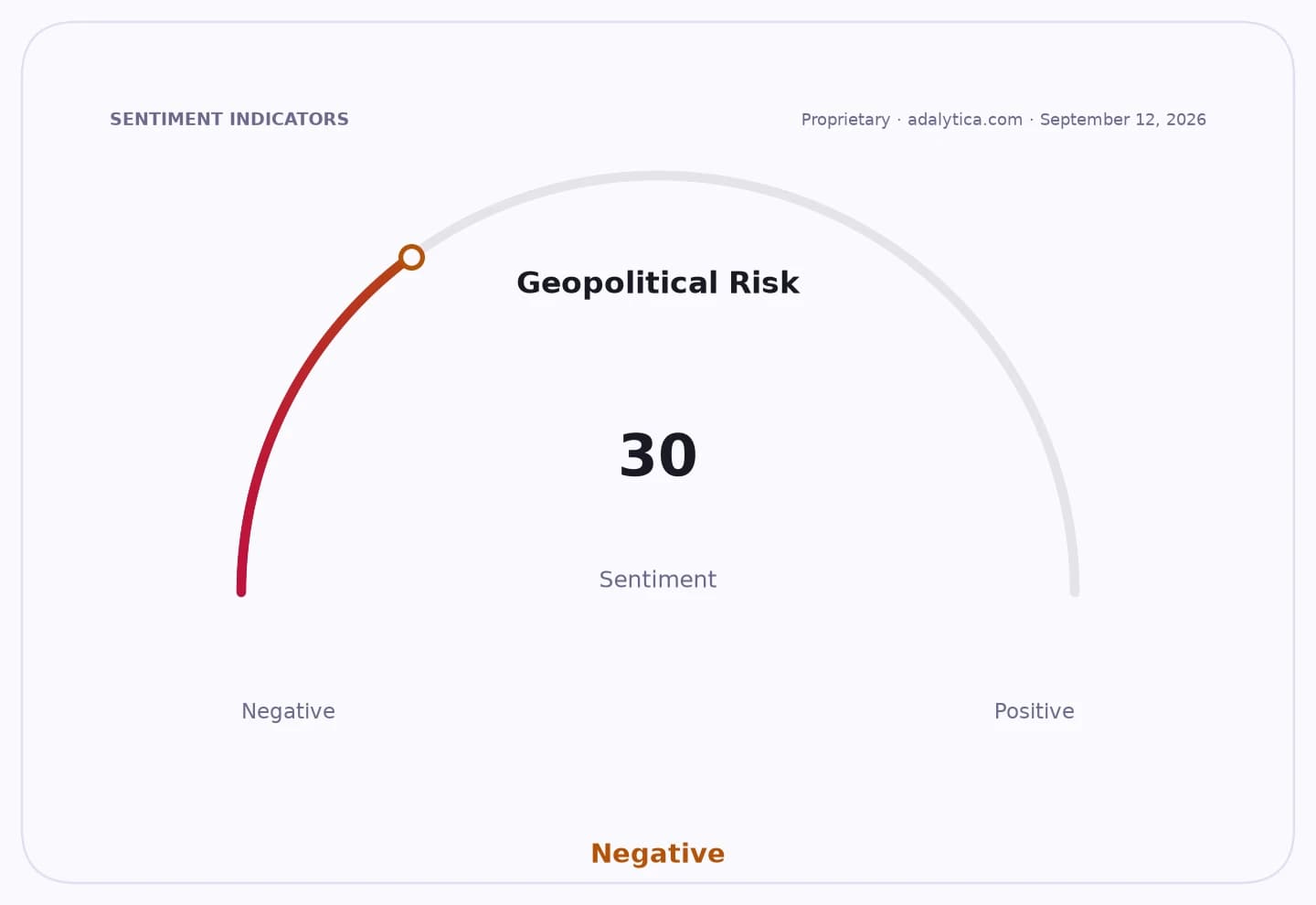
Vietnam’s move to deepen energy cooperation with Russia could reshape how the country secures fuel for power generation, with PetroVietnam launching projects that point to a bigger LNG buildout just as global oil and gas markets remain volatile and financing costs stay elevated.
For investors, the significance is straightforward: Vietnam is trying to lock in energy supply at a time when Southeast Asia’s gas demand is rising faster than domestic production, and that creates a longer runway for LNG infrastructure, shipping, upstream services and the oil majors with scale in frontier markets. It also underscores how geopolitics is increasingly steering capital into energy security, not just into the hydrocarbons themselves.
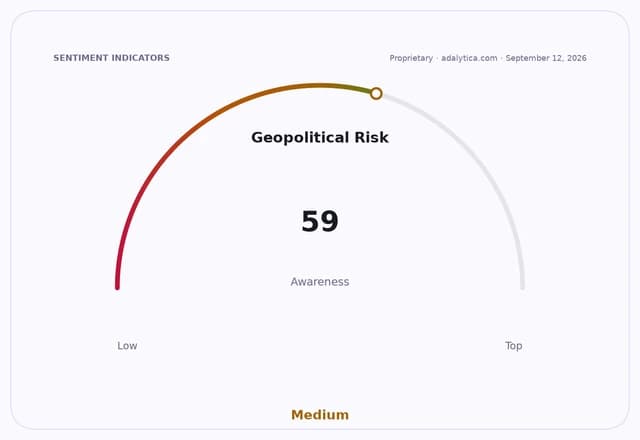
Crude prices are hovering near $97 a barrel, while the 10-year Treasury yield is close to 4.95%, a combination that keeps the cost of energy projects high and makes state-backed partnerships more important. In that setting, the willingness of Vietnam and Russia to cooperate in oil, gas and LNG is less a diplomatic footnote than a financing and supply-chain signal: big projects will likely need sovereign support, long-dated contracts and partners willing to absorb political risk.
That is why the story matters beyond Vietnam. LNG is becoming a strategic asset class across Asia as governments seek to diversify away from coal and reduce exposure to spot-market shocks. Adalytica’s natural gas market signals are flashing greed, suggesting traders are already leaning into the theme, while global stability sentiment has sunk into fear. That gap between market appetite and geopolitical unease is where the opportunity sits.
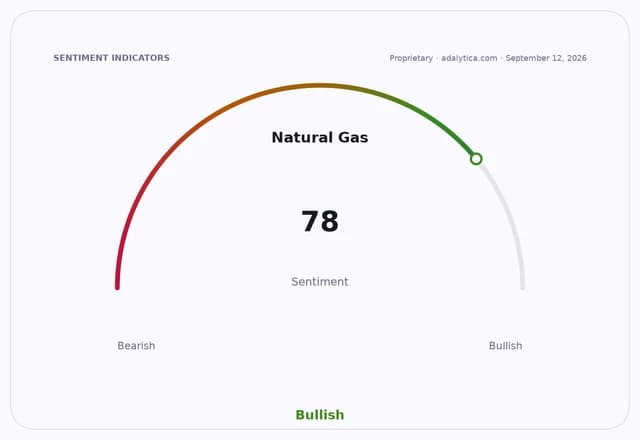
The likely winners are the companies and service providers tied to liquefaction, import terminals, tankers and long-duration gas supply. Large-cap energy names such as Chevron and Occidental, along with LNG shipping and infrastructure plays, benefit from any incremental Asian demand that tightens the market and supports project sanctioning. Vietnam’s push also fits a broader pattern: countries are no longer just buying molecules, they are buying optionality, and that means more terminals, more pipelines and more of the capital-spending cycle that follows.
The market is still underestimating how durable this investment wave can be. If PetroVietnam follows through, the next catalyst will be concrete project awards, LNG import commitments and financing structures that bring in foreign partners. For investors, the takeaway is to focus on the picks-and-shovels of the LNG buildout, because that is where the asymmetric upside sits as Asia’s energy security trade gathers force.
| Entity | Gains | Losses |
|---|---|---|
| PetroVietnam | ▲project pipeline growth | ▼import dependence risk |
| LNG infrastructure builders | ▲new contracts | ▼delayed capex |
| Russia | ▲energy export access | ▼Western isolation |
| Spot LNG sellers | ▲stronger demand | ▼pricing volatility |