Vietnam Real Estate Ties Growth to Hospitality
Vietnam’s hospitality sector is being used as the launchpad for a broader real estate reset, with developers and investors leaning into branded residences, wellness-led projects and sustainability as the country tries to extend tourism strength into housing and commercial property.
That matters because Vietnam has been one of the strongest hospitality markets globally, drawing both foreign visitors and capital even as global uncertainty clouds many markets. The shift now is whether that demand can spill over into residential and mixed-use assets, where margins, pricing power and asset values can all be lifted if the new models take hold.
The conversation will come into focus at MTE Hanoi 2026, the country’s largest real estate and hospitality conference, where executives from Savills Hotels, STR CoStar, SSI Securities, PropertyGuru Vietnam, Masterise Group, Sun Group, T&T Hospitality, Accor, The Ascott and others will discuss how global trends are reshaping the market’s next development cycle.
Key themes include affordable condotels, branded residences, all-inclusive resorts and multi-experiential entertainment complexes, alongside infrastructure changes and the emergence of new real estate hotspots. The event is also expected to examine how AI and sustainability are feeding into project design, asset management and business strategy across hospitality and commercial property.
For investors, the narrative is straightforward: Vietnam’s hotel boom is no longer just a travel story, but a valuation story for developers, operators and landlords able to package lifestyle, wellness and mixed-use demand into higher-yield assets. That benefits groups positioned in premium hospitality and branded residential development, while leaving traditional commodity housing and undifferentiated projects under pressure to compete on price.
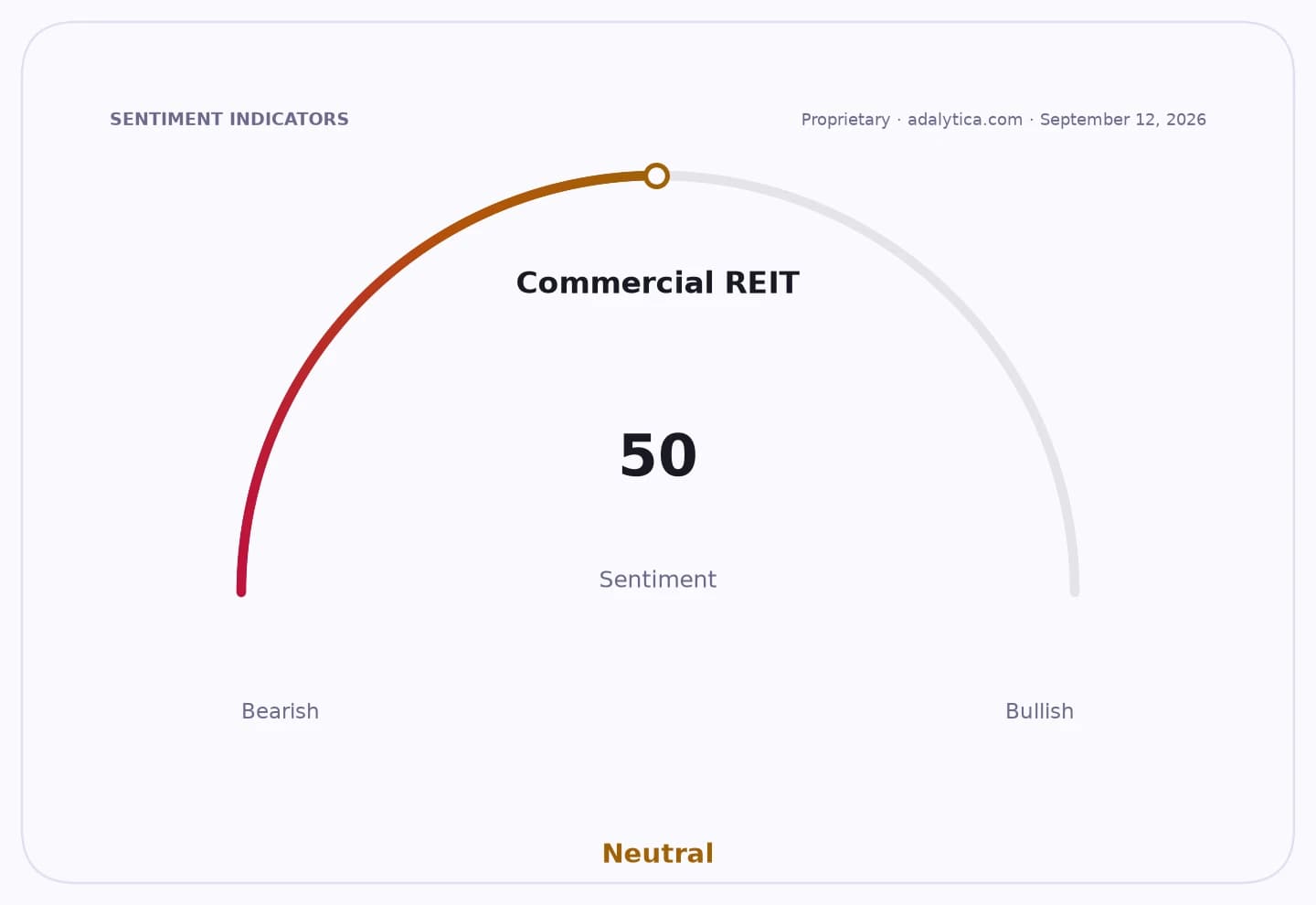
The backdrop is mixed for listed property names. VNQ, a proxy for commercial real estate exposure, has been drifting below its 50-day moving average and its RSI sits near oversold territory, underscoring weaker near-term momentum even as the sector’s long-term growth case remains intact. RHP has also eased from recent highs, reflecting that investors are still waiting for proof that hotel-led demand can translate into broader property cash flow.
The next test is execution: whether Vietnam can turn conference talk into bankable projects, infrastructure support and repeatable demand in the next development cycle.
| Entity | Gains | Losses |
|---|---|---|
| Branded residences developers | ▲Higher pricing power | ▼Generic housing builders |
| Hotel operators | ▲More demand-linked assets | ▼Purely cyclical owners |
| Investors in Vietnam real estate | ▲Growth and yield upside | ▼Undifferentiated property bets |
| Commercial REITs like VNQ | ▲Sector visibility | ▼Weak near-term momentum |