Vietnam rice prices slip as Philippines imports rise
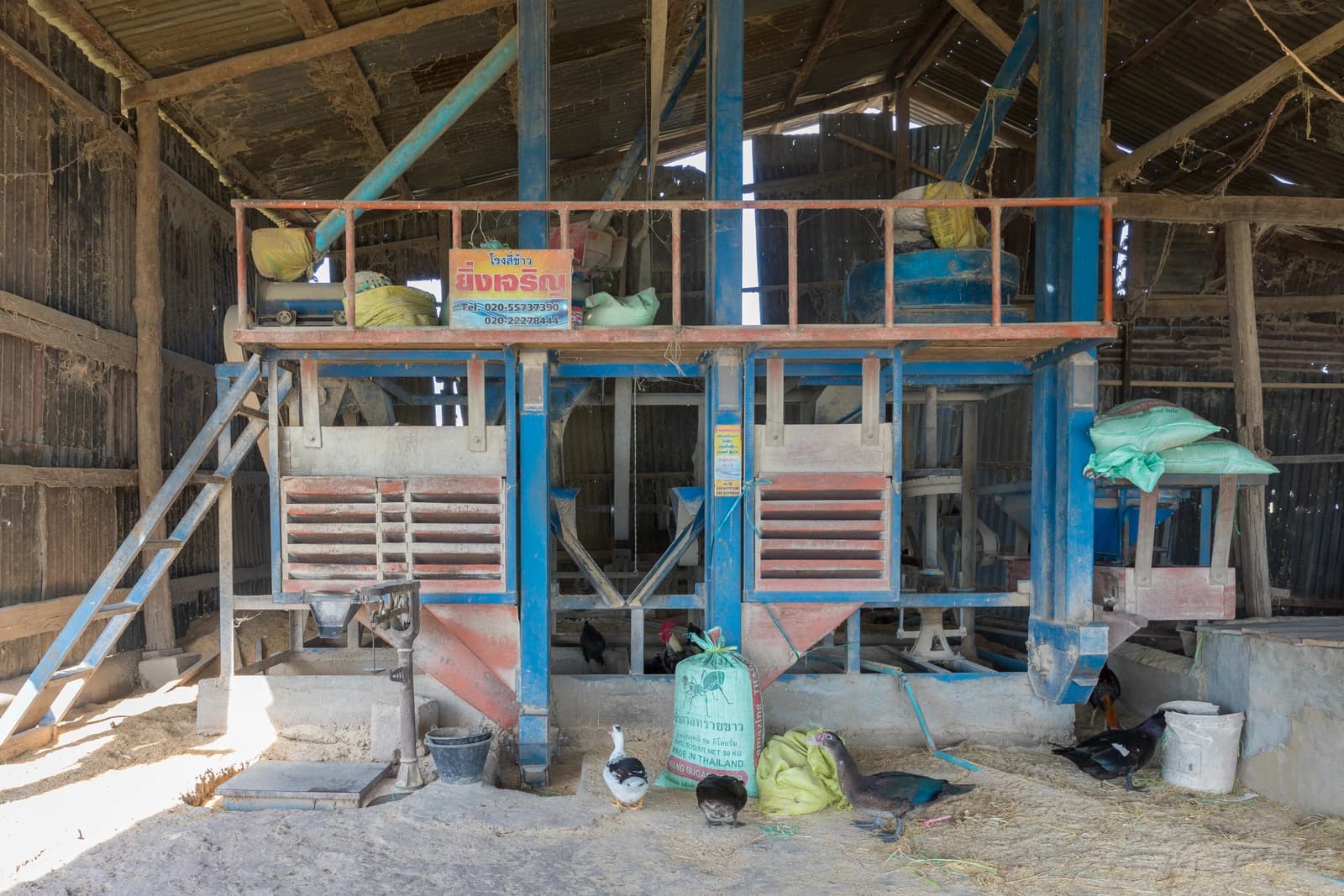
Fresh paddy prices in Vietnam slipped 100 VND per kilogram after the holiday, underscoring a market that is being pulled between strong import demand from the Philippines and soft buying at home.
That matters because rice is not just an agricultural commodity in Southeast Asia; it is a food-price anchor, a farm-income driver and a politically sensitive import bill. In Vietnam’s Mekong Delta, fresh OM 34 rice fell to 5,800-5,900 VND/kg, while OM 18 and Dai Thom 8 eased to 6,500-6,700 VND/kg, OM 5451 to 6,400-6,500 VND/kg and IR 50404 to 6,200-6,400 VND/kg. Milled rice prices were largely unchanged, suggesting the move was more about spot farmgate pressure than a broad collapse in regional pricing.
The bigger story is in Manila. The Philippine agriculture department says the country may import as much as 5 million tons of rice this year, a record and nearly 4% above 2024’s previous high, as El Niño threatens domestic output. By mid-August, imports had already reached 3.46 million tons, topping last year’s full-year total, with Vietnam supplying 2.56 million tons, or 74% of the total. That makes Vietnam the key swing supplier in a market where even modest price moves can affect export margins, warehouse throughput and farmer liquidity.
For investors, the message is that the rice trade is no longer just a weather story — it is a policy-and-inventory story. Vietnam’s export quotes remain firm, with Jasmine at $534-$538 a ton, 5% broken fragrant rice at $470-$480 and white 5% broken at $438-$442, but the domestic weakness shows traders are reluctant to chase supplies higher until there is more clarity on post-holiday demand and stock absorption. Thailand’s white 5% broken rice is still quoted above Vietnam’s, while India and Pakistan remain cheaper, keeping the global export market intensely competitive.
The investment angle is straightforward: the market underestimates how much Southeast Asian rice flows are being shaped by climate risk, food security policy and import-stockpiling behavior. A record Philippine buying cycle supports regional exporters and logistics players, but it also raises the odds of tighter government intervention if domestic prices rise too quickly. At the same time, buy-side investors should watch for beneficiaries in Vietnam’s milling, storage, and agribusiness supply chain, as well as any further volatility in grain-linked ETFs and food inflation proxies if El Niño worsens into the fourth quarter.
The next catalyst is whether Manila follows through on its import target and whether Vietnam’s farmgate prices stabilize as harvest flows continue. If they do, the current dip in fresh rice prices may prove temporary — a buying opportunity in a market where food security, not just supply and demand, is setting the tone.
| Entity | Gains | Losses |
|---|---|---|
| Vietnam exporters | ▲Higher shipment volumes | ▼Margin pressure from weaker farmgate prices |
| Philippine consumers | ▲Better supply security | ▼Higher import dependence |
| Vietnamese farmers | ▲Inventory relief if exports accelerate | ▼Lower fresh paddy prices |
| Competitors: Thailand, India, Pakistan | ▲Potential spillover demand | ▼Share loss to Vietnam in Philippines trade |