Vietnam Russia parliament talks on trade and investment
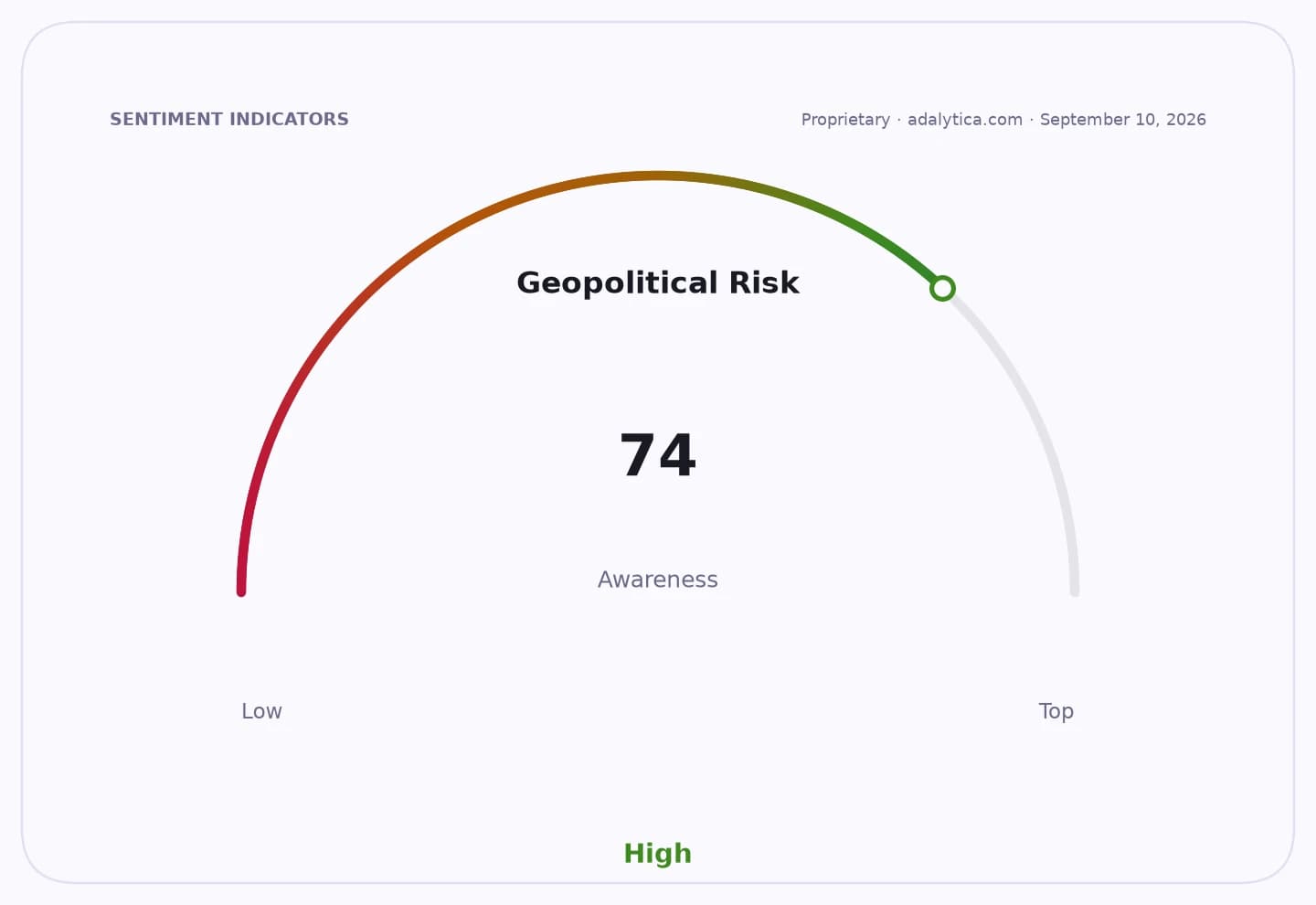
Vietnam and Russia are using parliamentary diplomacy to deepen a long-running strategic partnership, with both sides signaling support for closer coordination on trade, investment and legal frameworks that could unlock more concrete business ties.
The immediate significance is political, but the economic angle is clear: Hanoi and Moscow want lawmakers to help turn high-level commitments into bankable projects across commerce, tourism, education and local-government partnerships. For investors, that matters because parliamentary backing can speed implementation, reduce legal friction and improve the odds that agreements announced by leaders and governments translate into contracts and cross-border activity.
At a meeting in Moscow on Sept. 8 with Valentina Matvienko, president of Russia’s Federation Council, Vietnam’s Communist Party chief and state president Tô Lâm called for a “new stage” in bilateral ties that would be deeper, more substantial and more effective. Matvienko said the upper house of parliament firmly supports the consolidation and development of the two countries’ comprehensive strategic partnership.
The two sides said they want to intensify exchanges between legislative leaders, specialist committees, friendship groups, young parliamentarians and women lawmakers. They also pledged to strengthen follow-up on agreements already reached by political leaders and governments, a sign that both capitals see the legislative track as a way to keep bilateral cooperation moving despite a difficult international environment.
The meeting also points to a push for broader regional and local links. Tô Lâm and Matvienko said local authorities and businesses should identify practical projects in trade, investment, tourism, education, culture and people-to-people exchanges. That could matter for companies and provincial economies looking for alternative partners, especially as Russia remains isolated from many Western markets and Vietnam continues to diversify its external relationships.
The agenda was not limited to economics. Both leaders backed tighter coordination in regional and international parliamentary forums and said they would continue mutual support in multilateral mechanisms in favor of dialogue, peace, stability and sustainable development. Tô Lâm also said Vietnam supports a stronger role for parliamentary diplomacy in promoting trust and resolving regional and international issues under international law.
For markets, the story is less about an immediate trading catalyst than about policy continuity and geopolitical positioning. Any improvement in the legal and institutional framework for cooperation could help support future deals, while the emphasis on education, culture and tourism broadens the relationship beyond traditional state-to-state energy and defense ties.
The next watchpoint is whether the parliamentary commitments lead to specific follow-up agreements, especially on business, investment and local-level projects, or remain largely diplomatic signaling as Russia seeks to preserve strategic partnerships and Vietnam balances ties with major powers.
| Entity | Gains | Losses |
|---|---|---|
| Vietnam | ▲Broader market access and investment channels | ▼Slower deal execution if follow-up stalls |
| Russia | ▲Diplomatic support and Asian partnership depth | ▼Continued limits from international isolation |
| Businesses in both countries | ▲Easier legal and political coordination | ▼Uncertainty if agreements stay symbolic |
| Western counterparties | ▲— | ▼Potentially less influence in Vietnam-Russia ties |