Vietnam Stocks Near 200-Day Average on Fed Pause Thesis
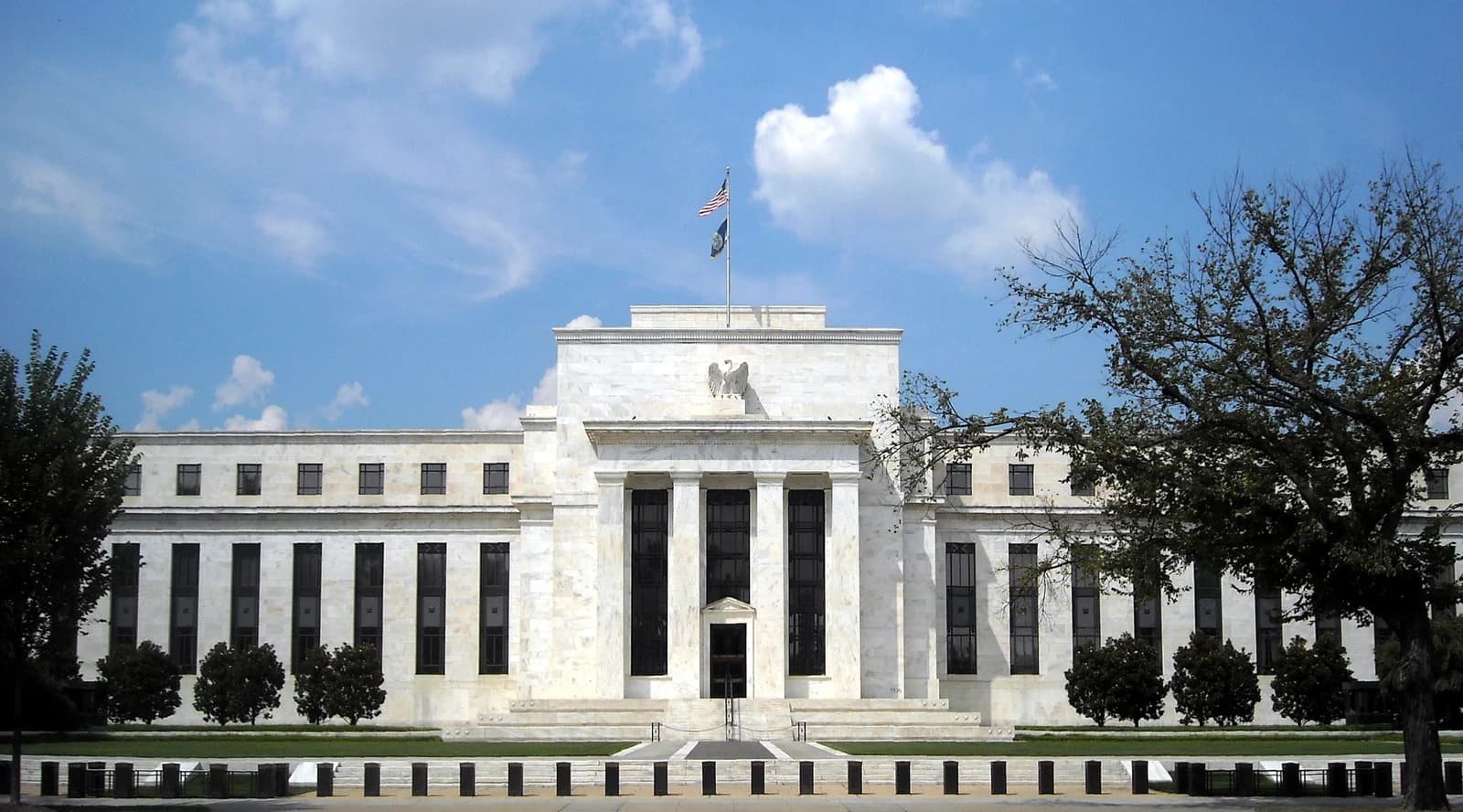
Vietnamese stocks tend to perform best when the Federal Reserve leaves interest rates unchanged, because a pause usually takes the edge off dollar volatility, steadies global liquidity and gives emerging-market risk assets room to rebound.
That matters for Vietnam because the market sits at the intersection of foreign capital flows, export demand and domestic credit growth. When the Fed is on hold, investors are not just betting on cheaper money later; they are pricing a slower rise in U.S. yields and a more stable dollar, two conditions that often improve appetite for frontier and emerging Asian equities. The latest U.S. backdrop still shows the 10-year Treasury yield near 4.66% to 4.68% and the two-year yield around 4.47%, levels that keep global capital selective, but the Fed funds rate has been pinned at 3.63%, signaling the central bank is already in pause mode. That is enough to matter for a market like Vietnam, where foreign inflows can swing sentiment quickly.
The thesis is simple: when the Fed stops tightening, the market tends to look past U.S. policy risk and back into higher-beta growth stories. Vietnam remains one of the cleaner beneficiaries in Asia because it offers a mix of manufacturing relocation, export-linked earnings and domestic consumption upside. That makes it a natural trade for investors seeking exposure to a softer-dollar, lower-rate world without paying U.S. mega-cap valuations.
VNM’s recent price action shows how much the market still cares about the global rate backdrop. The stock closed at 16.98 on July 31, below its 200-day moving average of 18.24 and 50-day moving average of 17.9, with an RSI reading of 42.7 and a mildly positive MACD crossover. In other words, the chart is still damaged, but not broken. The shares plunged to 16.54 on July 29 before recovering to 17.37 the next day, suggesting traders are looking for a macro catalyst rather than a company-specific one. If the Fed keeps rates unchanged again, that catalyst may be enough to pull capital back into Vietnam and other ASEAN proxies.
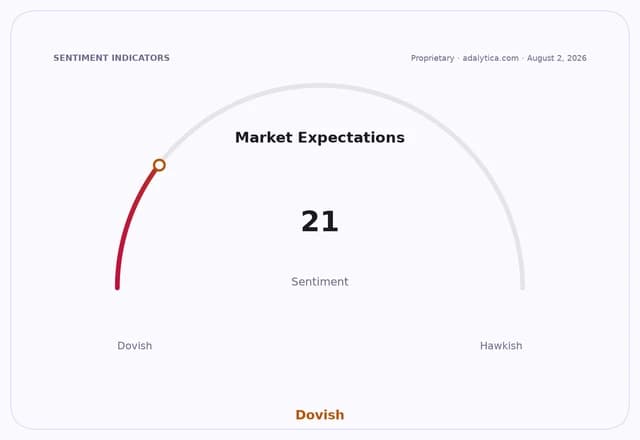
The bigger opportunity is not in chasing the index blindly, but in positioning for the second-order beneficiaries of a Fed pause. Banks, industrial exporters, logistics names and domestic consumption plays can all catch a bid if foreign money rotates back into Vietnam. The market underestimates how quickly sentiment can improve when U.S. policy uncertainty fades, especially after a period of intense fear around rate decisions. Adalytica’s market-expectation gauge on Fed decisions still shows fear at 21, even as awareness remains extreme, which tells me traders are still nervous and underpositioned for a stable-policy scenario.
For investors, that creates an asymmetric setup. A no-change Fed decision does not have to trigger a giant rally in U.S. stocks to help Vietnam; it only needs to keep the dollar from breaking out and preserve the case for capital rotation into cheaper, faster-growing markets. With SPY still showing extreme greed and the dollar trade signal also firm, the crowded trade remains in U.S. assets. That is exactly why Vietnam can work: it is under-owned, macro-sensitive and levered to any easing in global financial conditions.
If you want the cleanest expression, buy Vietnam exposure on Fed pauses, not on Fed cuts. The cut itself often arrives after the market has already re-rated risk assets. The pause is where the real inflection starts.
| Entity | Gains | Losses |
|---|---|---|
| Vietnam stocks | ▲Foreign inflows | ▼Rate-hike spillover |
| Exporters | ▲Dollar stability | ▼Stronger U.S. yields |
| U.S. dollar bulls | ▲Carry support | ▼Fed pause expectations |
| Fed pause trade | ▲Risk appetite | ▼Tight-liquidity fears |