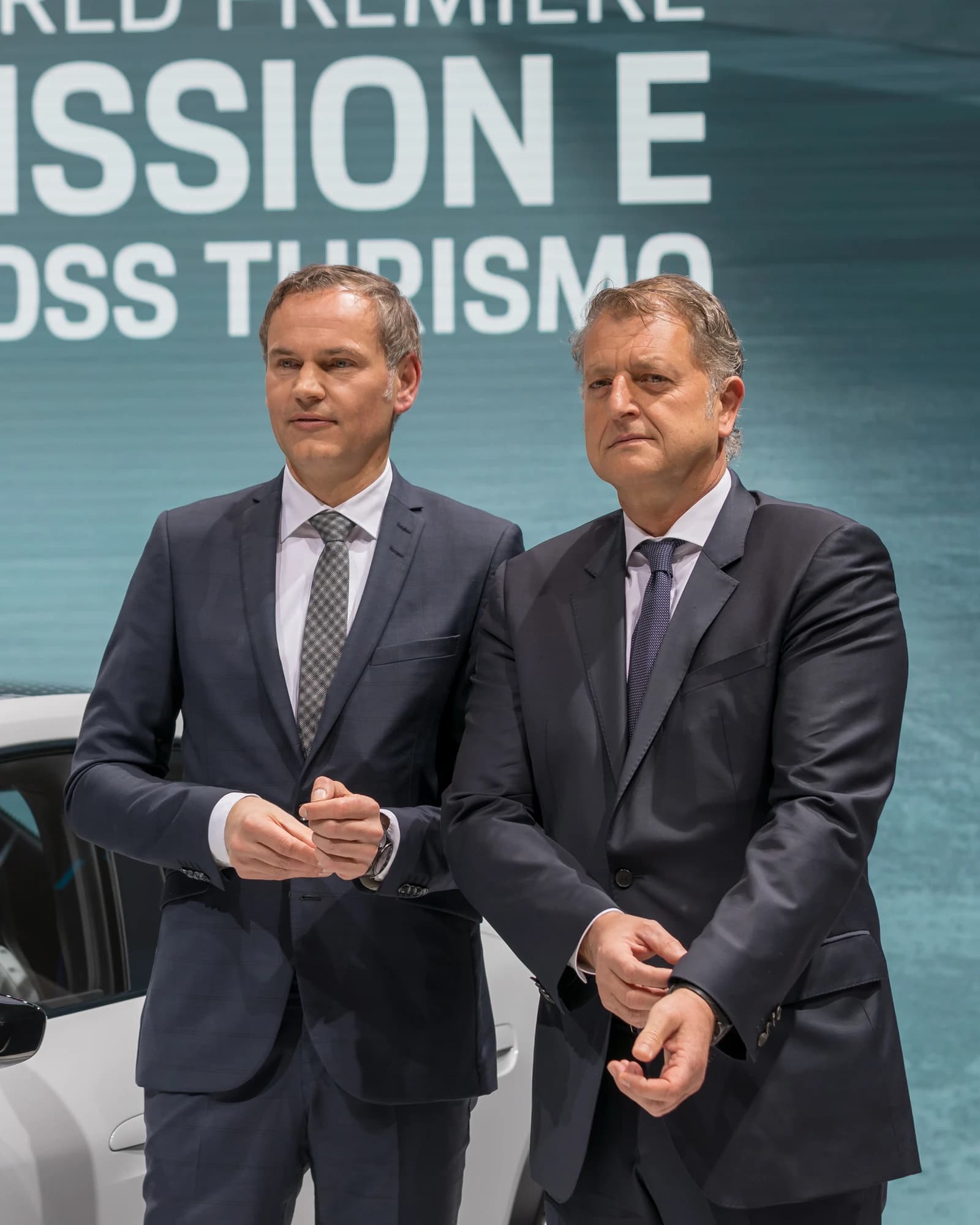
Volkswagen’s move to cut about 50,000 jobs by 2030 is deepening anxiety inside Germany’s biggest carmaker and putting fresh pressure on its turnaround plan, with employees fearing more pain as management tries to defend margins in a brutal auto market.
Volkswagen plans 50,000 job cuts by 2030
The restructuring, approved by the supervisory board, marks one of Volkswagen’s most sweeping austerity steps in years. It comes after failed talks with labor representatives and the state of Lower Saxony, and it spans key brands including Porsche, Audi and Lamborghini, underscoring how far the cost reset now reaches across the group.
Sentiment IndicatorsⓘProprietary · adalytica.com · September 5, 2026
This is a snapshot — live sentiment, awareness and momentum for 130+ markets update continuously in the dashboard.Open AlphaPulse
For the German economy, the plan is a warning sign for a sector already under strain from weak demand, high costs and a costly shift to electric vehicles. The cuts are also politically sensitive because they hit a flagship industrial employer in a country where manufacturing jobs remain central to growth, wages and regional stability.
Investors tend to welcome aggressive restructuring when it protects cash flow, but the scale of the cuts also shows how much pressure Volkswagen is under to simplify operations and reduce overhead. That matters for margins, capital spending and the company’s ability to compete with faster-moving rivals, especially as investors continue to scrutinize European auto valuations and the pace of the EV transition.
Volkswagen shares on the OTC market have been volatile, with the U.S.-listed ADR recently trading at $9.43, up from $8.15 in late June but still well below its 200-day moving average of about $10.04. Conventional technical indicators show the stock’s RSI at 67.2, suggesting a recent run-up that could leave the shares vulnerable if labor resistance escalates or the restructuring runs into delays.
IG Metall is expected to push back hard, and further negotiations or legal challenges could still affect timing and implementation. The next market test will be whether Volkswagen can turn the job cuts into durable savings without triggering a wider labor fight that complicates the company’s recovery.
| Entity | Gains | Losses |
|---|---|---|
| Volkswagen management | ▲Lower cost base | ▼Labor backlash |
| VW shareholders | ▲Margin repair hopes | ▼Execution risk |
| IG Metall workers | ▲Negotiating leverage | ▼Job security |
| Rivals in autos | ▲Talent spillover | ▼Less relevant |