Volkswagen Job Cuts, Defense Pivot, VWAGY Gains
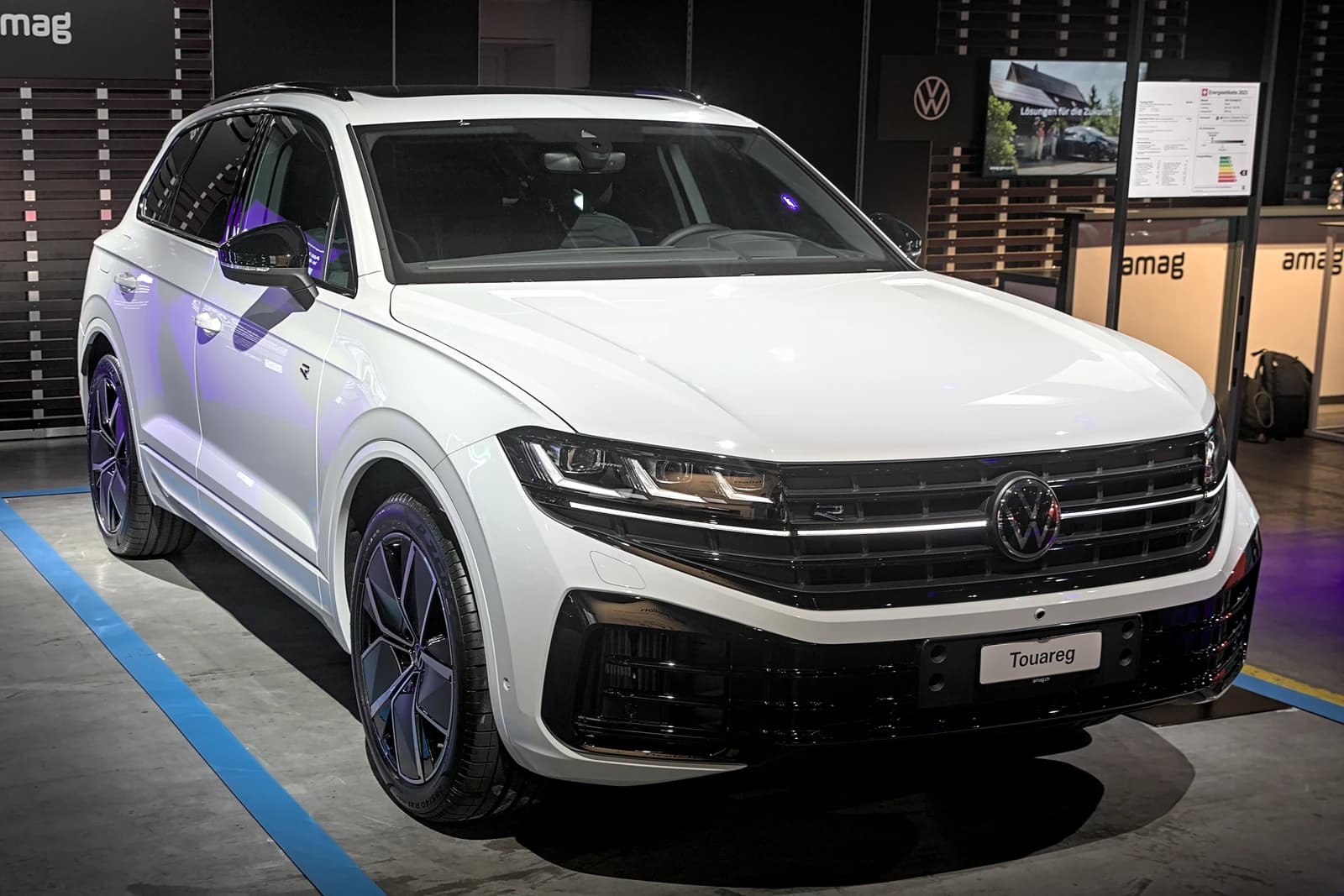
Volkswagen is suddenly getting the kind of investor attention it has spent years trying to earn: a credible path to lower costs, leaner factories and new revenue streams beyond a brutally cyclical auto market.
The catalyst is a sweeping restructuring plan that includes 50,000 job cuts and a push into defense-related production, including converting capacity for weapons manufacturing through a partnership with an Israeli company. That matters because Europe’s biggest automaker is not just trimming expenses — it is trying to reprice its own future in an industry where excess labor, weak pricing power and heavy electric-vehicle spending have crushed returns.
For shareholders, the appeal is straightforward. Volkswagen has long looked like a value trap: cheap on paper, but burdened by fixed costs, soft demand and strategic drift. A serious workforce reduction changes that equation. If management can permanently lower the company’s break-even point, even modest improvements in volumes or pricing can create outsized earnings leverage. That is exactly the kind of operating inflection point the market tends to reward before the numbers fully show up.
The defense angle adds another layer. Europe’s rearmament cycle is becoming a real capital-allocation theme, and investors are increasingly looking for industrial companies that can turn spare manufacturing capacity into higher-margin government or security-linked work. Volkswagen is not becoming a defense prime, but the market does not need that. It only needs evidence that old-world industrial assets can be repurposed into faster-growing, politically supported cash-flow sources.

The stock has already responded, with VWAGY moving up sharply as traders begin to price in a more disciplined capital structure. Technical readings also show the shares reclaiming their 50-day moving average in recent trading, while broader market sentiment remains under pressure, with Adalytica’s S&P 500 trade signals showing “Extreme Fear.” In that kind of tape, investors tend to favor real cash-flow resets and asset revaluation stories over long-duration promises.
Tesla’s mixed trading underscores the contrast. Tesla remains a high-multiple narrative stock tied to future products and contentious execution risk, while Volkswagen is offering something more immediate: cost cuts, factory utilization and a tangible path to margin repair. In a market hungry for proof rather than projection, that is a meaningful distinction.
I believe the market is still underestimating how powerful a genuine restructuring can be when it lands on a globally recognized industrial franchise. If Volkswagen follows through, the story stops being about a legacy automaker struggling to adapt and starts becoming a multi-year turnaround with defense optionality, better margins and a much cleaner earnings base.
For investors, the takeaway is simple: Volkswagen is no longer just a cheap cyclical. It is becoming a restructuring and industrial-repurposing play, and that creates asymmetric upside if management executes. The next catalyst will be whether these cuts translate into sustained margin improvement and whether the defense pivot can move from headline to revenue.
| Entity | Gains | Losses |
|---|---|---|
| Volkswagen | ▲Lower costs, higher flexibility | ▼Legacy labor structure |
| Shareholders | ▲Earnings leverage, rerating potential | ▼Near-term execution risk |
| European defense suppliers | ▲New industrial capacity, more contracts | ▼Traditional auto-only factories |
| Tesla | ▲Relative focus stays on VW turnaround | ▼Comparison on valuation narrative |