Volkswagen Unveils New Seven-Seat SUV
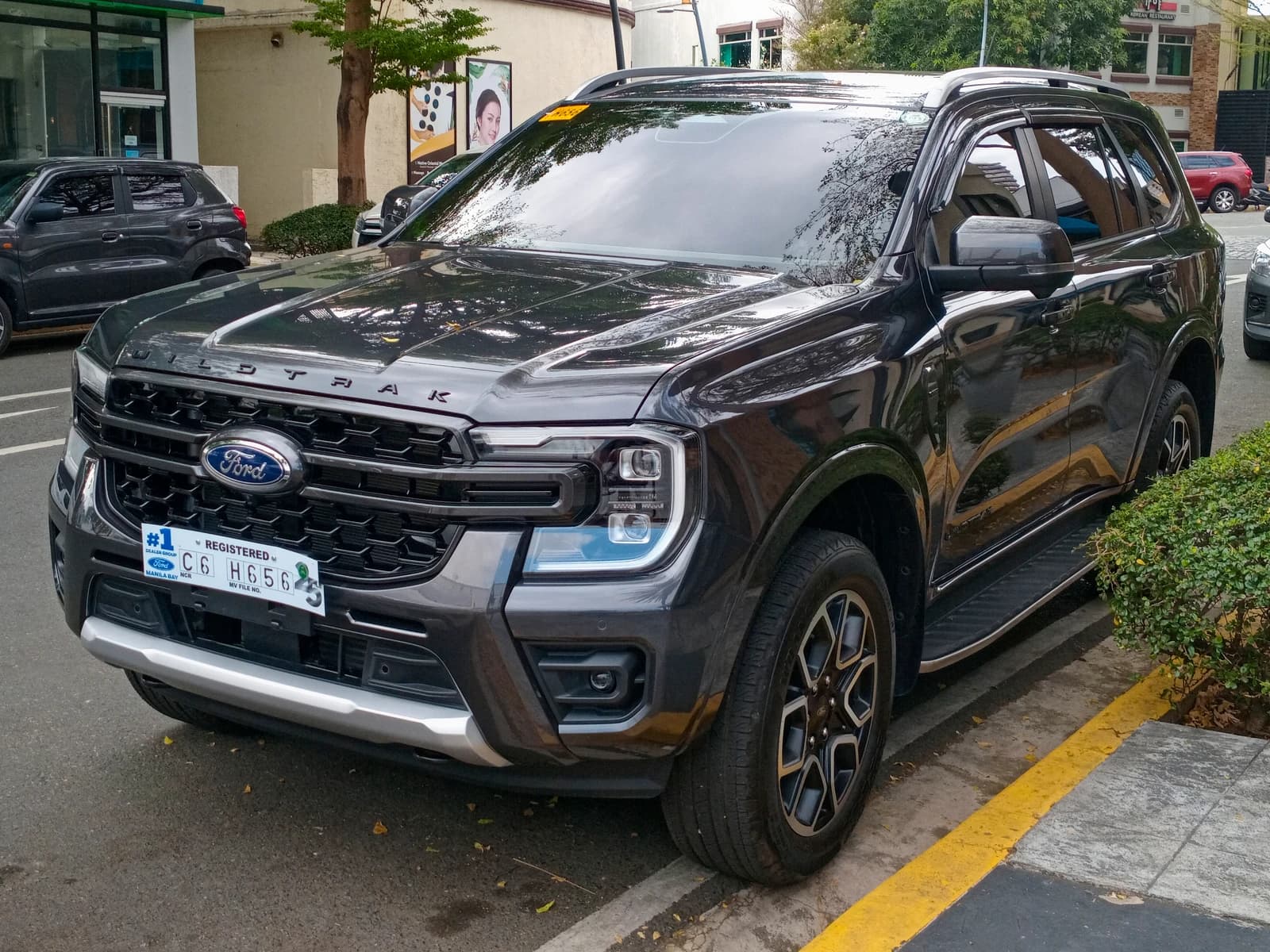
Volkswagen has unveiled a new seven-seat SUV aimed squarely at the Toyota Fortuner and Ford Everest, giving the German automaker a fresh entry into one of the world’s most competitive family-and-off-road vehicle segments.
The launch matters because large SUVs remain a high-margin battleground for global automakers, particularly in markets where buyers want one vehicle that can serve as both a family hauler and a status symbol. For Volkswagen, a stronger position in three-row SUVs offers a route to improve mix and defend share against Japanese and US rivals that have dominated the segment.
The model is being positioned against the Fortuner, one of Toyota’s most established ladder-frame SUVs, and Ford’s Everest, another benchmark in the category. That puts Volkswagen into direct competition with vehicles that already have strong brand recognition, loyal buyers and proven demand in markets from Asia to Australia and the Middle East.
Investor interest centers on whether Volkswagen can translate the reveal into volume growth without sacrificing margins. New SUVs typically carry better pricing power than small cars, and they matter more now as automakers lean on higher-value models to offset soft spots in EV demand and pressure on legacy combustion portfolios.
The broader market backdrop shows the segment is still expanding. Mahindra’s XUV 7XO has already sold 70,000 units in seven months, underscoring how quickly a well-timed SUV launch can gain traction when it meets demand for space, versatility and road presence.
Competitors are also pushing harder. Toyota, Mitsubishi, Hyundai and Kia are all rolling out or preparing new SUV variants, while hybrid and electric options are becoming part of the pitch as manufacturers try to widen appeal and meet tightening efficiency expectations.
Volkswagen shares on the US market have been mixed but recently showed some stabilization, with VWAGY closing at $9.04 on Aug. 31, above its 50-day moving average of $8.63, while remaining below its 200-day moving average. Toyota’s US-listed shares closed at $196.54, still below their 200-day moving average, while Ford ended at $13.94, near its 50- and 200-day averages.
For investors, the key question is whether the new SUV becomes a real growth driver in a crowded field or just another model in an already saturated lineup. The next catalyst will be pricing, launch timing and whether Volkswagen can secure the kind of market acceptance that has allowed rivals to turn three-row SUVs into durable profit engines.
| Entity | Gains | Losses |
|---|---|---|
| Volkswagen | ▲New SUV entry; potential margin uplift | ▼Execution risk; crowded segment |
| Toyota Fortuner | ▲Category attention; benchmark status | ▼Faces fresh rival pressure |
| Ford Everest | ▲Established SUV demand | ▼Shares spotlight with new entrant |
| SUV buyers | ▲More choice; feature competition | ▼Possible price pressure as rivals fight for share |