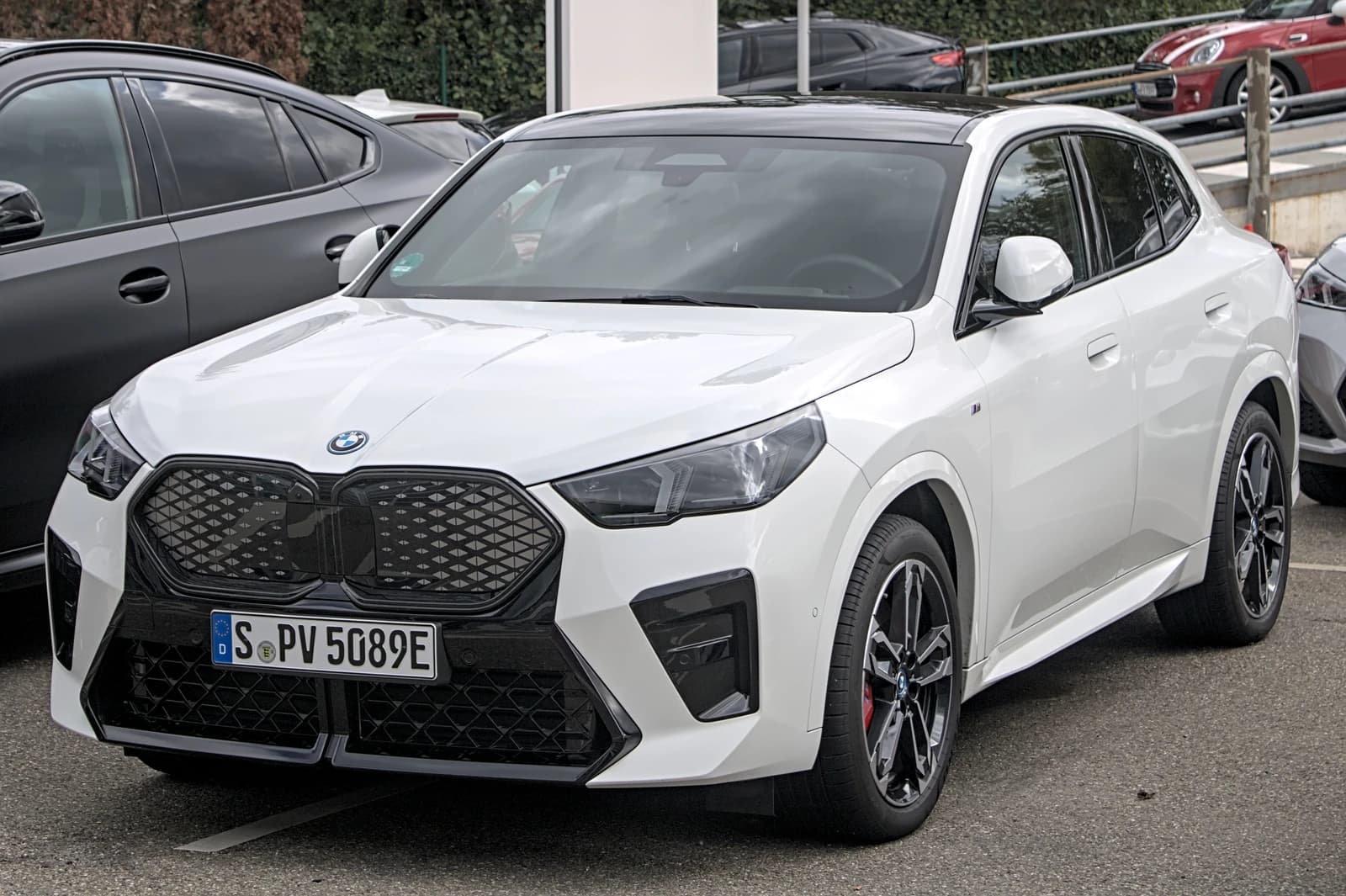
Volvo Cars is deepening its bet on software-defined vehicles and lower-cost EV manufacturing, extending its collaboration with NVIDIA while laying out a new SPA3 architecture that will underpin the EX60 and future models.
Volvo Cars deepens NVIDIA tie with SPA3 EV platform

That matters because Volvo is no longer treating chips, data and centralized computing as features bolted onto a car; it is recasting them as the operating system of the business. If the strategy works, it could give the Swedish automaker a clearer path to higher margins, faster feature rollouts and a more durable competitive edge in premium electric vehicles, where software and battery efficiency are becoming as important as styling and range.

At the center of the plan is a move from the current EX90 architecture, built around NVIDIA DRIVE Orin, to NVIDIA DRIVE Thor later this decade. Volvo said Thor will bring up to 1,000 TOPS of compute, roughly four times the processing power of Orin and with seven times better energy efficiency, enabling more advanced driver-assistance features, safer autonomous functions and generative AI experiences inside the cabin.
The company is also widening the relationship beyond in-car hardware. Volvo’s software arm Zenseact will use NVIDIA DGX systems to train AI models for autonomous driving, building what Volvo says will become one of the Nordic region’s largest internal AI training data centers. For investors, that is not just an engineering detail — it signals a higher-intensity, capital-heavy race to own the software stack before rivals can commoditize the hardware underneath it.
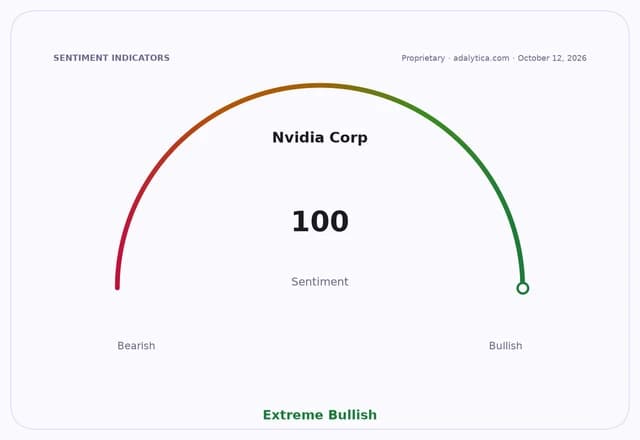
Nvidia Corp — 30-day sentimentadalytica.com
Explore this data interactively — full history, time series and cross-market comparisons.Open AlphaPulse
The bigger shift may be SPA3, Volvo’s next-generation electric platform and the basis for the EX60. Volvo says the architecture will be far more scalable than SPA2, allowing it to support vehicles larger than the EX90 and smaller than the EX30 on the same technological core. That kind of modularity is where the investment case gets more interesting: fewer bespoke programs, more shared components, lower development complexity and less capex volatility tied to each model launch.
In plain terms, Volvo is trying to industrialize premium EVs the way tech companies industrialize software. A single “Superset” technology stack should let the company reuse hardware and software across models, push updates over time and improve cars after sale rather than freezing value at the point of delivery. That could reduce production costs through shared batteries, electric motors, megacasting and centralized computing, while also improving cash flow by spreading investment across a broader fleet.
The market should pay close attention to the second-order beneficiaries. NVIDIA stands to keep winning as automakers move deeper into centralized computing and AI training, reinforcing its position as the pick-and-shovel supplier to automotive AI. Volvo, meanwhile, is trying to turn a historically low-margin industry into a more software-like business with recurring upgrade potential and a tighter cost structure.
There is execution risk, of course. Building cars around a common software-and-hardware core is easier to announce than to deliver, and the payoff depends on Volvo’s ability to scale the system across trims, regions and price points without new quality issues. But the strategic direction is clear: the automaker believes the next competitive advantage in EVs will come from compute, not just battery size.
For investors, that makes Volvo worth watching as a potential early indicator of where premium EV economics are headed, and NVIDIA remains the cleaner way to play the compute layer behind that transformation. The real opportunity is not in any single model launch, but in the industrialization of AI-enabled mobility itself.
| Entity | Gains | Losses |
|---|---|---|
| NVIDIA | ▲More automotive compute demand | ▼Less dependence on a few end markets |
| Volvo Cars | ▲Lower costs, faster software updates | ▼Higher execution burden |
| Legacy bespoke suppliers | ▲Fewer one-off programs | ▼More platform standardization |
| Premium EV competitors | ▲Industry software benchmark | ▼Differentiation pressure |