Volvo Shares Slip on Premium EV Demand Concerns
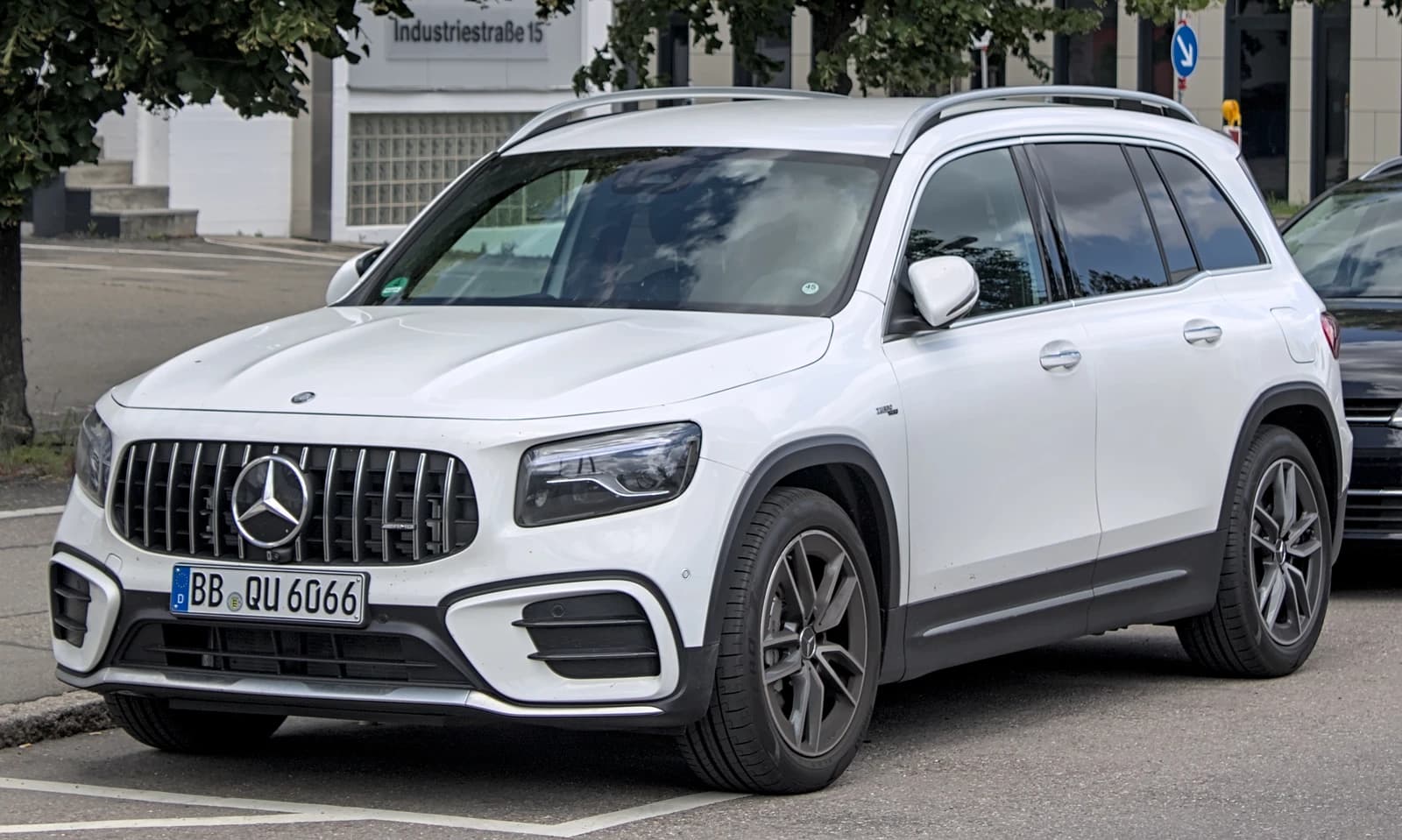
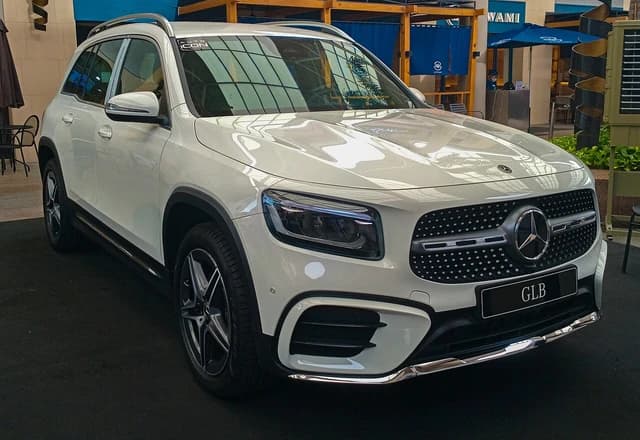
The premium electric-SUV market is moving from novelty to price discipline, and that is the real story behind comparisons of the BMW iX3, Mercedes GLB and Volvo EX60. Buyers are no longer judging 500 hp family SUVs only on range and acceleration; they are asking whether the extra performance justifies the jump in price at a time when EV demand is uneven, financing costs remain elevated and investors are increasingly sensitive to margins.
That matters economically because the electric SUV segment has become a key profit pool for European automakers. Big, expensive EVs typically carry more technology content, larger batteries and higher sticker prices, but they also face a tougher resale and demand environment than mainstream combustion models. If buyers decide that the high-output versions are indulgences rather than necessities, manufacturers may have to lean harder on lower-trim variants, fleet incentives or software-led features to protect volume. That would pressure average selling prices and raise questions about how quickly premium brands can convert EV investment into durable earnings.
The market backdrop is hardly reassuring. Adalytica’s S&P 500 Trade Signals show extreme fear, underscoring how quickly sentiment can sour when investors worry about growth, rates and valuation. In that kind of environment, discretionary purchases are tested more harshly, and the “more power, more price” pitch becomes harder to defend. For automakers, especially those trying to fund electrification while preserving cash flow, the gap between a compelling family SUV and an overpriced halo product can decide whether a launch adds volume or simply adds inventory.
The technical picture for Volvo’s stock, a proxy for investor appetite toward premium EV execution, reflects that tension. The shares closed at $35.12 on Sept. 2, below the recent 50-day moving average of $35.85 and off a 2026 high of $37.25 in early February. RSI readings in the mid-40s suggest neither strong momentum nor outright exhaustion, while the MACD has slipped back below its signal line, a sign that enthusiasm has cooled after a strong run earlier this year. That does not point to distress, but it does indicate that investors are waiting for proof that premium EV products can sustain demand without heavy discounting.
For BMW, Mercedes and Volvo, the key question is not whether the 500 hp versions are technically impressive. It is whether they can command enough of a premium to offset battery costs and support brand positioning in a market where practical range, charging speed and total cost of ownership matter more than peak output. The strongest case for the higher-powered cars is that wealthy buyers still pay for differentiation and that premium EVs need headline models to anchor showrooms and residual values. The bear case is that the industry is still overestimating how much consumers will pay for performance they rarely use.
That makes the comparison test economically relevant far beyond the auto pages. It is a read on whether premium EVs are becoming a mass-market product with premium pricing, or a niche where only the most disciplined value proposition wins. Investors will be watching not just launch reviews and initial order books, but whether makers resist the temptation to chase volume through incentives — because in this segment, the winner may be the car that best balances range, comfort and price, not the one with the largest horsepower figure.
| Entity | Gains | Losses |
|---|---|---|
| BMW, Mercedes, Volvo | ▲Premium EV credibility | ▼Margin pressure if pricing slips |
| Buyers of base trims | ▲Better value choices | ▼Less status than top-spec models |
| 500 hp variants | ▲Halo appeal | ▼Scrutiny over high price |
| Investors in automakers | ▲Clarity on demand | ▼Risk of discount-led sales |