VOO and QQQ Draw Inflows as Oil Rises
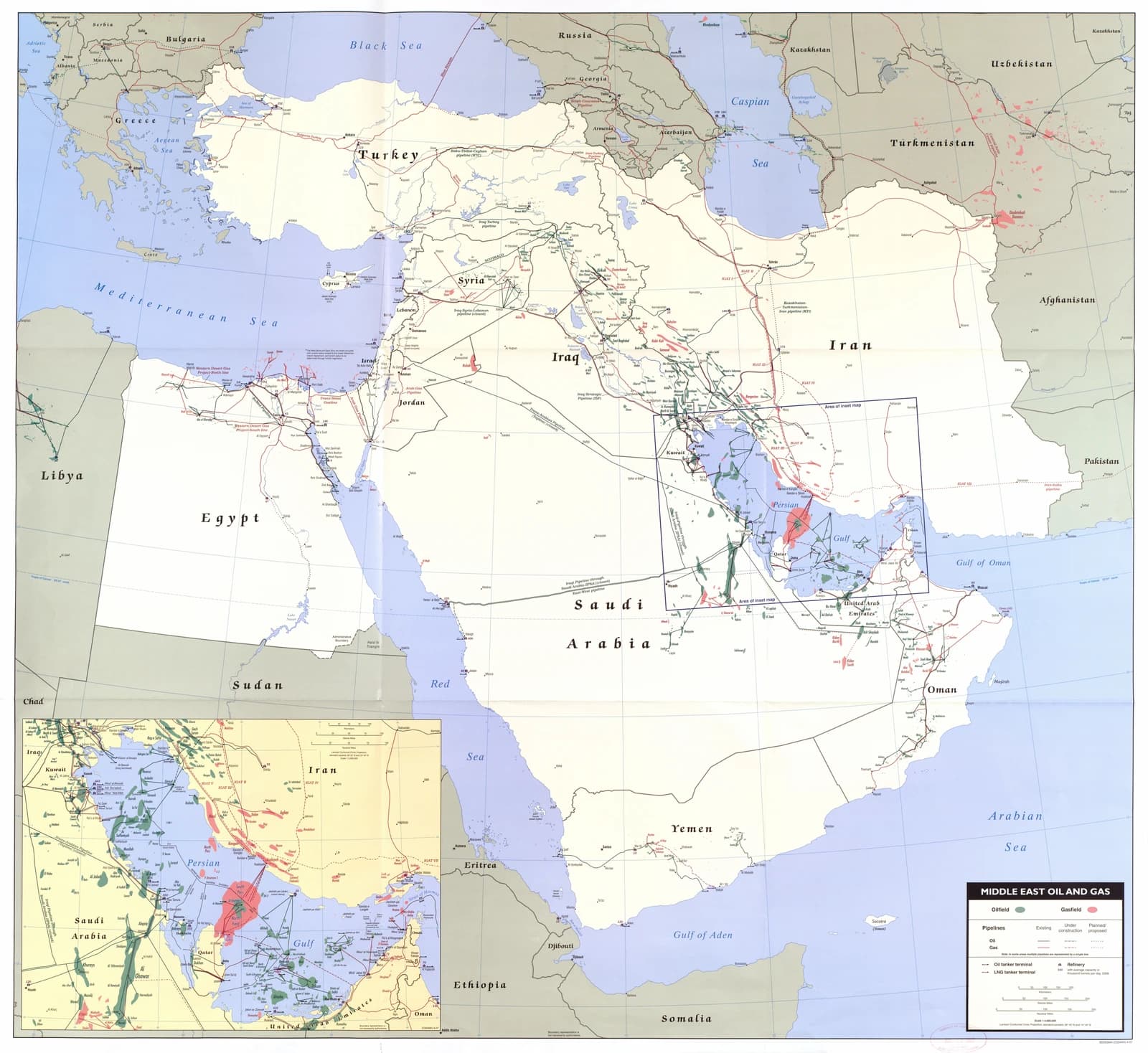
Oil’s jump above $100 a barrel and the risk of a deeper inflation shock have triggered the biggest weekly pullback from U.S. large-cap equity funds in months, but investors are not abandoning stocks so much as rotating within them.
U.S. equity funds saw $32.27 billion of net outflows in the week through Sept. 9, with large-cap funds taking a record $40.44 billion hit, according to LSEG Lipper data cited by Reuters. The size of the withdrawal reflects how quickly the Iran conflict has changed the macro backdrop: higher crude prices lift headline inflation, threaten margins for energy-intensive industries and complicate the Federal Reserve’s path on rates.
That matters because markets had been leaning on the assumption that disinflation would allow policy to ease gradually. West Texas Intermediate briefly surged to $104.46 and Brent moved above $100, forcing investors to reprice the odds that borrowing costs stay higher for longer. The move also reached beyond equities. U.S. bond funds logged their 21st straight week of inflows, with money piling into short- and intermediate-duration Treasuries, a sign investors are seeking income and duration protection without making a full defensive exit.
Yet the flow data shows a more nuanced trade than a simple risk-off stampede. On Wednesday, the Vanguard S&P 500 ETF took in $2.99 billion of net creations, the biggest ETF inflow of the day, while Invesco’s QQQ Trust drew $2.73 billion and SPDR S&P 500 ETF Trust attracted $1.26 billion. Semiconductors also remained in favor, with SOXX and SMH each taking in sizable cash. That split suggests investors are trimming broad active and institutional large-cap allocations while still using liquid index ETFs to keep exposure to the market’s biggest technology and AI winners.
The technical picture in VOO and QQQ supports the idea that capital is being repositioned rather than abandoned. Both funds remain above their 50-day and 200-day moving averages, while RSI readings are in neutral territory rather than signaling an exhausted trend. That leaves room for further upside if inflation fears stabilize, but also exposes the trade to sharp pullbacks if oil stays elevated and rate expectations harden again.
For investors, the message is that the Iran shock is not producing a clean flight from risk. It is creating a barbell: broad index and tech exposure on one side, shorter-duration Treasuries on the other. The winners are large-cap growth, semiconductors and defensive fixed income; the losers are rate-sensitive cyclical names and anyone relying on a quick return to easier policy.
How long that balance lasts will depend on whether energy prices keep feeding inflation data and whether central banks, including the ECB, are forced to stay restrictive for longer. If crude holds near triple digits, the recent largesse for VOO and QQQ may prove to be less a vote of confidence than a preference for the most resilient parts of the equity market.
| Entity | Gains | Losses |
|---|---|---|
| VOO / QQQ | ▲index-fund inflows | ▼broad active outflows |
| Semiconductor ETFs | ▲AI and growth positioning | ▼cyclical rate-sensitive stocks |
| Short-duration Treasuries | ▲defensive demand | ▼long-duration bond exposure |
| Oil bulls | ▲supply-risk premium | ▼disinflation trade |