Walmart plans 650 store remodels in 2026
Walmart is accelerating a store overhaul that will reshape how millions of U.S. shoppers pay, pick up and move through its aisles, a sign the retailer is betting that faster checkout and tighter online-offline integration can keep it ahead of rivals in a slowing consumer environment.
The company said it plans more than 650 remodels across Supercenters and Neighborhood Markets in 2026, part of a broader push that also includes about 20 new U.S. store openings. The work extends a program Walmart committed to in 2024 and comes as the chain redesigns front-end payment areas to cut wait times and reduce reliance on traditional cash registers.
For investors, the significance is less about cosmetic upgrades than about operating leverage. Walmart is using scale to push shoppers toward Walmart Pay and Scan & Go through its app, while giving employees digital tools to locate merchandise faster and support checkout anywhere in the store. That can lift throughput, improve labor productivity and deepen customer loyalty at a time when retailers are fighting for frequency rather than just transaction size.
The remodel plan also underscores how physical retail is being re-engineered around omnichannel economics. Walmart said updated stores will feature wider aisles, refreshed displays and expanded pickup and delivery capabilities, including more express delivery options. Pharmacy and Vision Center areas will add private consulting rooms, suggesting the company is using stores not only as checkout points but as service hubs that can support higher-margin traffic.
That matters because Walmart’s advantage has long rested on turning its store base into a logistics network as much as a sales floor. The latest changes push that model further, with digital price screens and in-store checkout updates designed to reduce friction while supporting a single system for online and in-person shopping. The strategy is meant to preserve Walmart’s traffic lead against Amazon online and against club and discount rivals that are also upgrading execution.
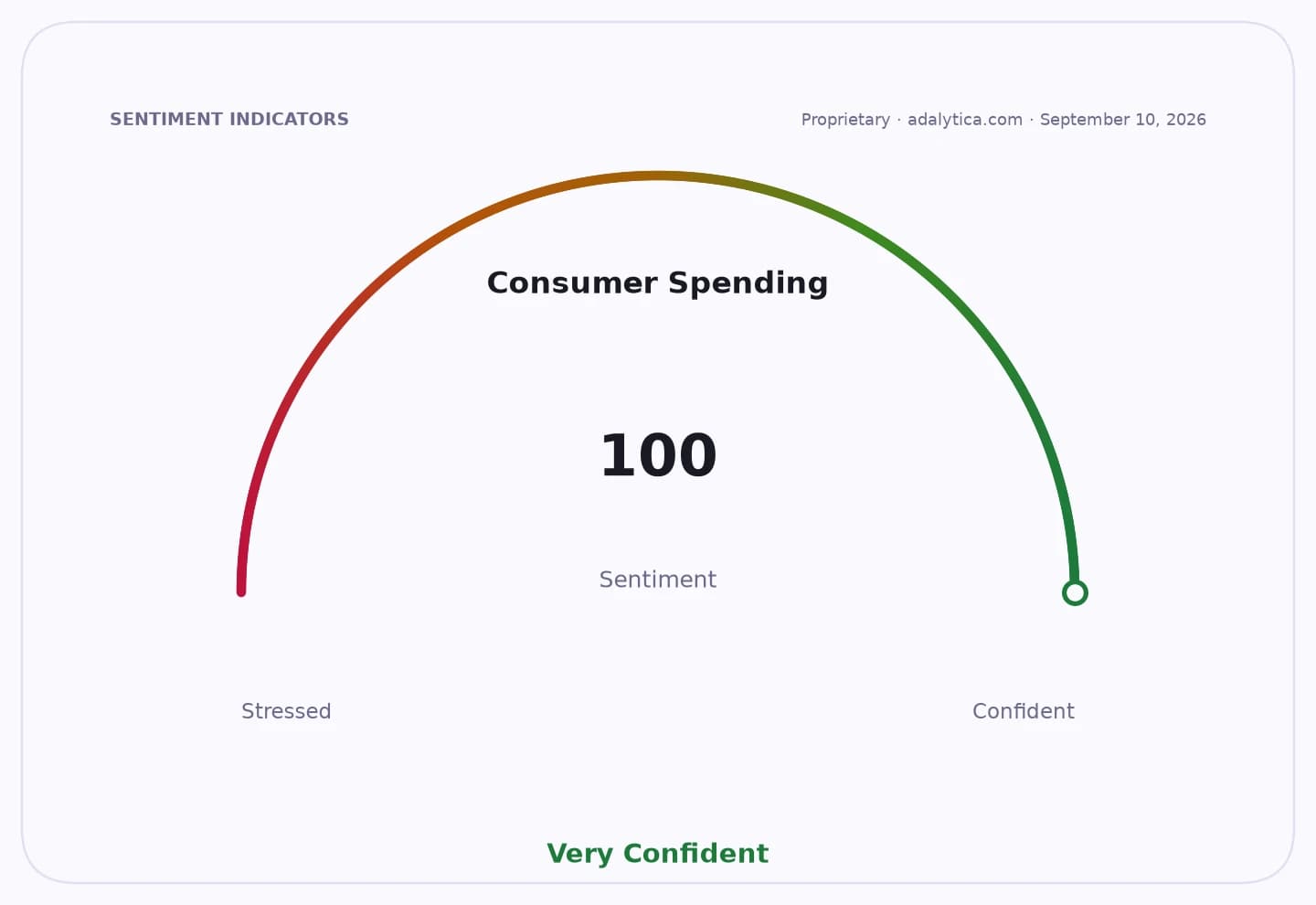
The stock’s recent trading backdrop suggests the market is still rewarding operational momentum even as broader consumer sentiment remains mixed. Walmart shares have held above their 50-day moving average in recent months, while technically still trading below the 200-day line, a sign investors are watching for sustained follow-through rather than a short-lived move. By contrast, Target has seen a more volatile path, and Costco remains the cleanest beneficiary of value-oriented spending, underscoring how execution and format matter in this sector.
The bull case is straightforward: remodels can support traffic, reduce queue friction and improve basket conversion without requiring a radical reinvention of the brand. The bear case is that store upgrades are capital-intensive, and the payoff depends on whether shoppers keep spending enough to justify the investment while labor and supply-chain costs remain elevated.
The next catalyst is whether Walmart can show that its store refreshes translate into stronger comparable sales, better fulfillment efficiency and steadier margins. If the company delivers on those metrics, the 650-store program will read less like a maintenance plan and more like a competitive moat being rebuilt aisle by aisle.
| Entity | Gains | Losses |
|---|---|---|
| Walmart | ▲Faster checkout, higher traffic | ▼Higher capex burden |
| Shoppers | ▲Shorter waits, better pickup/delivery | ▼Less traditional checkout |
| Employees | ▲Digital store tools | ▼More pressure on productivity |
| Target and peers | ▲— | ▼Share of value-focused traffic |