Walmart, Costco, Kroger Gain as Shoppers Trade Down
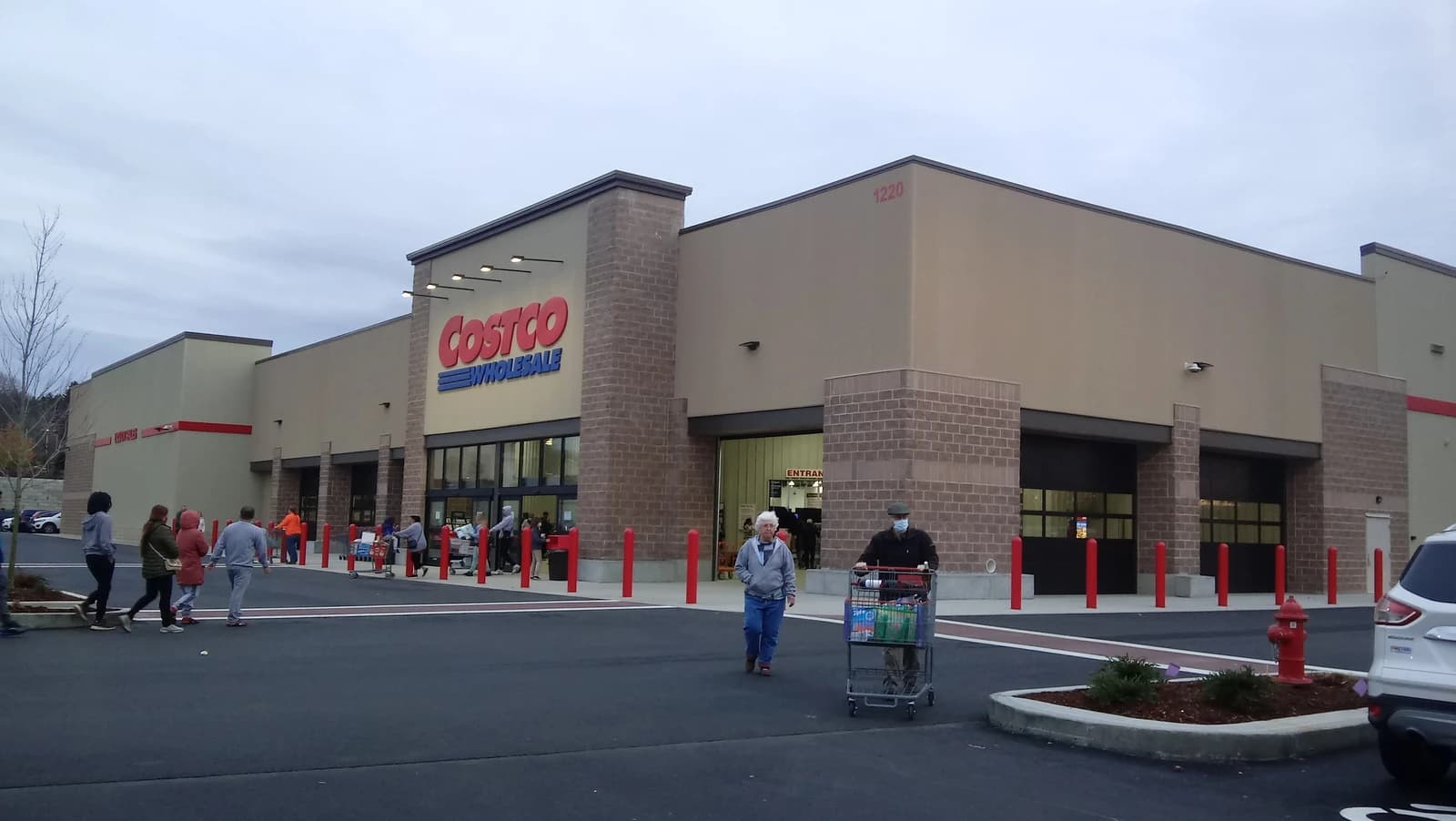
Food prices are still a political talking point, but the market’s more important message is that grocery stores have become one of America’s clearest free-market success stories.
That matters because the consumer is not passively absorbing higher prices. Shoppers are voting with their wallets, moving toward value chains, private labels and membership formats that keep them fed while squeezing weaker retailers and branded suppliers. In an economy where food costs have risen 3% over the past year and politicians are again promising relief, the real story is that competition is doing what policy usually cannot: forcing efficiency, expanding choice and rewarding the operators with the best scale.
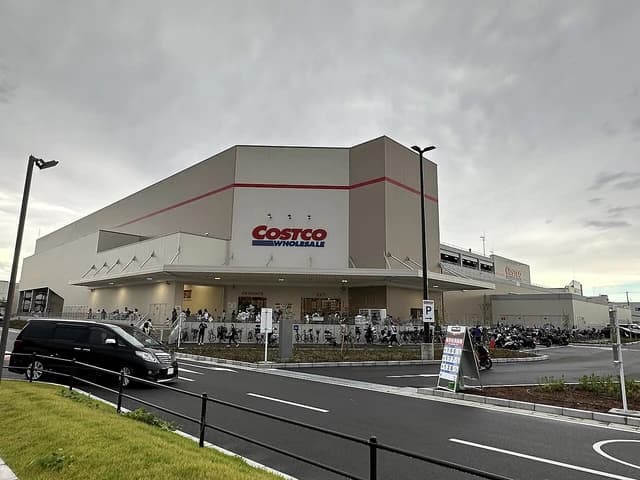
The latest market tape backs that up. Walmart has climbed above its 50-day moving average and is still trading with momentum even after a sharp run, a sign investors continue to treat it as the sector’s defensive winner. Kroger, by contrast, is recovering from a much weaker stretch but remains well below its 200-day moving average, underscoring how uneven the grocery battlefield has become. Costco’s stock has also swung hard, but its long-term premium reflects the same truth: in groceries, scale and trust still command a price.
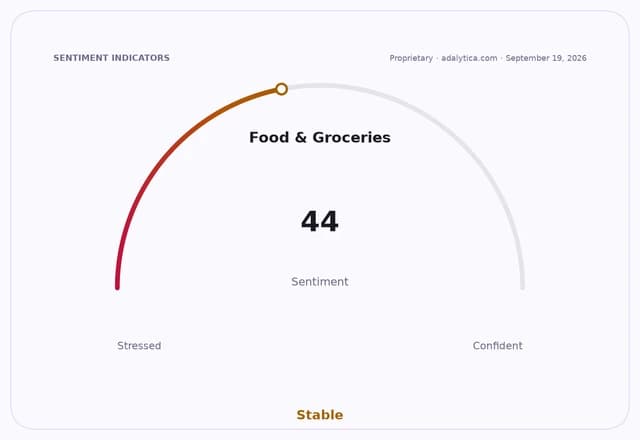
The underlying economics are straightforward. When a standard grocery basket has more than doubled in some markets, consumers do not stop buying food — they change where and how they buy it. That shift favors retailers with lower unit costs, stronger logistics and the ability to lean into house brands, bulk buying and loyalty programs. It also explains why grocery has become an investment-grade battleground: margins are thin, but volume is sticky, recurring and highly defensible.
Walmart is the clearest expression of that trend. Its scale lets it absorb price pressure, lure value-conscious shoppers and win share in an environment where every basis point matters. Kroger remains relevant because it still owns a huge slice of mainstream American grocery demand and has shown it can adapt through e-commerce and cost discipline, even if the market is demanding better execution. Costco sits in a different lane entirely, but it benefits from the same consumer behavior: households looking to stretch every dollar are willing to pay for access to lower per-unit costs.
This is why the political debate over “price gouging” misses the bigger point. Grocery inflation is painful, but the competitive response is already visible. Retailers are adding discounts, subscription offers and wage incentives to keep labor and traffic flowing. That is not a broken market; it is a functioning one, albeit a brutal one. The winners are the firms that can spread fixed costs across more baskets and use data, scale and private label to hold onto shoppers as food budgets tighten.
Investors should view that as an actionable divergence, not a generic defensive trade. The best long-term exposure is still the operators that control value and frequency: Walmart for broad-based share gains, Costco for membership loyalty and trade-down resilience, and Kroger as a turnaround story if execution and margin discipline continue to improve. The losers are the weak mid-tier grocers and branded suppliers that lack pricing power, as shoppers increasingly prioritize cheap, convenient and predictable.
If food prices stay elevated and government support gets thinner, the value migration into grocery retail should intensify. That makes this one of the market’s most durable secular themes: not just inflation resistance, but a multi-year redistribution of spending toward the biggest and most efficient food chains. For investors, the takeaway is simple — own the toll roads of the grocery aisle before the next wave of price pressure forces another round of trading down.
| Entity | Gains | Losses |
|---|---|---|
| Walmart (WMT) | ▲Share gains from value seekers | ▼Smaller grocers |
| Costco (COST) | ▲Membership-driven trade-down demand | ▼Premium grocers |
| Kroger (KR) | ▲Traffic from budget-conscious shoppers | ▼Marginally priced competitors |
| Branded food suppliers | ▲Higher shelf prices pass through | ▼Consumers facing tighter budgets |