Walmart Deals Event Competes With Amazon Prime Sale
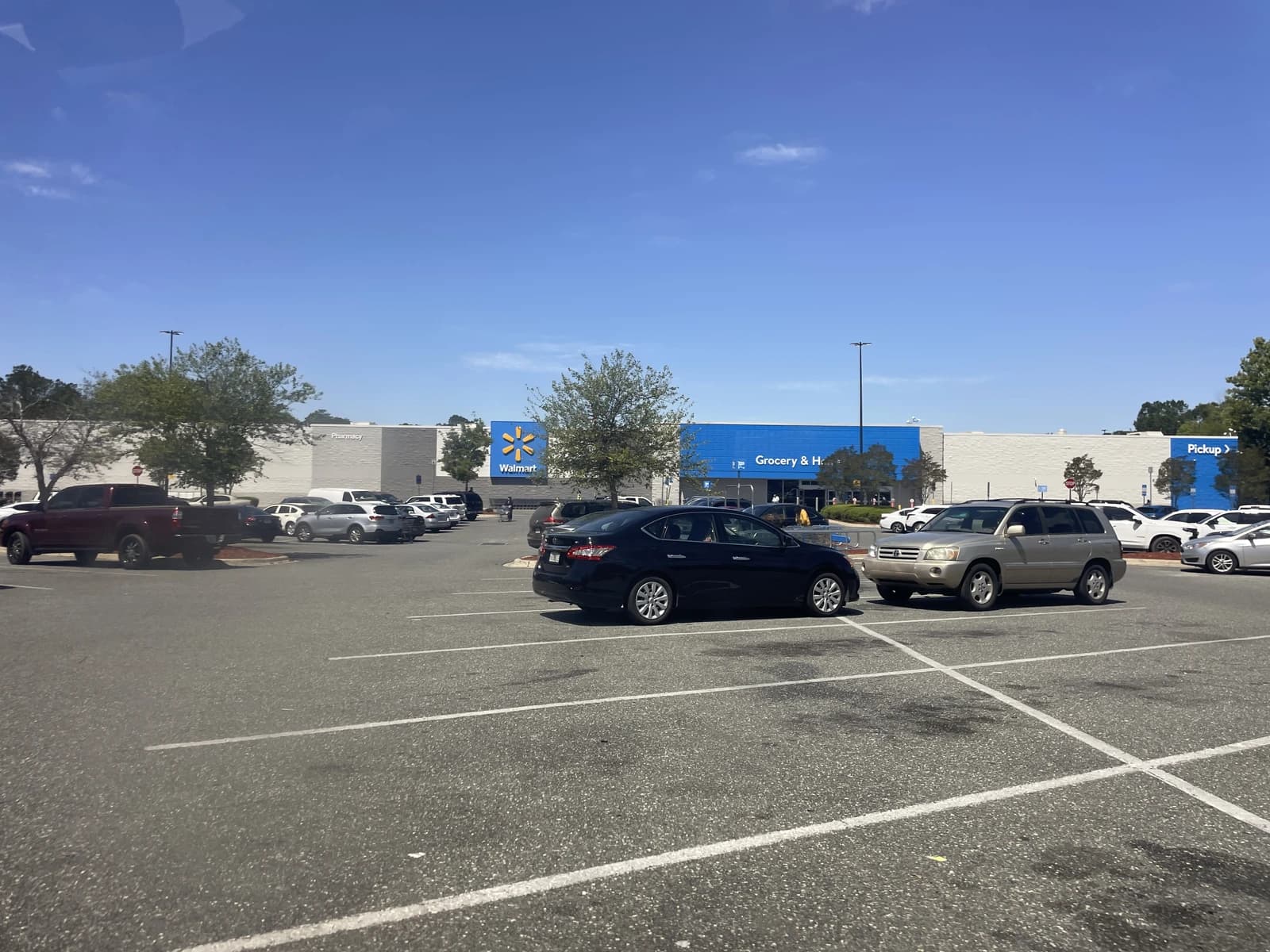
Walmart is moving its fall shopping event into direct competition with Amazon, betting that a broader, membership-free discount campaign will pull in households looking to stretch budgets ahead of the holidays.
The retailer said its Deals & More promotion will run from Oct. 5 through Oct. 11, with the most intense overlap coming on Oct. 6 and 7, the same 48 hours as Amazon’s Prime Big Deal Days. Walmart is advertising discounts of up to 50% on home goods, 40% on electronics and as much as 30% on toys, Halloween items and groceries-related seasonal products. Amazon’s event, by contrast, is limited to Prime members and is being used to push new sign-ups and trial memberships.
The clash matters because it comes at the point in the year when U.S. shoppers begin shifting from back-to-school purchases to holiday planning, and because price competition is likely to shape where consumers allocate what remains of a still-pressured discretionary budget. Inflation has eased from its peak, but prices remain well above pre-pandemic levels, with the consumer price index at 334.131 in August, up from 333.979 in May, while unemployment held at 4.1%. That backdrop makes discounts more influential than in a lower-cost environment, especially for families trying to buy ahead without taking on extra credit.
For Walmart, the strategy reinforces its position as the mass-market destination for essentials and seasonal goods, and extends a pattern seen in recent earnings that showed strength in transactions, average ticket and U.S. e-commerce. The company has also leaned more heavily on omnichannel sales and Walmart+ engagement, suggesting the retailer sees promotions not only as a traffic driver but as a way to deepen loyalty and basket size across stores and digital channels.
Amazon’s response underscores the different economics of its model. Prime Big Deal Days is designed to lock shoppers into its subscription ecosystem, boosting order frequency and membership retention rather than simply chasing one-off volume. That gives Amazon a longer-duration monetization opportunity, but it also means the event is less open than Walmart’s and may leave some price-sensitive shoppers outside the tent unless they sign up for Prime.
Investors are likely to read the promotion battle as a test of who can capture the first meaningful wave of holiday spending without sacrificing too much margin. Walmart has tended to defend share with scale and everyday low prices, while Amazon can absorb promotional pressure more easily through Prime economics and a broader mix of high-margin services. But the more aggressive the discounting, the more it raises questions about gross-margin discipline across retail into year-end.
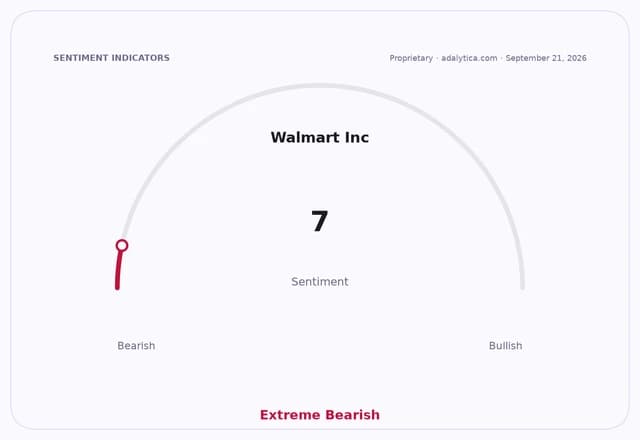
Walmart shares have recently traded below their 200-day moving average, leaving room for a stronger holiday sales narrative to help sentiment if traffic and e-commerce conversion hold up. Amazon’s shares, meanwhile, remain above that same long-term trend, suggesting investors are still giving it credit for growth optionality despite the promotional noise. The next signal will come from whether the October events convert into sustained holiday momentum rather than a short burst of bargain hunting.
| Entity | Gains | Losses |
|---|---|---|
| Walmart | ▲Traffic and basket share | ▼Margin if discounts deepen |
| Amazon | ▲Prime sign-ups, retention | ▼Some price-sensitive shoppers |
| Consumers | ▲Lower holiday prices | ▼Less selection if inventory tightens |
| Peer retailers | ▲Promotional benchmark | ▼Pricing pressure and share loss |