Walmart adds Dunkin' delivery in its app
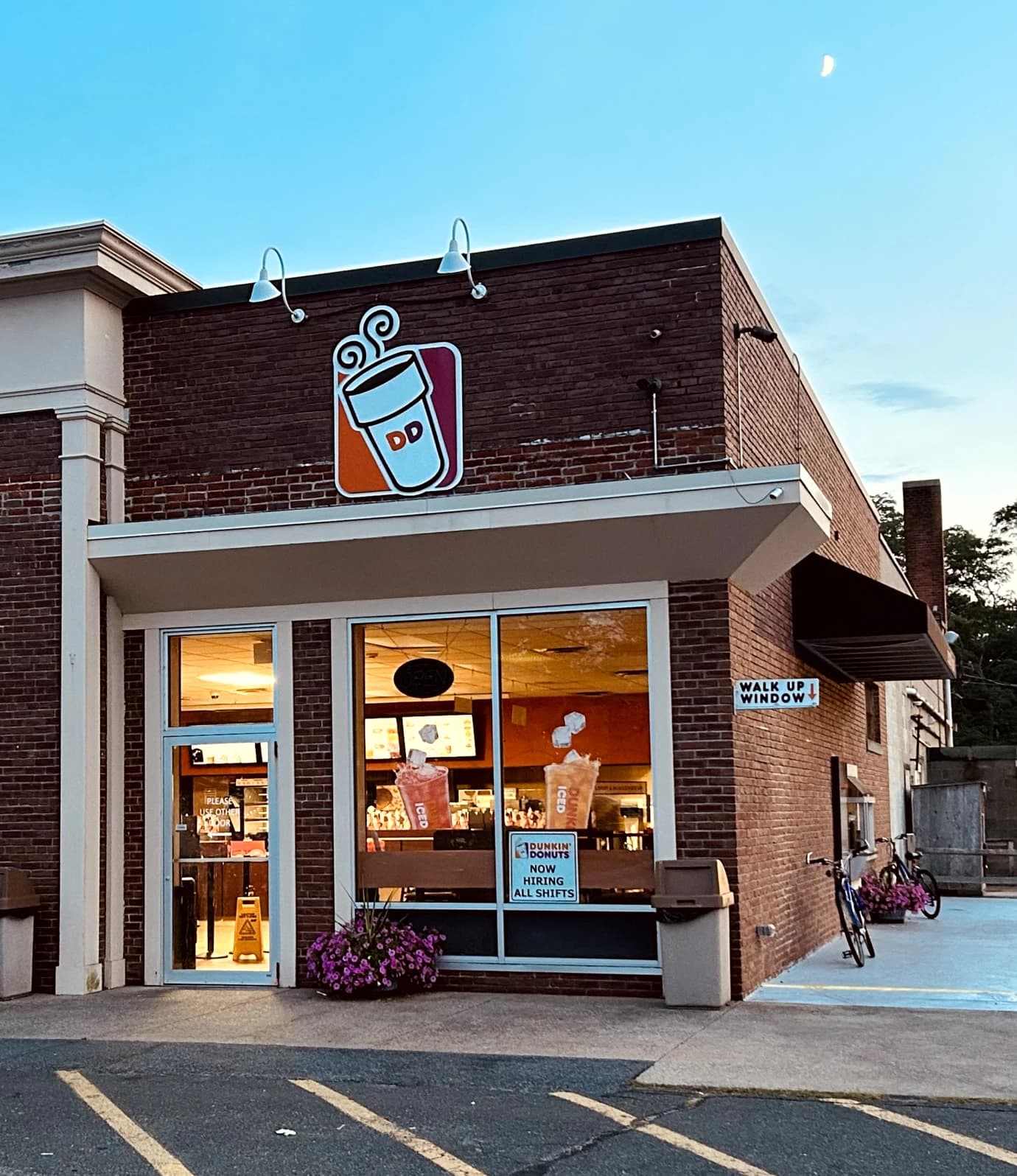
Walmart is widening its restaurant-delivery push with Dunkin’, a move that could make its app more useful for millions of shoppers and deepen the company’s effort to fold food, household staples and convenience purchases into one digital order.
The new arrangement with Inspire Brands lets customers order from Dunkin’ locations both inside and outside Walmart stores through Walmart’s app and website, extending a restaurant-delivery service the retailer only launched in June with Subway. For Walmart, the significance is less about donuts and coffee than about engagement: the more reasons shoppers have to open the app, the more often they may route routine spending through Walmart’s digital ecosystem.
That matters because Walmart has spent years trying to turn its scale in groceries and essentials into a broader e-commerce habit. The company said in its latest filing that U.S. e-commerce sales contributed about 4.9% to comparable sales in the most recent quarter, underscoring how important digital frequency has become to growth. Adding national brands like Dunkin’ gives Walmart another way to keep customers in its orbit between big shopping trips, especially as consumers increasingly expect delivery to cover meals as well as paper towels and milk.
The rollout starts with Dunkin’s 150 locations operating as in-store tenants at Walmart, but Walmart said the service is expected to expand to include the majority of Dunkin’s roughly 10,000 U.S. locations outside Walmart stores. That expansion is the real prize. If Walmart can aggregate restaurant demand at scale, it moves closer to becoming a default delivery platform rather than just a retailer with an app.
For investors, the appeal is twofold. First, restaurant partnerships can increase traffic and order frequency without requiring Walmart to own the food business itself. Second, they reinforce the company’s omnichannel strategy, which is already showing up in sales and cash flow. Walmart reported $19.7 billion in operating cash flow for the first half of the year, giving it ample room to keep investing in logistics, digital fulfillment and customer acquisition.
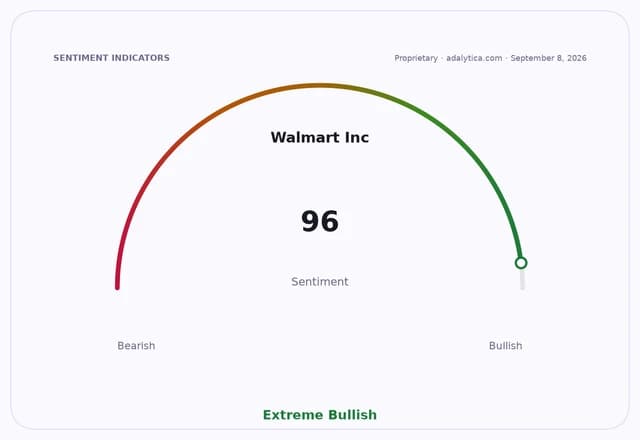
The stock’s recent technical picture suggests the market has already rewarded that story. Walmart shares have been trading above the 50-day moving average, while momentum readings such as RSI have been elevated, a sign investors are paying up for durable growth and defensive earnings power. Adalytica.com’s Walmart earnings sentiment snapshot also shows “Extreme Greed,” reflecting a bullish mood around the name even as broader consumer spending sentiment remains uneven.
There are limits, of course. Restaurant delivery is still a competitive market, and Walmart is not the first company to try blending groceries, meals and household delivery into one interface. Execution will matter, from service quality to order accuracy to whether customers actually bundle purchases. But the strategic logic is strong: if Walmart can make its app the easiest way to satisfy everyday needs, it can strengthen customer loyalty and widen the gap with smaller rivals.
For long-term investors, that is the kind of incremental move that can compound over years. Walmart does not need Dunkin’ delivery to transform the business overnight. It just needs more reasons for shoppers to come back, again and again. That makes the partnership worth watching, and for patient shareholders, it adds one more reason to stay bullish on Walmart’s digital evolution.
| Entity | Gains | Losses |
|---|---|---|
| Walmart | ▲Higher app engagement | ▼Less reliance on store-only traffic |
| Dunkin’ | ▲Broader customer reach | ▼More dependence on delivery execution |
| Inspire Brands | ▲More distribution scale | ▼Greater platform complexity |
| Smaller delivery rivals | ▲— | ▼More competition for everyday orders |