Walmart Grocery Strength Supports Traffic
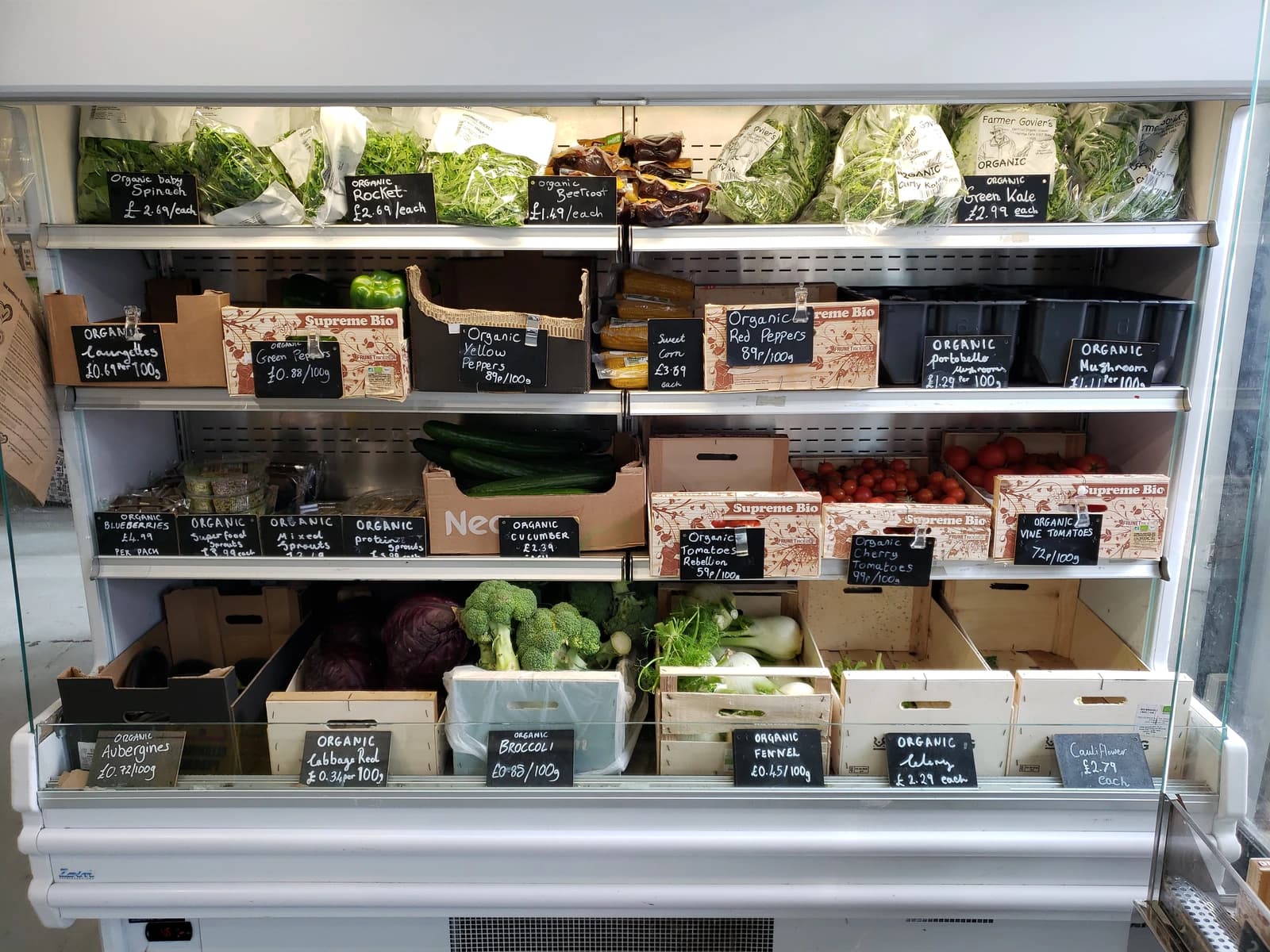
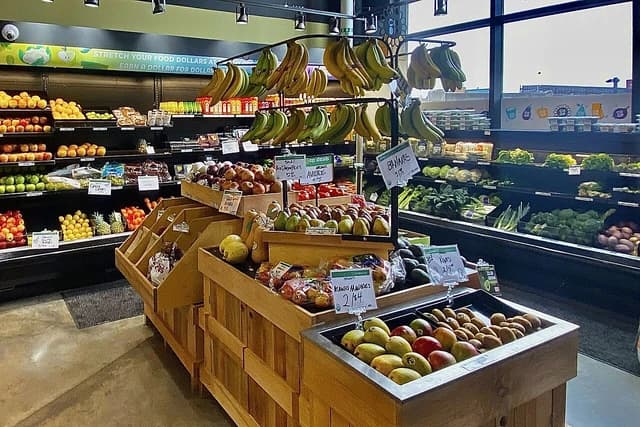
Walmart’s latest quarter showed the retailer still winning on grocery, even as broader execution looked a bit softer and the stock eased back after a sharp run-up.
That matters because food and essentials remain Walmart’s biggest traffic engine in a consumer environment where shoppers are still chasing value, but it also shows how much the company now depends on steady grocery demand to offset pressure in other categories and keep margins intact.
The shares were last down 0.6% at $106.49 in recent trading, after touching as high as $106.60 and as low as $104.00 on Monday. Even after the pullback, Walmart has been one of the stronger large-cap retail names this year, with the stock up from $103.59 on Aug. 20 and trading well above its 50-day moving average near $113.06 before the recent slide.
Technical indicators point to a stock that has cooled from overbought levels. Walmart’s relative strength index has fallen to 39.2 from 77.1 earlier this month, and the MACD remains below its signal line, suggesting momentum has weakened even as investors continue to favor defensive consumer names.
The grocery outperformance also stands out against peers. Kroger has been climbing and closed at $59.08 on Monday, while Costco shares rose to $971.40, putting renewed focus on how the biggest food sellers are capturing traffic from households trading down and shopping more selectively.
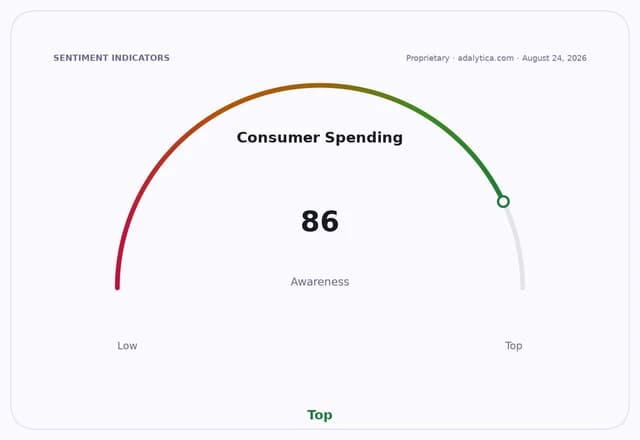
That dynamic is reinforced by broader consumer data showing fear around spending remains acute, even as awareness of the sector stays high. Adalytica’s Consumer Spending Sentiment sits at 7, in “Extreme Fear,” a sign that investors are still treating food retail as one of the safer places to hide if the economy slows further.
For investors, the takeaway is straightforward: Walmart’s grocery strength supports the bull case for traffic and market share, but the “little slow” read on the quarter raises questions about how much upside is left if discretionary spending stays uneven. The next catalyst is whether Walmart can turn that grocery resilience into a cleaner earnings beat and defend margins as competition from Costco, Kroger and Amazon stays intense.
| Entity | Gains | Losses |
|---|---|---|
| Walmart | ▲Grocery traffic and defensive demand | ▼Margin and momentum expectations |
| Kroger | ▲Category demand tailwind | ▼Share gains versus Walmart risk |
| Costco | ▲Value-shopping appeal | ▼Higher valuation if growth cools |
| Consumers | ▲Low-price food access | ▼Less room for discretionary spending |