Walmart Linked to Microsoft TikTok Bid
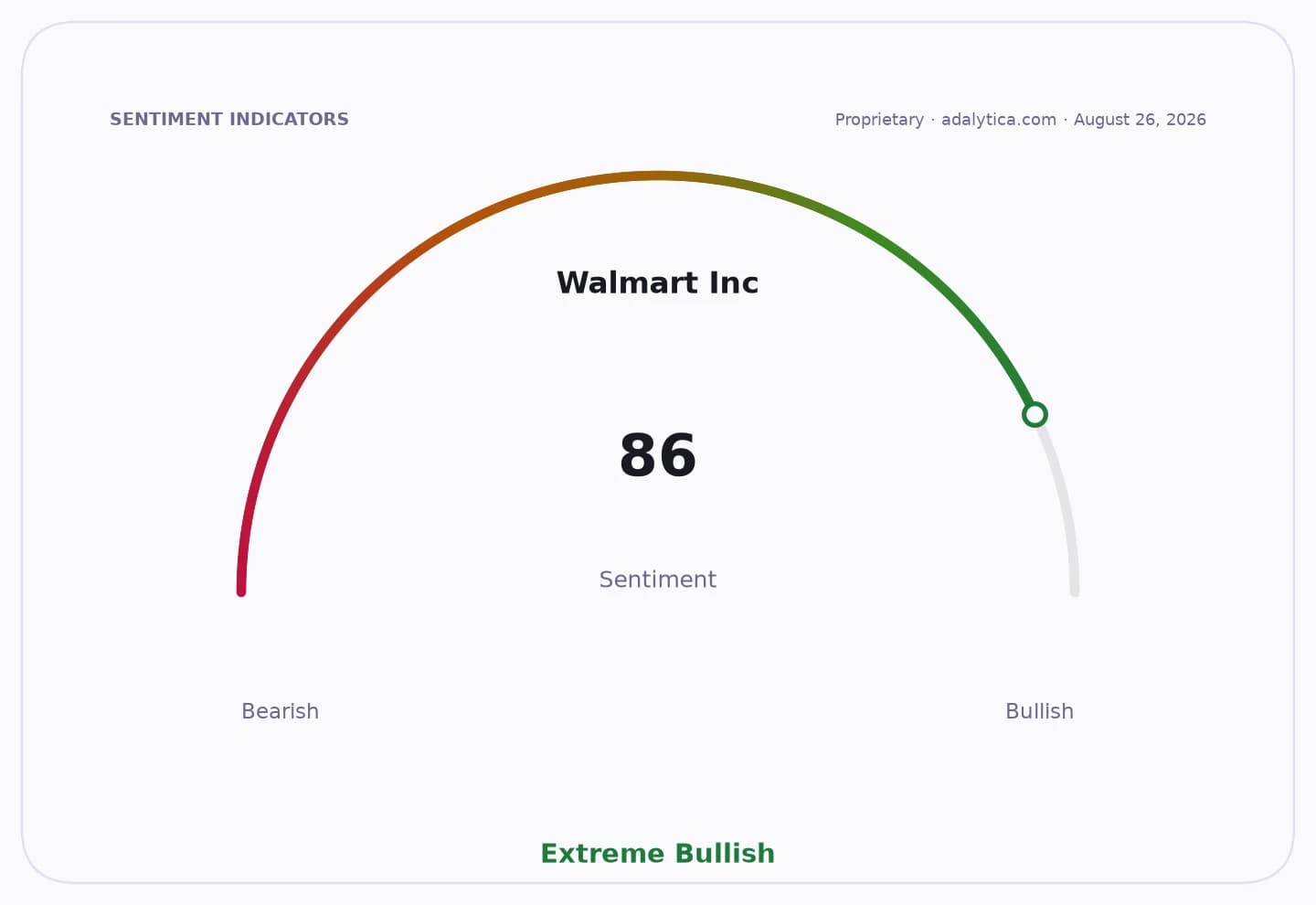
Walmart’s reported interest in joining Microsoft’s bid for TikTok points to a retail giant trying to buy its way into the next phase of digital commerce, where video, shopping and payments increasingly blur together.
If the world’s largest retailer can secure even a partial role in the app, it would give Walmart access to one of the most engaged consumer audiences on the internet and a potential new channel for advertising, merchant services and social commerce. That matters economically because TikTok is no longer just a media property: it is becoming a distribution layer for shopping, and the buyer that controls that layer can influence transaction volume, ad spend and consumer attention.
The reported move also fits Walmart’s broader push to deepen its digital ecosystem and reduce its dependence on low-margin physical retail alone. TikTok has already been working toward becoming more like a super app, including plans to let users send money directly through private messages. That expansion into digital financial services underscores why a strategic buyer would be interested: the platform could become a commerce and payments funnel, not merely a source of entertainment.
For Microsoft, a Walmart partnership would broaden the logic of the bid beyond pure technology. Microsoft has long used acquisitions and alliances to expand distribution and monetization, and its filings note both the benefits and risks of strategic partnerships. Pairing with Walmart could make the offer more attractive politically and commercially by bringing a major U.S. consumer brand into a deal that has already drawn scrutiny over TikTok’s ownership and data governance.
Investors would view such a combination through two lenses. In the bull case, Walmart gains a growth option that could lift digital engagement, ad revenue and merchant relationships while helping the company compete more directly with Amazon, Meta and other platforms that control consumer attention. In the bear case, the asset could prove difficult to integrate, politically sensitive and expensive, with uncertain returns if regulators force a structure that limits control or if TikTok’s user base does not convert cleanly into profitable commerce.
The stock-market backdrop suggests investors are already assigning some value to Walmart’s expansion ambitions. Walmart shares have recently pushed through a strong run, with the stock trading at $104.54 on Aug. 26, above its 50-day moving average of $112.43? Wait, the latest price context shows it is below that level, while technical readings such as RSI at 34.3 and a negative MACD indicate the shares have weakened in the near term after a sharp decline from earlier highs above $130. That pullback matters because any TikTok investment would come against a softer trading backdrop and could raise questions about capital allocation.
The bigger narrative is that TikTok is evolving from a short-form video app into a commerce platform with payments ambitions, and Walmart is being linked to the bid because it could use that evolution to accelerate its own digital transformation. If the deal advances, the key question for investors will not just be who wins TikTok, but whether the asset can be turned into a durable profit center that helps define the next battle in retail, advertising and fintech.
| Entity | Gains | Losses |
|---|---|---|
| Walmart | ▲New digital commerce channel | ▼Higher execution risk |
| Microsoft | ▲Strategic partner leverage | ▼More deal complexity |
| TikTok | ▲U.S. ownership options | ▼Less autonomy |
| Amazon and Meta | ▲— | ▼Potential ad-commerce rival |