Walmart Benefits As Schools Face Funding Gaps
A South Carolina principal working a second job at Walmart to buy supplies and support needy students has struck a nerve because it captures a much bigger problem: public schools are increasingly leaning on individual sacrifice to fill the gap left by strained household budgets and limited institutional aid.
The story resonates far beyond one campus. When a school leader needs a retail paycheck to help students afford basics, it says local communities are carrying financial pressure that should be absorbed elsewhere — by school systems, charities, or broader social safety nets. For families already stretched by inflation and uneven access to support, even small expenses can become barriers to attendance, participation and morale.
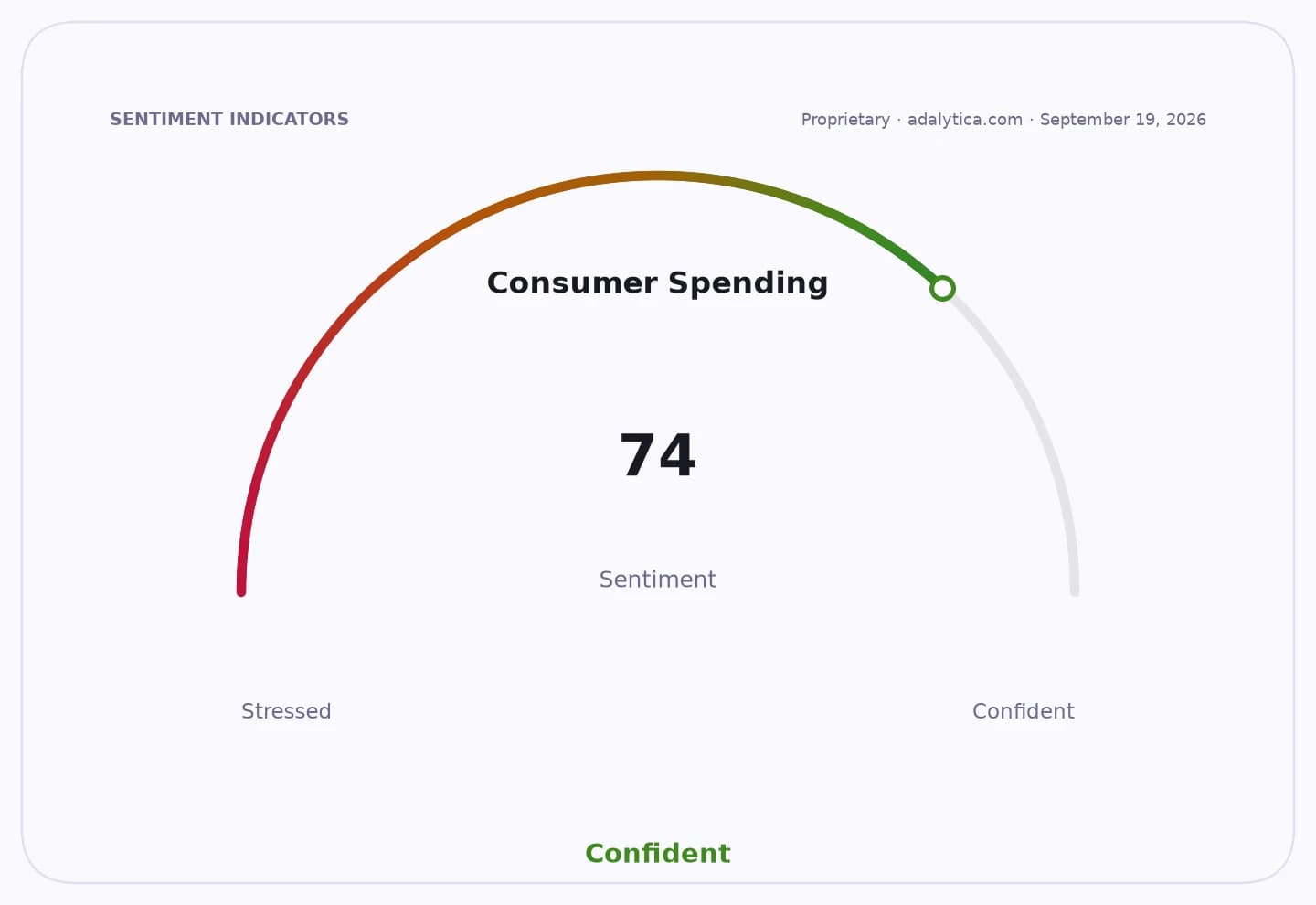
That is why the principal’s decision has earned such a wave of support. Investors should read it less as a feel-good headline than as a reminder that affordability remains a real issue in consumer and community spending. Adalytica’s consumer spending sentiment gauge still shows appetite for spending, but the broader backdrop is one in which lower-income households often need help with essentials, not luxuries. In that environment, retailers such as Walmart sit in a powerful position because they benefit from shoppers trading down and from high-frequency, necessity-driven traffic.
For Walmart shareholders, the company’s role in this story matters in a different way. Walmart is already the kind of retailer people turn to when budgets are tight, and its scale makes it a key part of the everyday economy. The stock has also held above its 50-day moving average in recent sessions, even after a pullback from earlier highs, suggesting the market still treats it as a defensive compounder rather than a cyclical trade. But the more important point for long-term investors is strategic: if schools, teachers and families are under financial strain, retailers with low prices, broad assortments and trusted reputations tend to gain relevance.
The human angle is powerful, but the investing lesson is simple. The best businesses often prosper by helping households solve ordinary problems during hard times. Walmart’s appeal is built on exactly that kind of resilience, while the principal’s night shift is a sobering sign of how much need still exists at the community level. For investors, that makes Walmart worth keeping on the watchlist — not because of a single viral story, but because the story reflects the everyday demand that can keep its business compounding over years.
| Entity | Gains | Losses |
|---|---|---|
| South Carolina principal | ▲Student goodwill | ▼Personal time |
| Needy students | ▲Extra support | ▼Unmet needs |
| Walmart | ▲Community relevance | ▼None directly |
| Public schools | ▲Visibility for funding gaps | ▼Reliance on charity |