Walmart Tap to Pay Rollout Runs Through 2027
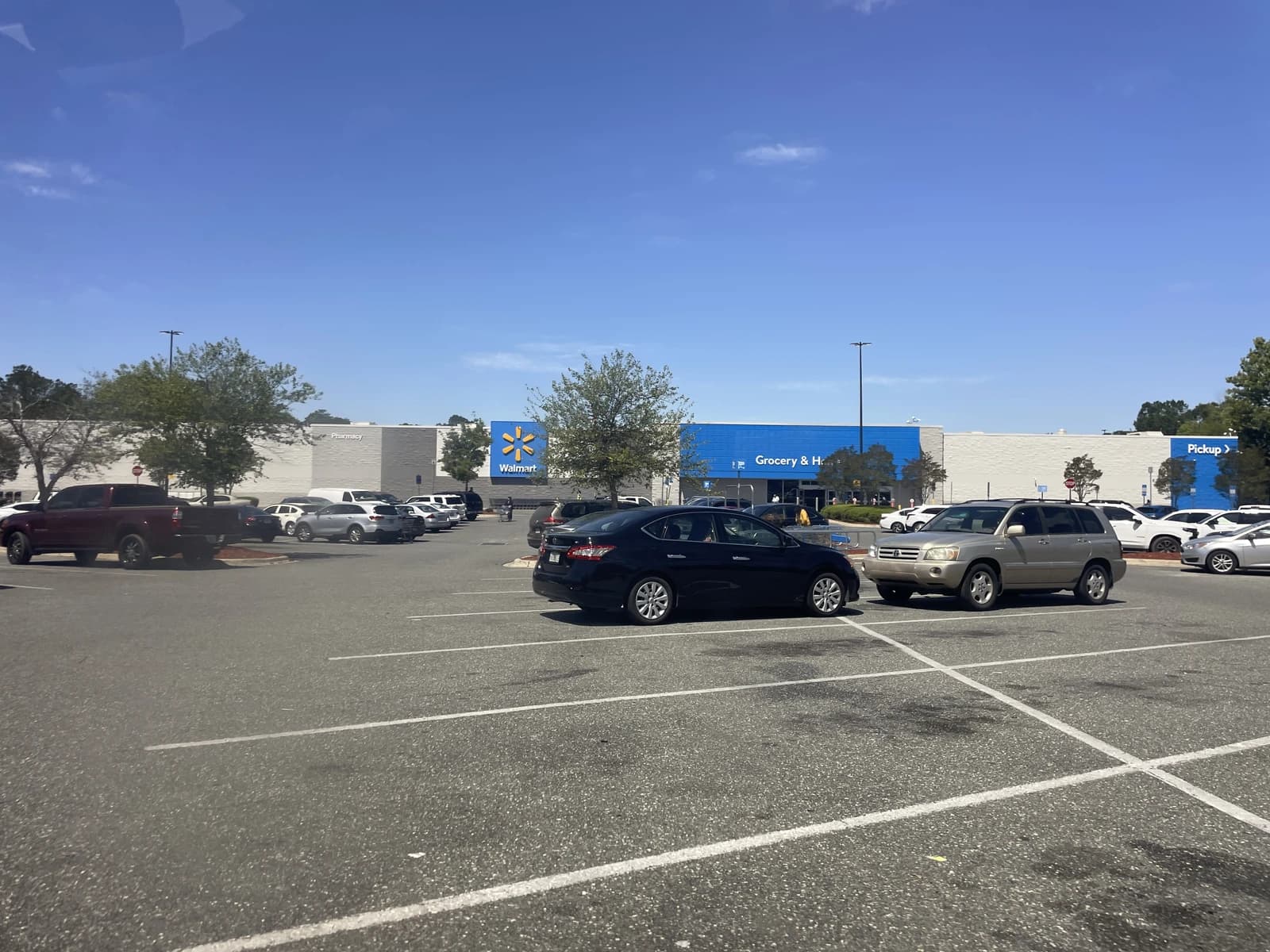
Walmart’s long-delayed move to contactless checkout is now under way, but the rollout will stretch into 2027 for fuel stations, leaving the retailer’s payment experience uneven across a network that serves millions of shoppers every day.
That matters because checkout friction has become part of the competitive fight in U.S. retail. Walmart has long relied on speed, convenience and low prices to keep traffic flowing through its stores and clubs, and adding Apple Pay, Google Pay, Samsung Pay and other digital wallets helps close a gap with rivals that already let customers tap and go. The change is also operationally relevant: the easier the payment flow, the lower the chance that shoppers abandon baskets, especially in high-frequency trips for groceries and household staples.
The company said tap to pay will start appearing at select stores just days after the August 21 announcement, with all Walmart and Sam’s Club locations in the U.S. expected to be upgraded by the end of 2026. Fuel stations will follow by mid-2027. Until then, availability will vary by location, meaning a customer could tap at one Walmart and be forced to use a chip card, swipe or Walmart Pay at another nearby store.
For investors, the announcement is less about a direct earnings lift than about Walmart’s evolving strategy for retaining share in a retail market where convenience is increasingly priced into loyalty. Walmart Pay will remain available, along with cash, checks and card transactions, so the new system expands choice rather than replacing existing checkout tools. That limits the risk of disruption, but it also means the short-term revenue impact is likely modest. The bigger issue is whether the upgrade improves customer stickiness and supports transaction volume at a time when consumers remain price sensitive and competition from Amazon, Costco and other omnichannel retailers is intense.
The move also carries a security and infrastructure message. Walmart says the tap-to-pay system uses EMV technology, while digital wallets rely on tokenization, reducing exposure of actual card credentials. That should make the platform more aligned with current payment standards and may lower some payment-related friction over time, even if the change is not material enough on its own to alter Walmart’s margin profile.
Walmart shares were last around $106, below the 50-day moving average and under the 200-day average, while RSI readings near 33 suggest the stock has cooled after earlier strength. Against that backdrop, the contactless rollout is not a market-moving catalyst by itself, but it reinforces a broader thesis: Walmart is continuing to modernize its store base and payment stack to preserve traffic, protect share and keep pace with consumer expectations. The investors most likely to benefit are those betting on Walmart’s ability to defend everyday spending; the losers are retailers that still make shoppers work harder at the register.
| Entity | Gains | Losses |
|---|---|---|
| Walmart | ▲Better checkout experience | ▼Higher rollout complexity |
| Shoppers using digital wallets | ▲Faster, easier payments | ▼Need fallback during rollout |
| Competitors with older checkout systems | ▲Limited | ▼Relative convenience gap |
| Payment network incumbents relying on card friction | ▲Lower | ▼Less checkout lock-in |