Walmart Target Costco and Private Label Growth
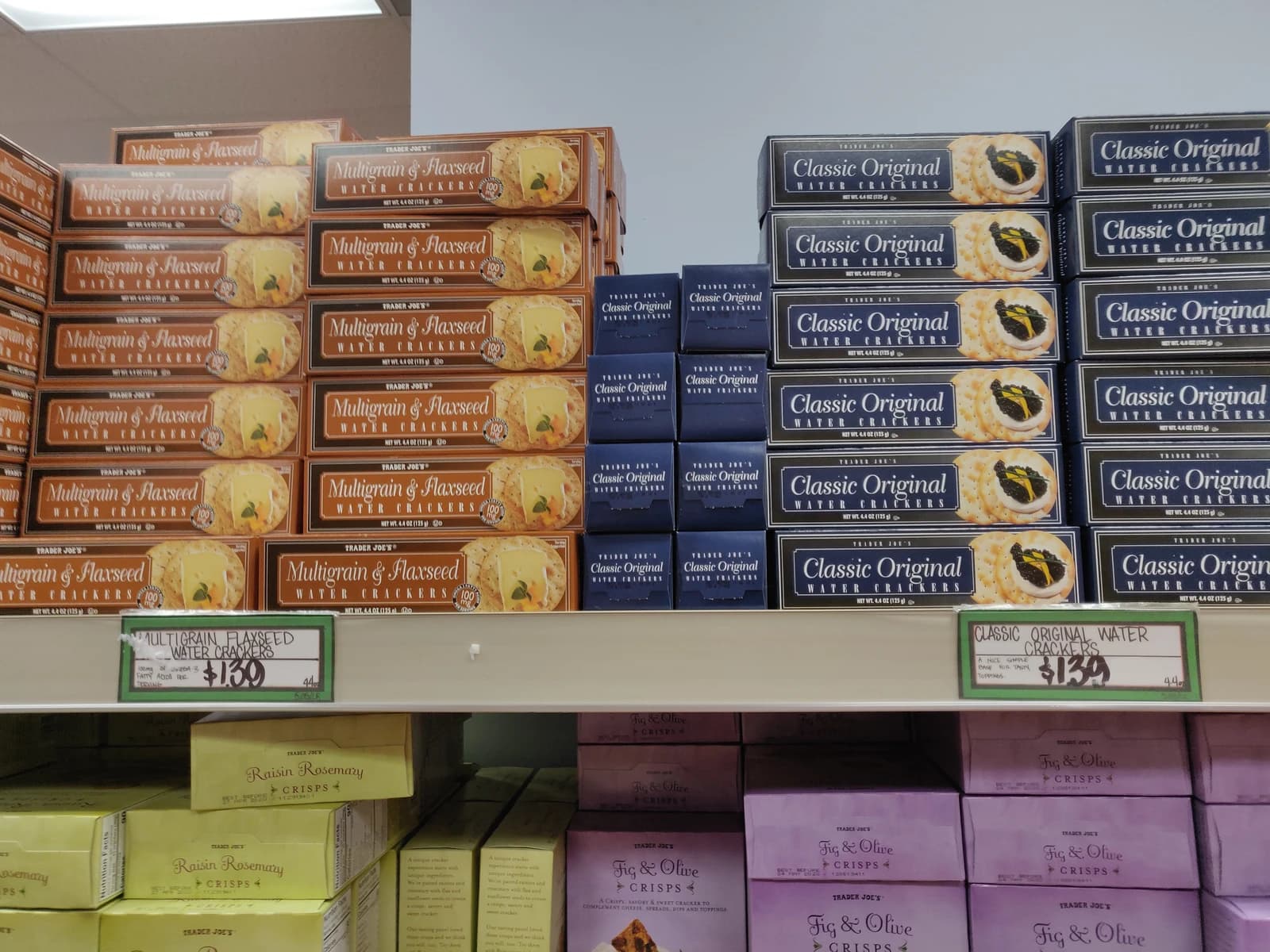
Private-label goods are taking a bigger share of the shopping basket because consumers want lower prices and retailers want higher margins, and the shift is starting to show up in the stocks of the biggest US sellers of everyday goods.
What looks like a simple savings story is also a margin story. When shoppers buy a store brand instead of a national brand, the retailer usually keeps more control over pricing and assortment, while the branded supplier loses shelf space and some of the marketing power that supports premium pricing. For investors, that makes private-label penetration a direct read-through on gross margin resilience in a tougher consumer environment.
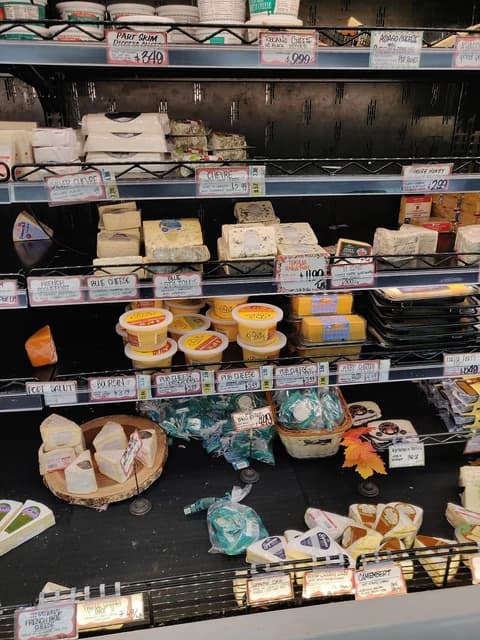
That dynamic is not confined to the US. In Russia, a recent survey cited by 72.RU found 61% of consumers regularly buy store brands and another 19% do so in some categories, with demand concentrated in staples such as dairy, personal care, pantry goods and cleaning products. The underlying logic is similar: shoppers are becoming more price-sensitive, but they are also more willing to accept store brands when quality holds up.
Retailers have every incentive to push the trend. Analysts cited in the Russian report said chains can earn more from store brands because they control pricing and can steer customers toward products that are easier to promote and manage than third-party labels. That economics matters far beyond Russia. Across developed markets, private labels have already become a structural feature of grocery and mass retail, and the Russian comparison suggests there is still room for expansion if consumers keep trading brand loyalty for value.
The stock market is already reflecting the winners and losers in that shift. Walmart shares have climbed to $107.15, above both the 50-day moving average of $110.14? Wait, no — the stock has been trading just below its 50-day average and well under its 200-day average, with the latest technical profile showing a 50-day moving average of $110.14 and a 200-day average of $118.21. That leaves the shares in a recovery phase but still below longer-term trend levels, while RSI readings in the low 60s point to improving momentum without clear overbought conditions. Costco, by contrast, has been under more pressure, with shares at $904.77, below the 50-day average of $940.34 and the 200-day average of $958.18, and RSI near 32 suggesting the stock is closer to oversold territory after a sharp pullback. Target has seen the most dramatic swing, with the stock at $155.83 after trading as high as $169.89 in late August, still comfortably above its 50-day and 200-day moving averages, but with RSI down to 34.8 and momentum indicators rolling over.
Those technical patterns do not tell the whole story, but they fit the operating backdrop. Retailers that own more of the assortment can defend traffic and earnings when customers are cutting discretionary spending. The flip side is that national brands face a more difficult fight for shelf space and brand relevance if chains keep expanding house labels, especially in categories where functional differences are small and price gaps are easy to see.
Costco remains the most insulated of the three because its model relies less on product branding and more on value perception and membership loyalty. Walmart has the broadest upside from store-brand expansion because of its scale and control over the basket. Target sits in the middle: private labels can support its margin structure, but the company is also most exposed to any erosion in consumer willingness to pay for design, branding and discretionary goods.
The investor takeaway is that private labels are no longer just a defense in weak consumer periods. They are becoming a tool of retail power. The more shoppers accept store brands as a first choice rather than a fallback, the more margin shifts away from branded manufacturers and toward the retailers that own the shelf.
| Entity | Gains | Losses |
|---|---|---|
| Retailers with private labels | ▲Higher margins | ▼Less need to discount national brands |
| Value-conscious shoppers | ▲Lower prices | ▼Less brand choice |
| Walmart / Target | ▲More basket control | ▼Pressure on branded suppliers |
| National-brand makers | ▲Less shelf space | ▼Weaker pricing power |