Walmart and TikTok Shop pilot expands listings
Doba’s pilot to add Walmart and TikTok Shop product listing plus proactive shipping alerts underscores a bigger shift in ecommerce: marketplaces are turning into distribution rails, and the winners will be the sellers and software layers that can move inventory faster, list across more channels and cut delivery friction.
That matters because the battle for online retail is no longer just about traffic. It is about who can aggregate demand from multiple storefronts, automate catalog syndication and keep shipping promises intact when consumers expect Amazon-like speed everywhere. A tool that helps merchants post to Walmart and TikTok Shop while flagging shipping issues earlier directly attacks one of the most expensive pain points in omnichannel commerce: failed orders, late fulfillment and the churn that follows.
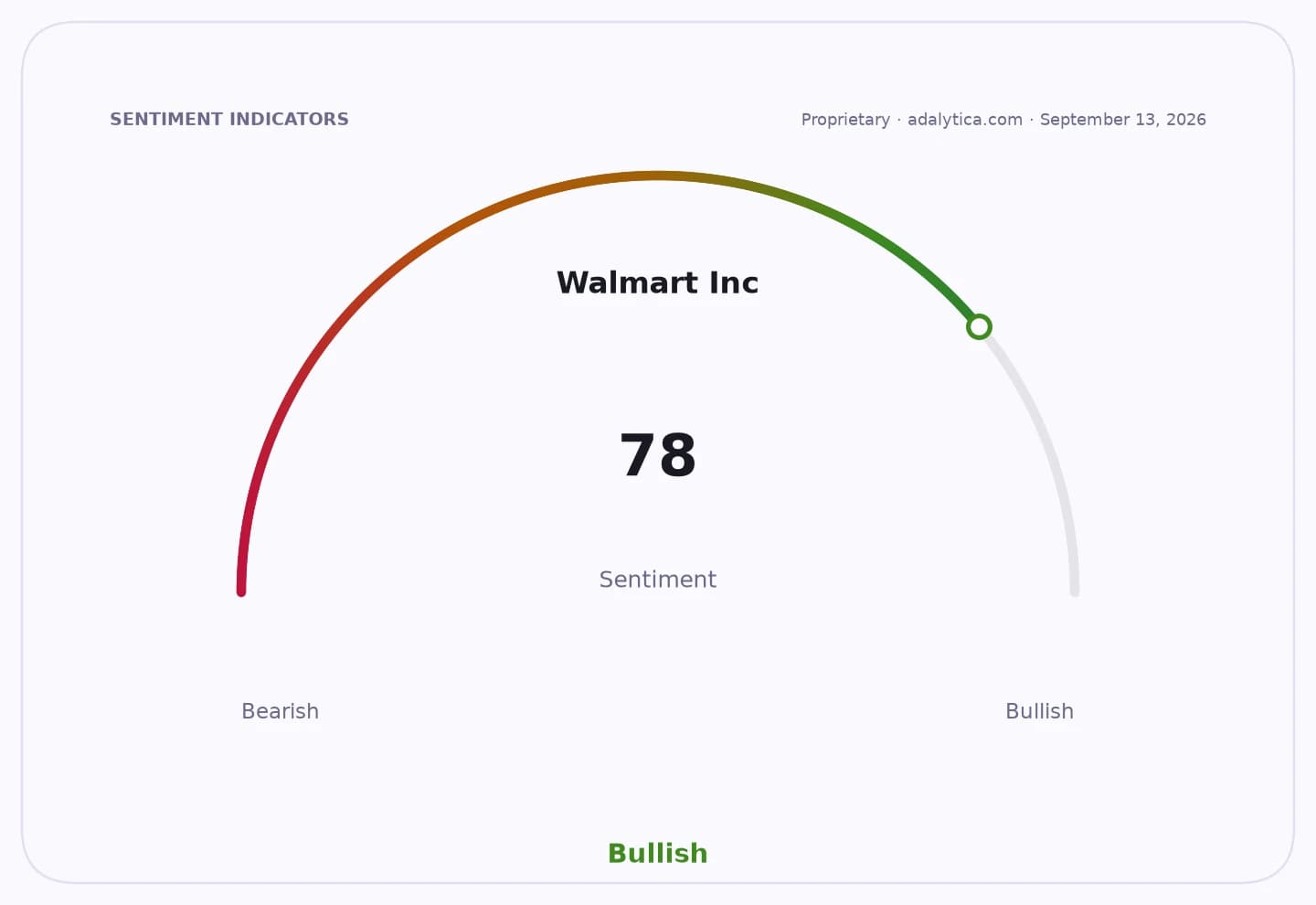
For Walmart, the opportunity is obvious. The company has been leaning harder into ecommerce, and its 10-Q showed U.S. comparable sales rising 3.3% in the latest quarter, helped by transactions and average ticket. Better seller tooling can expand assortment without Walmart having to carry all the inventory risk itself, while still supporting the retailer’s push for more digital share. The stock has also been behaving like a momentum name again, with the shares at $107.15, above the 50-day moving average of $110.14 and well below the 200-day average of $118.21 after a sharp pullback and rebound, suggesting investors are still debating how much growth is already priced in.
The more interesting second-order effect is what this means for the broader ecommerce stack. TikTok Shop is becoming a serious conversion engine for consumer brands, and Walmart Marketplace is one of the clearest beneficiaries of alternative demand channels as merchants look to reduce dependence on Amazon. That creates a new class of infrastructure demand: product feeds, inventory synchronization, shipping intelligence and marketplace optimization. Those are the toll roads in the online retail economy, and they tend to compound quietly while the flashy storefronts get the attention.
Shopify is the other name investors should keep front and center. Its merchant solutions business still dominates revenue at 77% of the total, which is exactly why any expansion in marketplace listing and fulfillment tooling can matter over time: more commerce flowing through merchants increases the need for software that keeps all channels connected. Yet the stock has been hit hard, falling to $128.79, with the 50-day moving average at $135.14 and the 200-day at $130.99, a setup that suggests the market may be underestimating how much value sits in the connective tissue of multichannel commerce rather than in any single storefront.
The macro backdrop also helps. Adalytica’s consumer spending sentiment is at 100, or “Extreme Greed,” even as broader S&P 500 trade signals sit in “Extreme Fear,” a mix that usually rewards companies exposed to resilient consumer demand and punished valuations in the software-to-retail supply chain. In that kind of split tape, the market tends to overpay for obvious consumer names and underprice the picks-and-shovels that enable faster fulfillment and wider channel reach.
My thesis is that this pilot is a small headline with a large implication: ecommerce is becoming more modular, more marketplace-driven and more dependent on software that can keep sellers visible and deliveries reliable across channels. That is bullish for Walmart’s digital ecosystem, for Shopify’s merchant layer and for any platform that helps brands list once and sell everywhere. If this pilot scales, the real upside will not come from a single new channel — it will come from the growing value of the infrastructure that makes every channel work.
For investors, the actionable takeaway is clear: own the enablers of multichannel commerce, not just the retailers chasing it. Walmart is a quality compounding story if it can keep turning traffic into omnichannel profit, while Shopify remains the higher-beta lever on the infrastructure buildout. The market is still treating marketplace tooling like plumbing; I believe it is becoming the profit engine.
| Entity | Gains | Losses |
|---|---|---|
| Walmart | ▲More marketplace assortment | ▼Less platform friction |
| TikTok Shop sellers | ▲Wider reach | ▼Manual listing burden |
| Shopify | ▲More merchant demand | ▼Slower growth scare |
| Amazon | ▲New commerce pressure | ▼Share of wallet risk |