Wärtsilä Gains From AI Data Center Power Demand
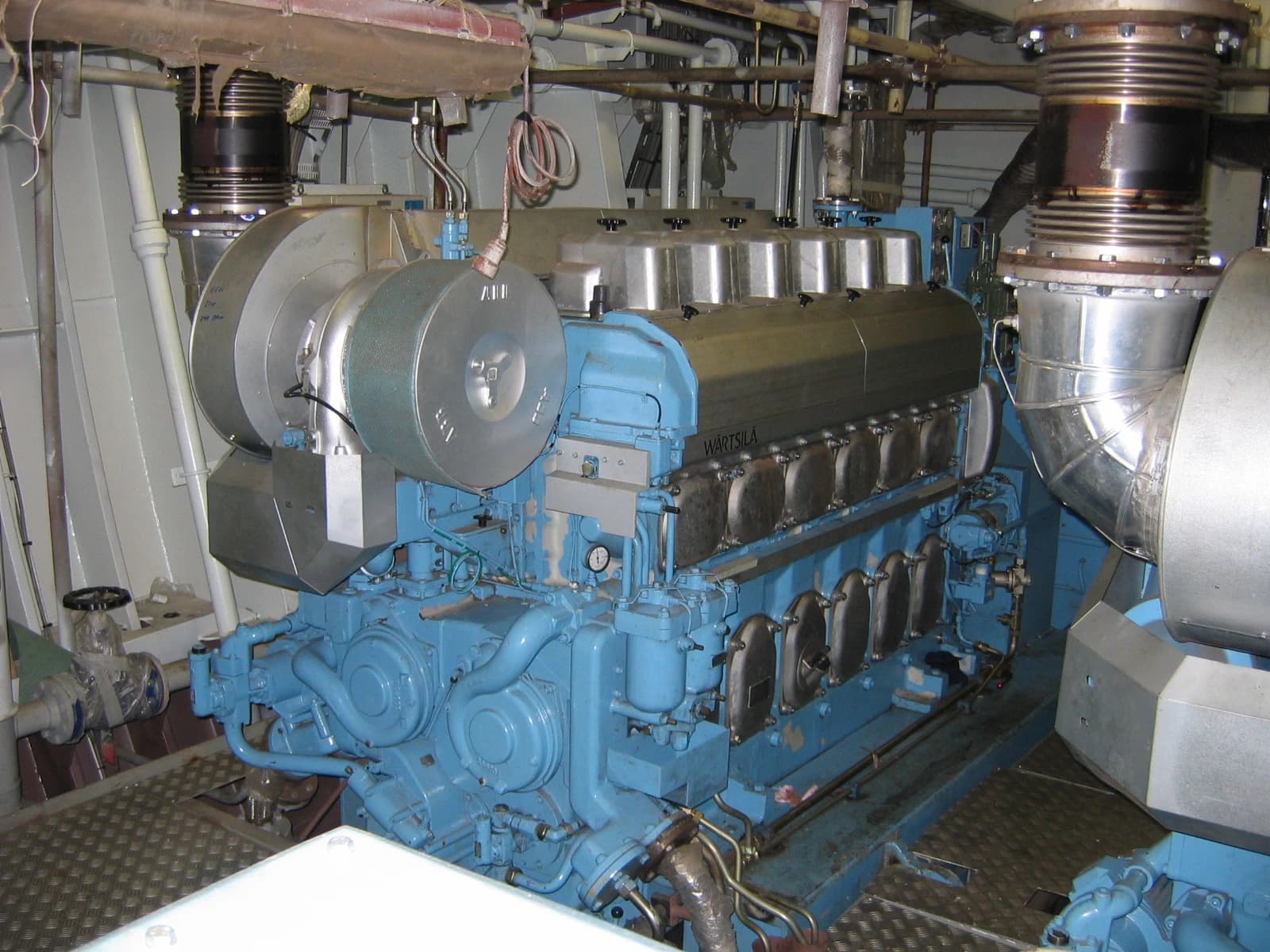
Wärtsilä’s move from marine engines into data-center backup power is emerging as the kind of second-order AI trade investors still underestimate, as the global buildout of power-hungry computing clusters collides with grid bottlenecks and forcing developers to look for fast, dispatchable generation.
That matters because AI infrastructure is no longer just a chip story. It is a power story, and power is becoming the scarcest input in the data-center economy. Microsoft’s own filing says it faces electricity constraints, supply shortages and delays in securing critical hardware for datacenters, while Amazon has warned of risks in operating its data-center network. When the biggest cloud operators are constrained by energy and connections, the beneficiaries are not only chipmakers and server vendors but also suppliers of engines, turbines, controls and backup systems that can be deployed quickly.
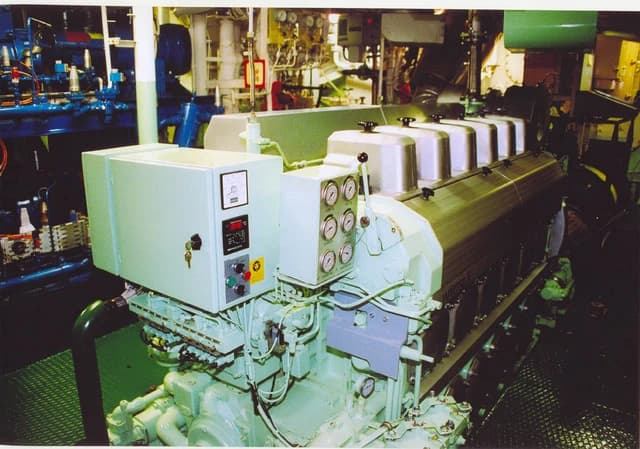
Wärtsilä fits neatly into that gap. The Finnish group has built a reputation in marine propulsion and flexible power, but the AI buildout is turning those capabilities into a growth lever. Data centers need highly reliable backup generation and, in many cases, on-site or near-site power that can bridge long lead times for grid upgrades. Wärtsilä’s engines can be part of that solution, especially in markets where utilities cannot keep pace with demand. In other words, the company is becoming a picks-and-shovels play on AI capex, not just a cyclical industrial stock.
The market has started to recognize the shift. Wärtsilä shares have climbed from 27.58 euros on Nov. 20 to 29.69 euros on Aug. 14, after a run that briefly pushed the stock above 39 euros in April. The technical picture has cooled from overbought levels, with the relative strength index now near 37 and the stock trading just under its 50-day moving average, suggesting the AI theme has not vanished — it has simply reset. For investors, that is often where the better entry points appear if the fundamental demand is still accelerating.
The broader setup is hard to ignore. AI data-center expansion is gathering pace globally, from sovereign projects and new financing rounds to faster build schedules in major markets. At the same time, the industry’s sustainability problem is getting louder, with local resistance already surfacing in Seoul and other cities where residents do not want energy-intensive facilities next door. That pushes developers toward distributed and flexible power solutions — exactly the niche where Wärtsilä can win work.
Microsoft’s stock, meanwhile, has surged back toward $500, underscoring how capital is still flooding into AI despite the infrastructure headaches. But the more interesting opportunity may be in the less obvious names that monetize every extra megawatt the hyperscalers need. Wärtsilä is one of them.
If the market continues to price AI as a pure semiconductor trade, it is missing the infrastructure bottleneck that will determine who really captures the spending. I believe Wärtsilä and other electrical and power-equipment suppliers remain early-stage beneficiaries of a multi-year capex cycle. For investors looking for asymmetric exposure to AI infrastructure, this is the kind of overlooked industrial where the next leg of upside can still begin.
| Entity | Gains | Losses |
|---|---|---|
| Wärtsilä | ▲AI backup-power demand | ▼Old marine-only valuation |
| Hyperscalers | ▲Faster power deployment | ▼Grid delays |
| Utilities | ▲Higher infrastructure spending | ▼Capacity strain |
| Local communities | ▲Limited direct gains | ▼Noise and energy burden |