Water scarcity turns into geopolitical risk
Water scarcity is moving from a development problem to a strategic risk, reshaping conflicts from the Himalayas to the Gulf and the Horn of Africa as governments treat rivers, dams and desalination plants as critical infrastructure and legitimate military targets.
That shift matters economically because unreliable water supply hits power generation, farming, industry and urban stability at once. It also raises the cost of defense, insurance and infrastructure, while making already fragile states more vulnerable to local unrest and cross-border escalation. In the Gulf, where desalination is the main source of drinking water, even the threat of attack can rattle cities that depend on continuous supply. In Africa and South Asia, the pressure is slower but broader: water stress can cut crop yields, strain electricity systems and deepen disputes over upstream control.
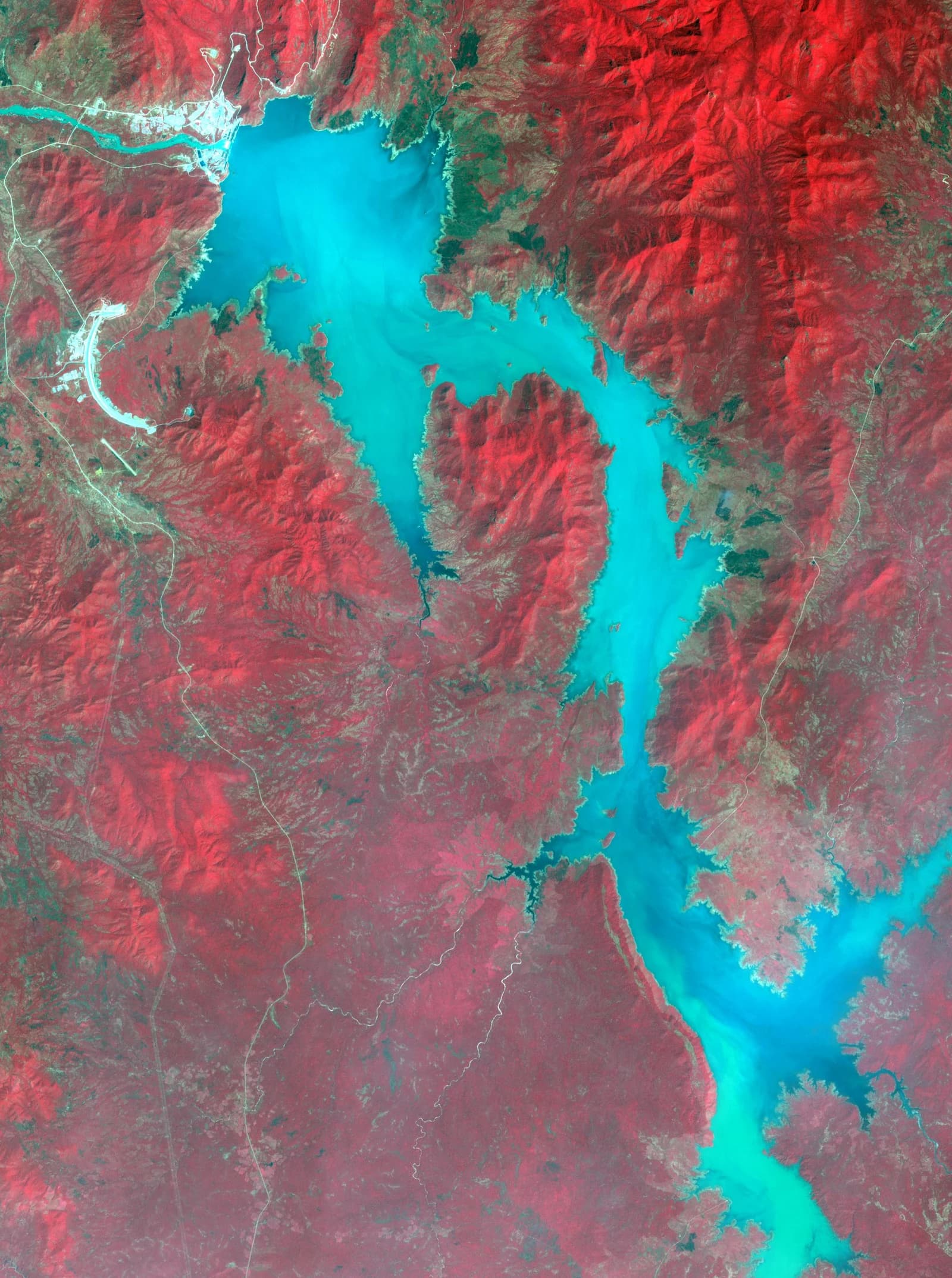
The pattern is already visible across several of the world’s most exposed flashpoints. In the China-India relationship, dams and hydropower projects upstream in China can reduce flows into downstream Indian states that depend on rivers for agriculture and food security. In Africa, the Grand Ethiopian Renaissance Dam remains a long-running source of friction with Egypt because Nile flows are central not only to drinking water but to farming and national energy planning. In the Middle East, Iraq, Syria and the Israeli-Palestinian conflict all show how water access can be used as leverage in war and occupation.
The most immediate escalation risk, though, is in the Gulf, where Iran has reportedly targeted desalination facilities in Saudi Arabia and the United Arab Emirates in recent months. Unlike oil terminals, which can often be rerouted or repaired with limited immediate effect on households, water plants sit at the base of urban survival. They are hard to replace quickly, and their disruption can force emergency rationing, power stress and public disorder. That makes them attractive coercive targets in asymmetric conflict and explains why the mere threat of attacks has had a destabilizing effect.
For investors, the implications are spreading well beyond defense contractors. Water infrastructure is becoming a more important theme for utilities, industrial technology groups, engineering firms and insurers, while also increasing the strategic premium on assets tied to desalination, leak detection, filtration and grid resilience. Agricultural producers, metals miners and semiconductor manufacturers also face higher long-run risk because they are among the most water-intensive sectors. In contrast, companies exposed to regions with chronic scarcity may face higher capex, higher operating costs and more political intervention.
The market backdrop reinforces that investors are starting to price this as a structural theme rather than a one-off humanitarian issue. Shares of American Water Works and Global Water Resources have both held up better than many defensive names, with American Water Works trading near $140, above its 200-day moving average, while Global Water Resources has recovered from earlier weakness and remains above both its 50-day and 200-day averages. That does not mean water stocks are immune to broader risk aversion, but it does suggest capital is looking for exposure to essential services and infrastructure with pricing power.
The broader narrative is that climate stress is turning water into a frontier of conflict in the same way oil once defined geopolitics. The difference is that water cannot be stockpiled at scale, substituted easily or imported cheaply into inland regions. As climate change worsens supply volatility, disputes over river basins, aquifers and desalination networks are likely to become more frequent, more local and harder to resolve under international law, especially since major powers such as the US and China are not bound by some of the key treaties governing transboundary water use.
For policymakers, that means water infrastructure will increasingly be treated like refineries and pipelines: protected, hardened and potentially militarized. For investors, the key question is no longer whether water scarcity matters, but which regions and assets will absorb the cost of adapting to it.
| Entity | Gains | Losses |
|---|---|---|
| Water infrastructure operators | ▲More demand for resilience spending | ▼Higher security and capex costs |
| Desalination-dependent Gulf states | ▲Alternative supply source | ▼Exposure to sabotage risk |
| Upstream river powers | ▲More leverage over neighbors | ▼Greater diplomatic scrutiny |
| Downstream farmers and cities | ▲None | ▼Reduced flows and supply stress |